



India's Ambitious Leap to the Morning Star
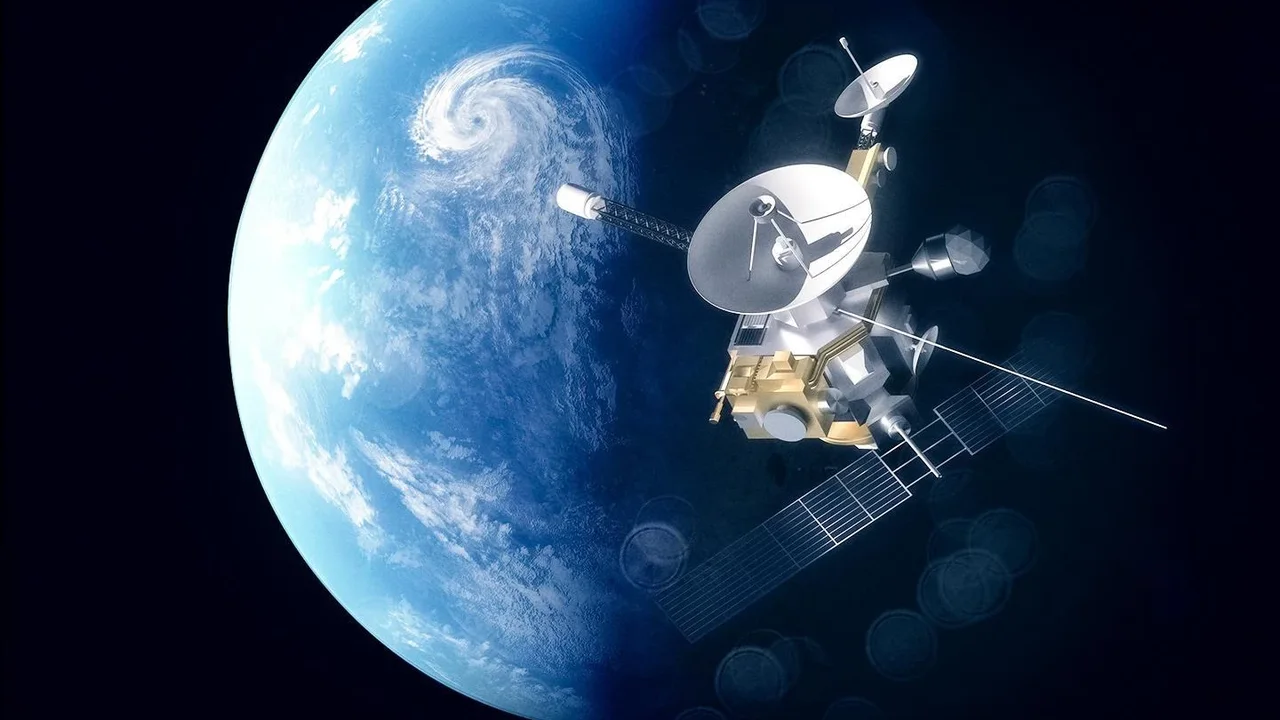
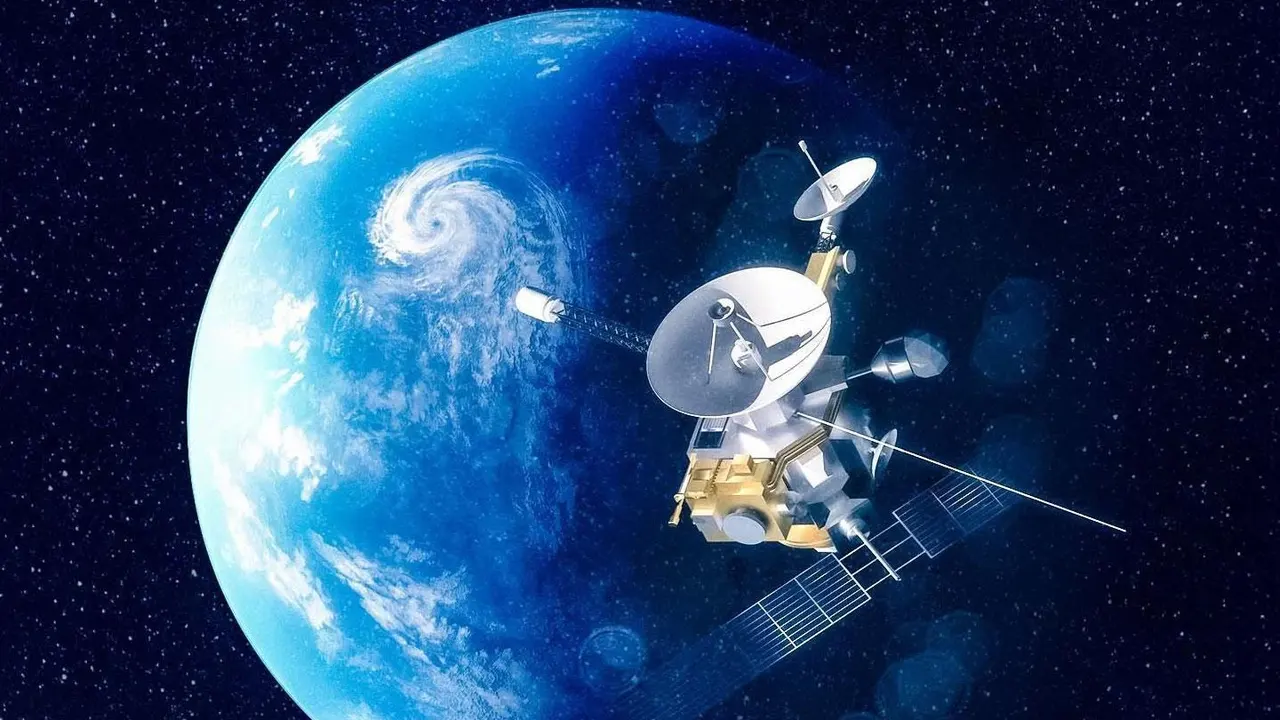
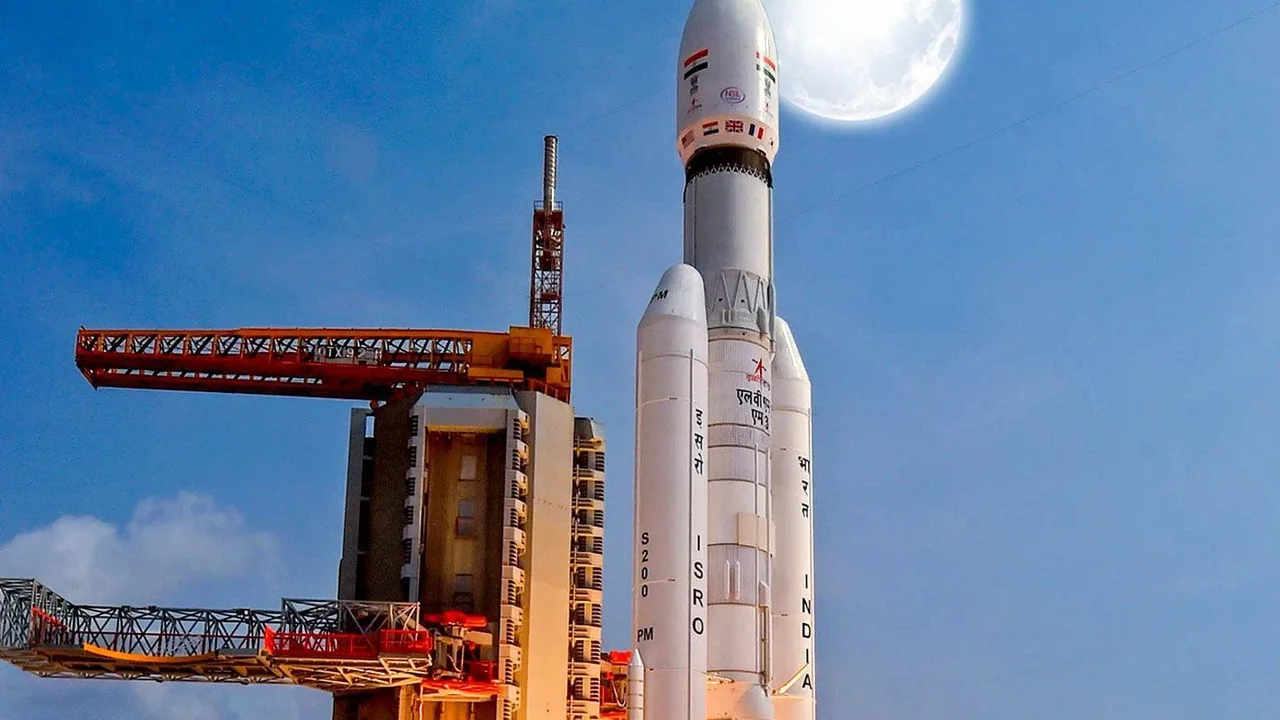
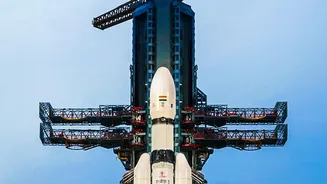
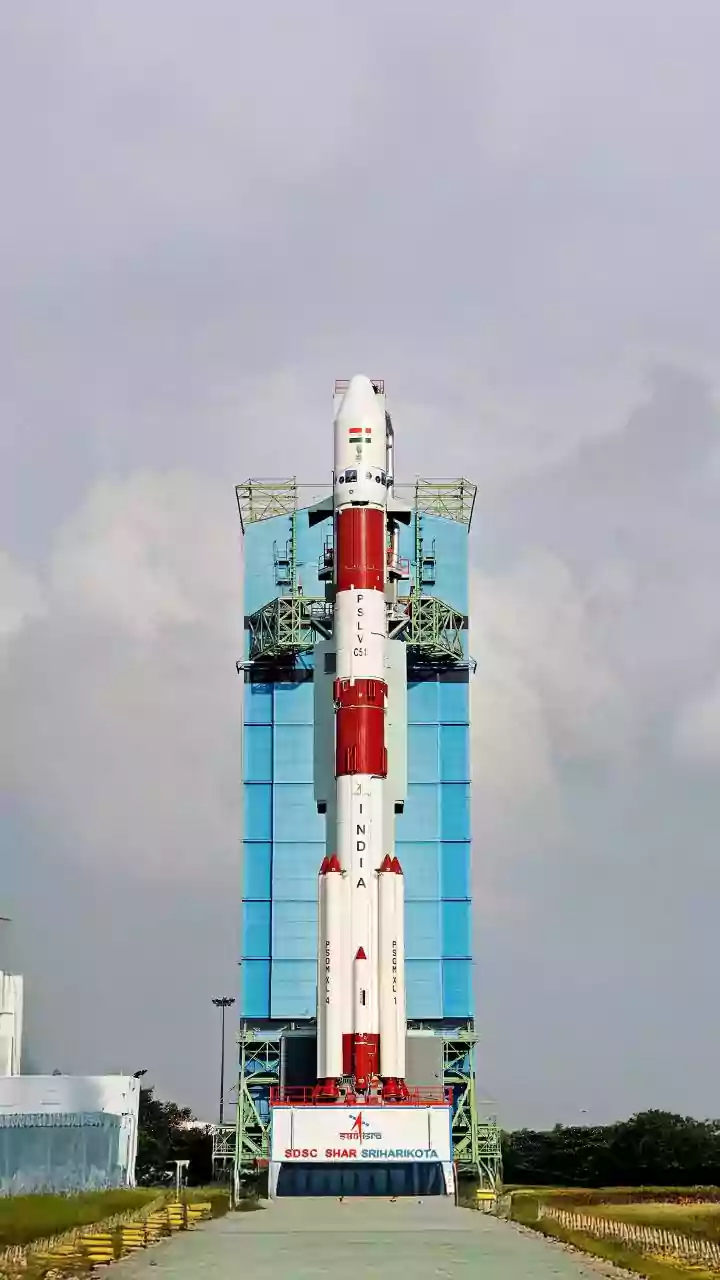
Following the historic successes of its Mars and Moon missions, the Indian Space Research Organisation (ISRO) is setting its sights on our other planetary neighbour: Venus. The planned Venus Orbiter Mission, popularly known as Shukrayaan-1, represents
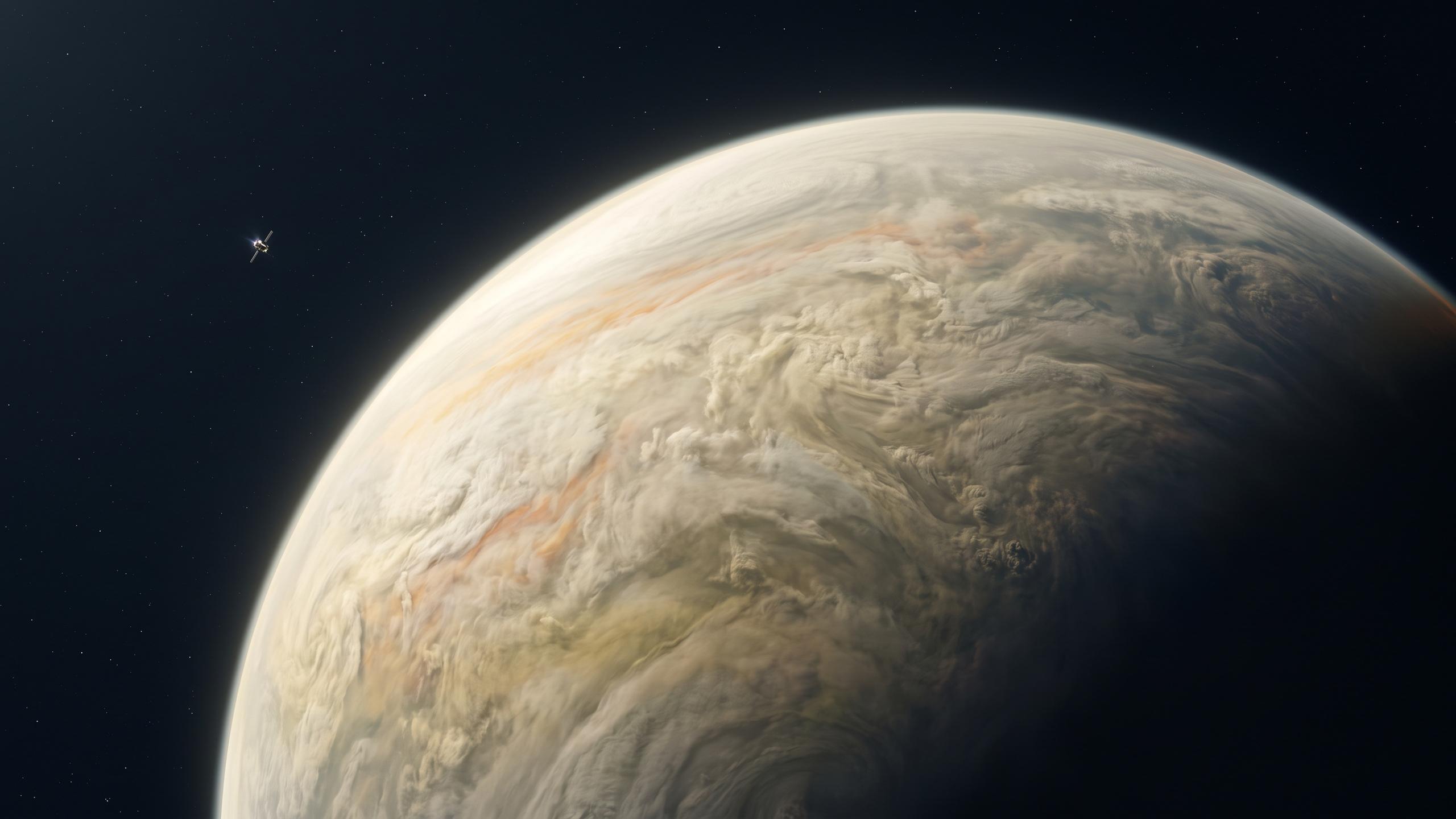
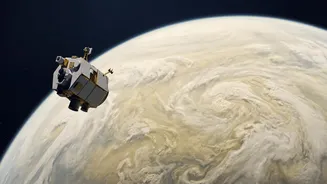
India's first dedicated mission to the second planet from the Sun. This ambitious project aims to send a spacecraft into an elliptical orbit around Venus, equipped with a suite of scientific instruments designed to peer beneath its notoriously thick cloud cover and study its hostile environment. The primary objectives include mapping the planet’s surface and subsurface, understanding its geological processes, and, most critically, analysing the complex dynamics and chemistry of its atmosphere.
A Hellish World Wrapped in Mystery
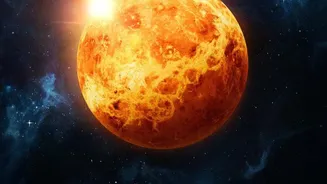
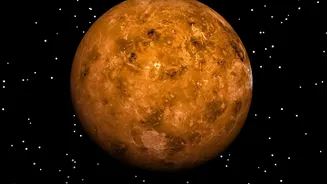
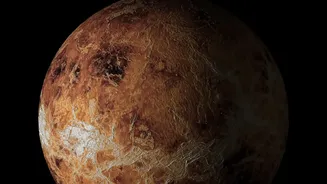
To understand why the clouds are so important, one must first appreciate how extreme Venus is. Its surface temperature is a blistering 467°C, hot enough to melt lead, and the atmospheric pressure is over 90 times that of Earth's. The planet is perpetually shrouded in opaque clouds made not of water, but of corrosive sulfuric acid. These clouds are so thick they prevent direct visual observation of the surface, which is why early knowledge of Venus's topography came exclusively from radar imaging. But within these acidic clouds lies a century-old puzzle: mysterious dark patches that absorb huge amounts of ultraviolet light. Scientists are yet to identify the exact chemical, nicknamed the 'unknown absorber', that is responsible for this phenomenon, which plays a major role in driving the planet’s ferocious upper-atmosphere winds.
The Search for Answers in the Clouds
The chemical reactions happening within Venus's atmosphere are a scientific frontier. For instance, scientists are puzzled by how the sulfuric acid clouds are sustained, with many believing active volcanism must be replenishing the key chemicals. ISRO's Shukrayaan mission aims to investigate these atmospheric processes in detail. By studying the composition and movement of the clouds, scientists hope to solve the mystery of the 'unknown absorber' and understand the chemical cycles that define Venus. There's also the tantalising, though heavily debated, question of habitability. While the surface is inhospitable, a layer in the atmosphere about 50 km high has temperatures and pressures similar to Earth's surface, leading some to speculate about the possibility of microbial life. The controversial detection of phosphine gas, a potential biosignature, in 2020 has only deepened this intrigue.
Venus: A Cautionary Tale for Earth
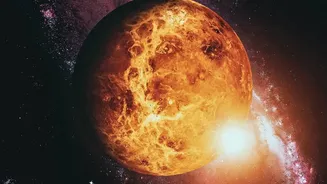
Perhaps the most essential reason for studying Venus is to better understand our own planet. Venus is a dramatic lesson in what happens when a greenhouse effect spirals out of control. It is believed that Venus may have once had oceans and a climate similar to Earth's. However, less than a billion years ago, a runaway greenhouse event occurred, trapping immense heat, evaporating its oceans, and turning the planet into the furnace it is today. By studying the processes that led to this climate catastrophe on our sister planet, scientists can vastly improve models for Earth's own climate. Venus serves as a natural laboratory for understanding how planetary climates evolve and what tipping points can lead to irreversible change, offering a stark warning from our cosmic neighbour.
A Strategic Step for Indian Science
Beyond the pure science, the Shukrayaan mission is a major strategic step for India. It positions ISRO among an elite group of space agencies, including NASA and the European Space Agency (ESA), that are actively targeting Venus for exploration. Successfully operating a mission in such a harsh environment showcases advanced technological capability, from designing resilient spacecraft components to developing sophisticated instruments that can pierce the acid clouds. This mission will not only provide the global scientific community with invaluable data but also enhance India's stature as a leader in cost-effective interplanetary exploration. The insights gained will contribute to a global effort to understand how Earth-like planets form and what makes our own world uniquely habitable.