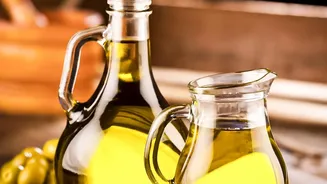







The Pinch at the Kitchen Table
For millions of Indian households, the period from September to November is a time of celebration, family gatherings, and, of course, food. From crispy samosas and pakoras to syrupy gulab jamuns, a generous amount of cooking oil is essential. This year,
however, shoppers are feeling a distinct pinch. Prices for vegetable oils have surged by nearly 20% over the last year, a development that is turning a staple ingredient into a significant household expense. This isn't just a minor fluctuation; it's a sustained increase that is directly impacting kitchen budgets just when demand is at its peak. The conversation is shifting from what to cook to how much it will cost, with edible oil at the center of the discussion.
A Global and Local Cocktail of Causes
So, what is behind this sticker shock? The reasons are a complex mix of international and domestic pressures. India is the world's largest importer of vegetable oils, sourcing nearly two-thirds of its demand from other countries. This deep reliance makes consumers in Mumbai vulnerable to a poor soybean harvest in Argentina or a policy change in Malaysia. Recent global events, including supply disruptions from the Black Sea region and unpredictable weather patterns linked to El Niño, have tightened global supplies and pushed prices upward. Adding to the pressure, major palm oil producers like Indonesia are diverting more of their stock to produce biodiesel, shrinking the amount available for food exports. Back home, the government walks a tightrope, trying to balance consumer relief with farmer interests. While import duties are a tool to manage prices, their effects can be complex and are not always a quick fix.
Our Festive Favourites Feel the Squeeze
The abstract world of import duties and global supply chains has a very real impact on the festive platter. The cost of making every puri, mathri, and ladoo goes up when the primary medium for cooking them becomes more expensive. This forces families into difficult choices. Do they absorb the higher cost, potentially cutting back on other festive spending? Do they make fewer fried items, or smaller batches? Or do they look for alternatives? For many, the joy of preparing and sharing these traditional foods is a core part of the celebration, and having to compromise due to cost can dampen the festive spirit. The price surge affects not just households but also small restaurants and sweet shops who are struggling to manage their ingredient costs without alienating customers.
Smart Swaps and Savvy Shopping
Indian households are known for their resourcefulness, and many are already adapting to the new reality. Some families are shifting their purchasing habits, opting for smaller packs of oil to manage weekly budgets. Others are exploring different types of oils, comparing prices between mustard, sunflower, soybean, and palm oil to find the most economical option for their needs. There's also a renewed conversation around cooking methods, with some consciously choosing to bake or air-fry certain items instead of deep-frying to reduce oil consumption. This trend is not just about saving money; it's also aligning with a broader health consciousness. Even so, with overall edible oil consumption in India being quite high, these individual adjustments are part of a larger national challenge to balance tradition, taste, and affordability.
An Eye on Government Action
As the festive season gets into full swing, all eyes are on potential government interventions. Reports suggest that policymakers are considering another cut in vegetable oil import taxes to help cool down retail prices. The challenge is to provide relief to consumers without negatively impacting domestic oilseed farmers, who the government is encouraging to increase production to reduce India's long-term import dependence. A previous duty cut in May 2025 did not fully translate to lower consumer prices, as global suppliers absorbed some of the benefit. Officials are therefore reportedly considering a more modest 5% cut this time around, hoping to strike a delicate balance. For now, families continue to stock up for the festivities, with August imports of edible oils hitting an 11-month high as refiners prepared for the seasonal demand surge.