


The Rise of Mindful Mixology
In recent years, the art of crafting cocktails at home has evolved dramatically. Gone are the days of simply mixing a spirit with a sugary soda. Today’s home bartender is more discerning, seeking complex flavours, high-quality ingredients, and healthier
alternatives that don't compromise on taste. This shift towards mindful drinking has sparked a search for ingredients that can deliver depth and aroma without relying on processed sugars. People want drinks that are not only delicious but also align with a wellness-conscious lifestyle. This has led to a rediscovery of natural botanicals, herbs, and, most notably, teas as foundational elements in modern mixology. By providing intricate flavour profiles, teas allow for the creation of sophisticated drinks that are naturally lower in sugar.
Discovering the Blue Mountain Brew
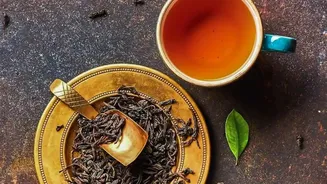
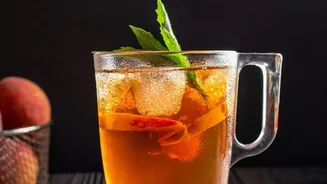
While Darjeeling and Assam teas often dominate the conversation in India, Nilgiri tea, grown in the Blue Mountains of the Western Ghats, is stepping into the limelight. Known for its vibrant aroma and remarkably smooth flavour, Nilgiri tea is less tannic and bitter than many other black teas. This quality makes it exceptionally versatile. It has a naturally clean, brisk, and fragrant profile, often with floral and fruity undertones. An important characteristic for mixology is that Nilgiri tea doesn’t turn cloudy when chilled, resulting in a visually appealing, crystal-clear beverage. Its inherent sweetness and lack of astringency mean it can be enjoyed without sugar, making it an ideal base for healthier drinks.
Why Nilgiri Shines in a Cocktail Glass
The unique properties of Nilgiri tea make it a perfect partner for a wide range of spirits. Its fragrant, non-astringent character complements the botanicals in gin, the smoothness of vodka, and the complexity of whisky without overpowering them. The tea's tannins can add structure and balance to a cocktail, cutting through excessive sweetness from other ingredients. Using brewed and chilled Nilgiri tea as a mixer not only adds flavour but also dilution, making it a great substitute for soda in a highball. Furthermore, by infusing spirits directly with Nilgiri leaves or creating a tea-based syrup, mixologists can layer in sophisticated notes that are difficult to achieve otherwise. This allows for rich, satisfying drinks where the natural flavour of the tea is the star, reducing the need for sugary liqueurs or juices.
How to Craft a Nilgiri Tea Syrup
Creating a tea-infused syrup is the easiest way to incorporate Nilgiri’s flavour into your drinks. It’s a versatile ingredient that can be used in everything from iced teas to complex cocktails. Start by brewing a strong concentrate of Nilgiri tea. Use about two tablespoons of loose-leaf tea for one cup of hot water (heated to just under boiling, around 95°C) and steep for four to five minutes. While the tea is still hot, strain out the leaves and dissolve an equal part of sugar into the liquid, stirring until it is completely clear. For a richer syrup that lasts longer, you can use a 2:1 ratio of sugar to tea. Let the syrup cool completely before bottling it. It can be stored in the refrigerator for several weeks. This syrup provides both sweetness and a deep tea aroma, ready to be mixed into your favourite creations.
Simple Nilgiri Drink Ideas
Ready to start experimenting? Here are two simple recipes to showcase the versatility of Nilgiri tea. For a classic cocktail with a twist, try a Nilgiri Gin Highball. Fill a tall glass with ice, add 60ml of your favourite gin, and top it with 120ml of chilled, unsweetened Nilgiri tea. Garnish with a lemon wedge to enhance the tea's natural citrus notes. For a refreshing non-alcoholic option, make a Nilgiri Palmer. Mix equal parts chilled Nilgiri tea and fresh lemonade over ice. The tea's smoothness balances the tartness of the lemonade perfectly. Both drinks are simple, flavourful, and highlight the unique character of this exceptional South Indian tea.