






A Shift in the Travel Calendar
For decades, the Indian travel calendar was predictable: frantic summer holidays and pleasant winter escapes. The monsoon, from roughly June to September, was considered the off-season — a time to cancel plans, not make them. But that perception is rapidly
changing. So-called “rain tourism” is now one of the country's fastest-growing travel periods. Hotels are reporting a significant rise in monsoon bookings, with some destinations seeing growth of up to tenfold compared to previous years. This isn't just about a few contrarian travellers; it's a structural shift. People are taking shorter, more frequent trips and are actively seeking out the unique experiences the rainy season offers. This has transformed the monsoon from a quiet shoulder season into a prime travel opportunity.
The Allure of a Rain-Washed World
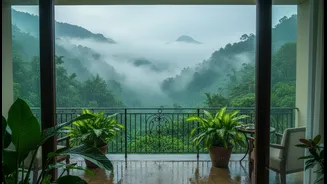
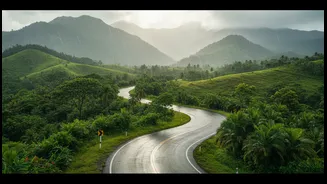
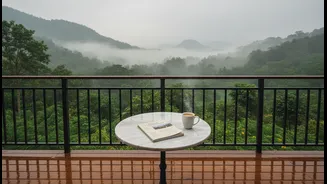
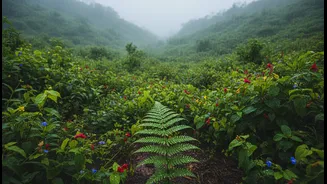
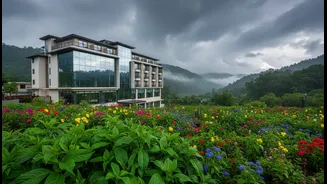
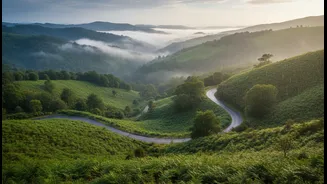
The appeal of monsoon travel is sensory. It’s the scent of wet earth, the sight of mist-covered hills, and the sound of overflowing waterfalls. Landscapes that were dry and barren just weeks before burst into life, cloaked in an almost impossibly vibrant green. Destinations across the country, from the Western Ghats to the hills of Rajasthan, reveal a different character. Lakes in Udaipur swell, coffee plantations in Coorg become lush and fragrant, and tea gardens in Munnar are shrouded in a romantic mist. For many, this season offers a quieter, more authentic side of India, away from the bustling crowds of peak tourist months. It's a chance to connect with nature on a deeper level, where the rain itself becomes part of the attraction.
The Practical Perks of an Off-Season Trip
Beyond the aesthetic charm, travelling during the monsoon comes with practical advantages. With fewer international and domestic tourists, popular monuments and attractions are significantly less crowded. This means more space to explore and the freedom to enjoy iconic sites without the usual queues. The season is also friendlier on the wallet. As it is traditionally the low season, airlines and luxury hotels often slash their rates, making premium experiences more accessible. This combination of lower costs and thinner crowds allows for a more relaxed and flexible travel style, where itineraries can be changed on a whim. Furthermore, the cool, humid climate is considered the best time for Ayurvedic treatments, as the body is believed to be more receptive to therapies.
India’s Premier Monsoon Destinations
Certain regions of India are particularly magical during the rains. The Western Ghats are a clear favourite, with hill stations like Lonavala, Mahabaleshwar, Coorg, and Munnar turning into green havens. These areas are famous for their cascading waterfalls, misty viewpoints, and scenic drives. In Kerala, the backwaters of Alleppey and the lush hills of Wayanad offer tranquil escapes. Even Rajasthan, known for its arid landscapes, becomes captivating. Udaipur's lakes fill up, lending the city a renewed romanticism. In the northeast, Cherrapunji in Meghalaya, one of the wettest places on Earth, showcases the power and beauty of the monsoon with its living root bridges and dramatic waterfalls. These destinations are no longer seen as places to avoid during the rain but as spots that reach their scenic peak because of it.
A More Mindful Way to Travel
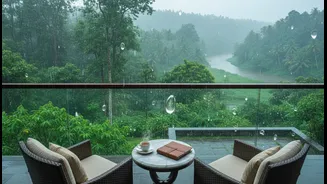
The rise of rain tourism also reflects a broader trend towards more mindful and sustainable travel. Instead of cramming activities into a sun-drenched schedule, monsoon travel encourages a slower pace. It's about enjoying a cup of chai while watching the downpour, engaging in indoor cultural activities like visiting museums, or indulging in wellness retreats. This shift is not only beneficial for travellers seeking a deeper connection with a place but also for the tourism industry, which can now rely on more consistent, year-round demand rather than just seasonal peaks. By embracing the rain, travellers are not just discovering a different side of India, but a different way of seeing the world.