







The Invisible Enemy: Why Humidity Is a Problem
During the monsoon, the relative humidity in India can surge to between 70% and 95%. This high moisture content in the air is the primary culprit behind accelerated food spoilage. Microorganisms like mould, bacteria, and yeast thrive in damp, warm conditions,
finding a perfect breeding ground on your food surfaces. This moisture not only encourages microbial growth but also speeds up enzymatic reactions that cause fruits and vegetables to ripen and decay faster. It changes the texture of dry goods, making them lose their crunch and freshness as they absorb water vapour from the environment.
Protecting Your Pantry: Dry Goods Under Threat
Your pantry is particularly vulnerable during the rainy season. Spices, flours, lentils, biscuits, and chips are all prone to the effects of humidity. Powdered masalas can form hard lumps, losing their aroma and flavour. Biscuits and chips absorb moisture and become stale almost overnight. To combat this, airtight containers are your best friends. Transfer all dry goods from their original packets into clean, completely dry glass jars or food-grade plastic containers with tight-fitting lids. Avoid storing them near the stove or sink, where steam and moisture are prevalent. A small but crucial habit is to always use a dry spoon when scooping out spices or flour, as even a drop of water can spoil the entire container.
The Challenge with Fresh Produce
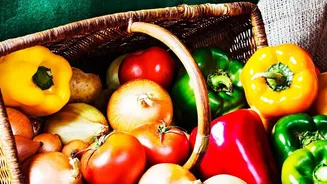
Fruits and vegetables have a high water content, making them susceptible to rot and fungal growth in humid weather. Leafy greens can wilt and turn slimy, while other vegetables may develop black spots or mould. The best strategy is to buy fresh produce in smaller quantities more frequently. Before storing, wash them thoroughly; a rinse with water mixed with a little vinegar can help remove microbes. The most important step is to dry them completely before refrigeration. Wrapping leafy greens in paper towels before placing them in a bag can absorb excess moisture and keep them crisp for longer.
Making Your Refrigerator Work Smarter
While the refrigerator slows down spoilage, it isn't a magic solution during the monsoon. Overcrowding the fridge can restrict air circulation, creating pockets of humidity. Putting hot leftovers directly inside raises the internal temperature and moisture level, forcing the appliance to work harder and creating condensation. Allow cooked food to cool down completely before storing it in the fridge. Regularly clean your fridge and its drip tray to prevent mould growth. Proper organisation, like keeping vegetables in designated crisper drawers and using airtight containers for leftovers, helps maintain a stable, low-humidity environment.
Smart Kitchen Habits for the Season
Beyond storage, a few adjustments to your kitchen routine can make a big difference. Ensure your kitchen is well-ventilated by using an exhaust fan to expel steam from cooking. Clean kitchen surfaces, including countertops and cabinets, more frequently with a disinfectant to keep bacterial growth in check. Some traditional methods also work wonders. Adding a few dried neem leaves or bay leaves to containers of rice and grains can act as a natural insect and moisture deterrent. Roasting whole spices lightly before storing them can remove any hidden moisture and enhance their shelf life. Ultimately, being mindful of the damp conditions and taking these extra precautions can help keep your food safe and your kitchen hygienic throughout the rainy season.