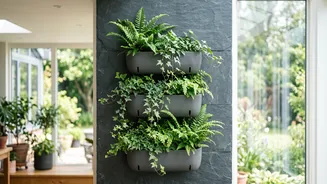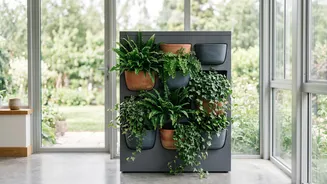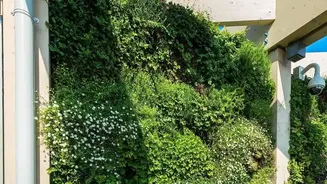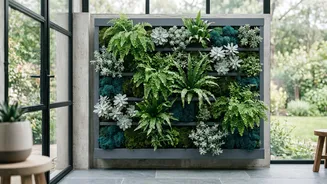




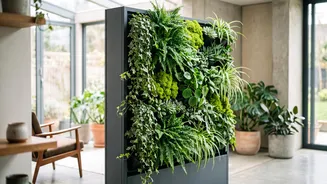
A vertical garden can transform a barren wall into a lush, living masterpiece. But the initial enthusiasm of planting can lead to a common pitfall: overcrowding. This guide will help you create a balanced and thriving vertical garden.
Why Overcrowding is a Problem
When plants are packed
too tightly, they are forced to compete for essential resources like sunlight, water, and nutrients. This intense competition can lead to stunted growth, making plants more vulnerable to pests and diseases. Furthermore, a lack of adequate air circulation in a dense wall creates a humid environment, which is an ideal breeding ground for fungus and mildew. What begins as a vision of a lush paradise can quickly become a struggle for survival, with stronger plants shadowing and starving out their neighbours.
Start with Smart Plant Selection
The foundation of a successful, uncrowded vertical garden is choosing the right plants. Not all plants are suited for the limited root space of a vertical planter. Opt for varieties with shallow or fibrous root systems, such as lettuces, spinach, and most herbs. Plants with large, deep taproots, like big tomato varieties or root vegetables, will quickly become root-bound and fail to thrive. Also, consider the plant's natural growth habit. Trailing plants like pothos or creeping thyme are excellent choices, as are compact, bushy plants. Avoid placing large, bushy plants at the top where they will block sunlight from reaching the plants below.
Give Your Plants Room to Grow
It can be tempting to fill every available slot for an instantly full look, but this is a primary cause of future overcrowding. Research the mature size of each plant and space them accordingly. A good rule is to allow enough space so that mature plants will just touch, allowing for proper airflow. Some vertical garden suppliers provide recommended spacing layouts, such as a 'flush look' with tighter spacing for smaller plants, or a 'statement' layout with wider spacing for larger, individual specimens. Thinking of spacing not as empty spots but as a 'budget' you allocate for light and air is a key to long-term success.
The Importance of Pruning
Regular maintenance, especially pruning, is essential to prevent a vertical garden from becoming an overgrown tangle. Pruning is not just for aesthetics; it improves air circulation, allows light to penetrate to all plants, and encourages healthy, new growth. Periodically trim back plants that are starting to encroach on their neighbours. This can involve 'thinning' to open up the centre of a plant or 'shearing' to maintain a desired shape. For edible gardens, regular harvesting of leaves from herbs and greens serves as a form of pruning that encourages more production. Aim to prune your wall one to two times a year, or more often as needed, to keep everything in balance.
Container and Soil Considerations
The container system you choose plays a significant role in root health. Pockets or planters that are too small will accelerate rootbound conditions, where the roots circle the container and choke the plant. Ensure your system provides adequate soil volume for the plants you've chosen. The growing medium itself is also critical. Standard garden soil is too heavy and compacts easily, suffocating roots. Use a highquality, lightweight potting mix that contains materials like perlite to ensure good drainage and aeration. Because the soil volume is limited, nutrients can be depleted quickly, so plan on feeding your plants with a suitable liquid fertiliser every few weeks during the growing season.