


From the Heirloom Trunk to the Tote Bag
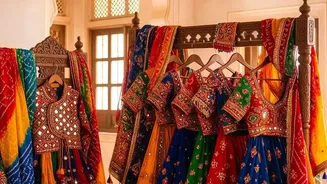
For generations, certain textiles were the stuff of ceremony. Kept carefully wrapped in muslin, these pieces—heavy with embroidery, gleaming with zari, or vibrant with block-prints—were reserved for moments of celebration. But today, that mindset is shifting.
The modern Indian consumer is increasingly choosing to celebrate heritage not just on special days, but every day. This change is driven by a desire for personal expression and a rejection of fast fashion's fleeting trends. Why save beauty for an occasion when it can bring joy to a regular Tuesday? A hand-embroidered clutch is no longer just for a wedding reception; it's adding a pop of colour to a work meeting. A colourful pair of juttis isn't just for a sangeet; it's for a coffee run. This shift is less about dressing down festive wear and more about elevating the everyday.
The New Artisanal Movement
Several factors are fuelling this transition. A new wave of contemporary Indian designers and brands is at the forefront, re-imagining traditional crafts for a modern audience. They are creating accessories that are both beautiful and practical, using age-old techniques to craft items like lightweight Kalamkari scarves, durable Ikat tote bags, and chic Banarasi silk headbands. These designers often work directly with artisan communities, ensuring that ancient skills are preserved while creating products that fit a contemporary lifestyle. Social media also plays a crucial role. Platforms like Instagram are visual feasts of inspiration, where influencers and everyday users showcase how to seamlessly blend a statement textile piece with a simple jeans-and-tee look. This digital exposure demystifies the process, making it feel accessible and inspiring for millions to experiment with their own style.
Sustainability Meets Style
At its core, this trend is also a powerful move towards sustainability. By choosing a well-made, handcrafted accessory, consumers are investing in quality over quantity. Handloom production has a significantly lower carbon footprint than its industrial counterpart, often using natural fibres and dyes. This 'less but better' philosophy resonates deeply with a growing number of people who are conscious of fashion's environmental impact. Repurposing a festive piece for daily wear extends its life, reduces waste, and honours the immense skill and time invested by the artisan who created it. It's a choice that feels both good and stylish, connecting the wearer to a story of craft, culture, and conscious consumption.
How to Weave Heritage into Your Day
Incorporating these beautiful accessories into your daily wardrobe is simpler than it seems. The key is balance. Let one handcrafted piece be the star of your outfit. Pair a vibrant, block-printed Bandhani scarf with a neutral-toned kurta or a classic white shirt to let the colours shine. A richly textured brocade or silk clutch can instantly elevate a simple dress for a dinner out. Don't be afraid to mix textures; the organic feel of a handwoven fabric pairs beautifully with the sleekness of denim or the softness of linen. You can also start small: a pair of hand-embroidered juttis, a beaded necklace, or a striking Ajrakh printed stole are all easy ways to begin experimenting. The goal is to make these pieces feel like a natural part of your personal style, not a costume.