



Why Fun Is the Secret to Fitness
We’ve all been there: starting a new fitness routine with great intentions, only to have our motivation fizzle out after a few weeks. Often, the problem isn't a lack of willpower, but a lack of enjoyment. Studies consistently show that intrinsic motivation—doing
an activity for the inherent pleasure it brings—is one of the strongest predictors of long-term exercise adherence. When you genuinely enjoy a workout, it stops feeling like a chore you have to endure and becomes a part of your life you look forward to. Research has found that motives related to enjoyment and competence are more closely linked to sticking with an exercise routine than goals focused on appearance or fitness alone. This is because joy releases mood-boosting endorphins, which reduces stress and creates a positive feedback loop, making you eager for your next session.
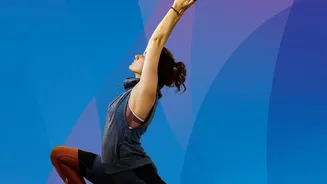
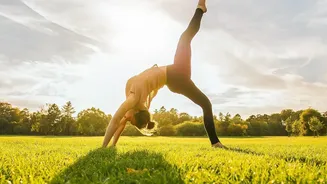
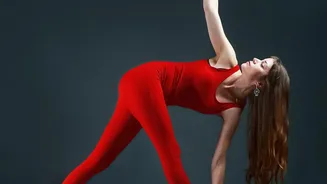
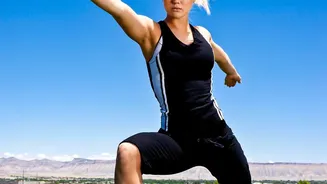
The Case for Yoga: Strength and Serenity
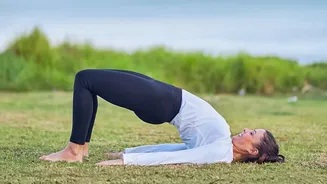
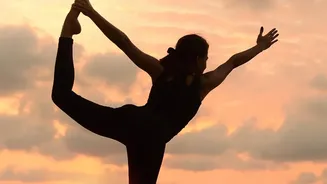
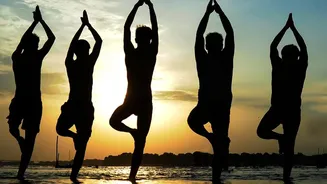
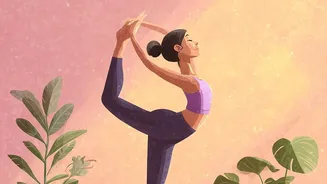
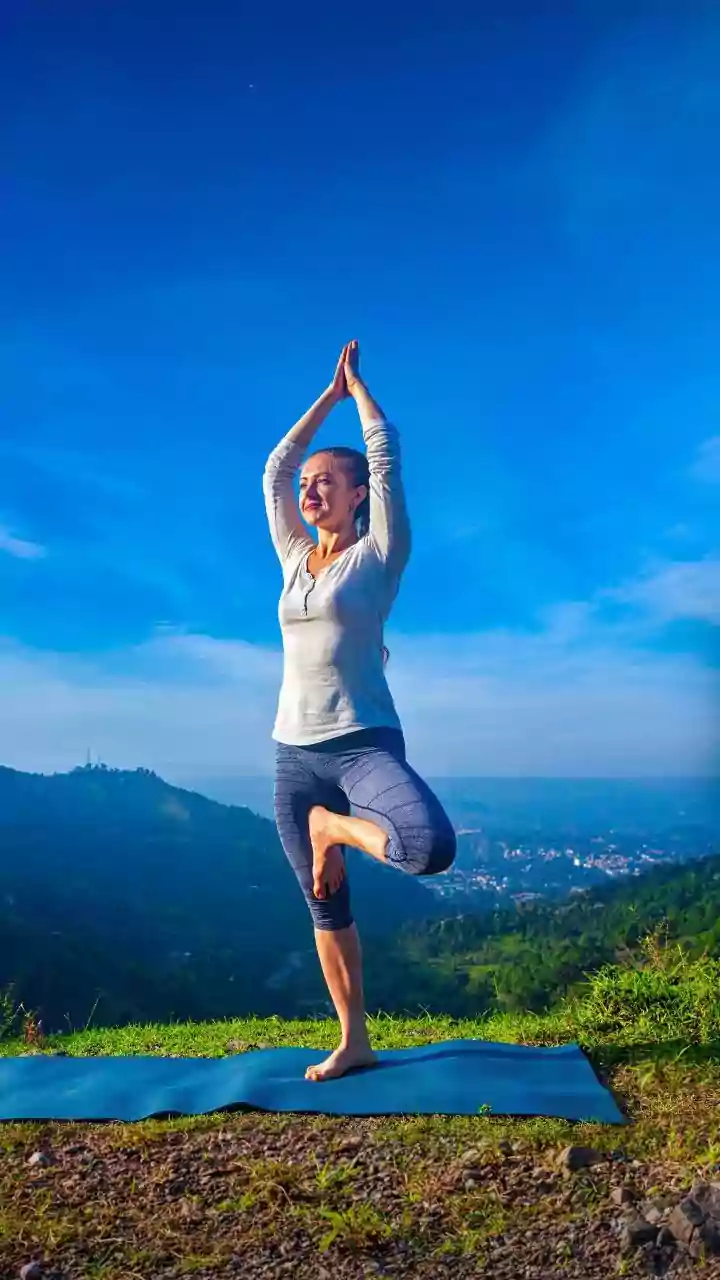
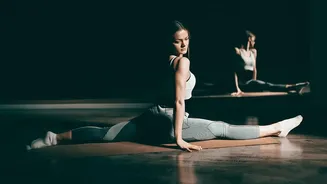
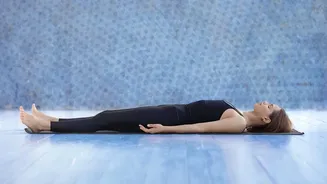
Yoga is an ancient practice that unites mind, body, and breath through a series of poses (asanas) and controlled breathing techniques. Its benefits are profound and wide-ranging. Physically, yoga excels at building strength, particularly in the core, and dramatically improving flexibility and balance. Many poses require you to support your own body weight, which strengthens muscles and promotes bone health. Mentally, yoga is a powerful tool for stress management. By focusing on the breath and body, it helps calm the nervous system, lower levels of the stress hormone cortisol, and can reduce symptoms of anxiety and depression. If your goal is to cultivate mindfulness, improve posture, and build a deep connection between your mind and body in a calm environment, yoga could be your ideal match.
The Case for Dance: Cardio and Connection
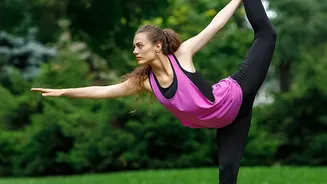
Dance is a powerful form of self-expression that doubles as a fantastic workout. Its primary advantage is cardiovascular health; activities like Zumba, salsa, or even high-energy contemporary dance get your heart rate up, improving endurance and burning calories effectively. But the benefits don't stop there. Dance is excellent for improving coordination, agility, and motor fitness. Remembering steps and routines also gives your brain a workout, boosting cognitive functions like memory and focus. Beyond the physical, dance is often a deeply social and joyous activity. Moving to music in a group setting can foster a sense of community, boost self-esteem, and release a rush of endorphins that creates a 'dancer's high', making it an incredible mood-lifter.
How Do You Choose?
Instead of asking 'Which is better?', ask yourself 'What do I need right now?'. Consider your personality and goals. Are you craving quiet introspection or energetic, social expression? Do you want a workout that feels like moving meditation or one that feels like a party? Yoga might be better for those seeking to de-stress and improve flexibility in a more solitary or peaceful setting. Dance might appeal more to those who are energised by music and community and want a high-intensity cardio workout. There's also no rule that says you have to pick just one. Many people find that yoga and dance complement each other perfectly—dance provides the cardio, while yoga offers restorative stretching, injury prevention, and mental balance.
Test-Drive Your Options
The best way to know what you'll enjoy is to try it. Don't commit to a year-long membership right away. Look for introductory offers, drop-in classes, or even free tutorials online to get a feel for both activities. Pay attention to how you feel not just during the class, but after. Do you feel energised and happy? Or drained and relieved it’s over? Consider the logistics, too. Is the studio conveniently located? Does the class time fit your schedule? Removing practical barriers makes it easier to stick with your choice. Ultimately, listen to your body and your sense of fun. The right activity for you is the one that makes you feel good and keeps you moving.