





From Dry Bulletins to Viral Reels
Not long ago, weather information in India primarily came from two sources: the official, jargon-heavy announcements from the India Meteorological Department (IMD) or the nightly news broadcast. These were formal, functional, and often a little dry. The IMD,
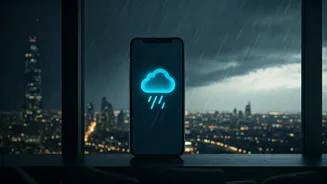
established in 1875, has long been the authoritative voice on everything from monsoon onset to cyclone trajectories, using a colour-coded system of green, yellow, orange, and red alerts to signify risk levels. Green means all is well, while red is a serious warning to “take action” due to a significant threat to life and property. But in the age of the algorithm, this traditional communication model is being disrupted. Today, that red alert might be communicated not through a government website, but via a beautifully designed Instagram story, a meme, or a fast-paced video set to trending music. This is weather information reimagined as lifestyle content: accessible, visually appealing, and, most importantly, shareable.
The Rise of the 'Weather-fluencer'
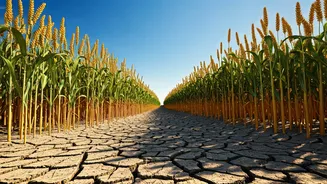
Driving this change is a new ecosystem of content creators. While official bodies like the IMD are increasingly using social media, WhatsApp, and SMS to disseminate warnings, a parallel world of independent weather trackers, amateur meteorologists, and news outlets is packaging this information for a digital-native audience. These 'weather-fluencers' translate complex meteorological data into relatable, often hyperlocal, content. They might create a reel explaining the impact of a heatwave on daily life or a post breaking down the science behind a viral claim about jamun trees predicting drought. Their success stems from their ability to build community and speak a language that resonates with younger audiences, who are more likely to get their news from social media feeds than from traditional sources. This has opened up a new frontier where content creation, driven by brand collaborations and ad revenue, intersects with public safety information.
The Upside: Reaching the Unreachable
The primary benefit of this trend is undeniable: reach. When information is engaging and easy to understand, it travels further and faster. A well-designed graphic or a clever video can capture the attention of people who would otherwise tune out a dry alert. This is particularly crucial in a country as vast and diverse as India, which faces a constant barrage of extreme weather, from intense heatwaves in the north to heavy monsoon rains and cyclones along its coasts. By adopting a more conversational and visually driven approach, creators and even official agencies can ensure critical warnings reach a wider, more diverse audience. The use of AI-powered, hyperlocal forecasts that can provide block-level predictions is also helping to make this information more personally relevant than ever before.
The Danger: When Style Trumps Substance
However, this new landscape is not without its perils. The biggest risk is the spread of misinformation. While many creators are responsible, the internet is also rife with clickbait artists who sensationalise forecasts for attention, promoting worst-case scenarios from single computer models regardless of how unlikely they are. In April 2026, for instance, the Kerala State Disaster Management Authority had to issue a public warning against fake heat alerts circulating on WhatsApp that claimed temperatures would hit 55°C and mobile phones could explode. Another issue is the potential for tone to obscure the message. A beautifully designed post about a cyclone might not adequately convey the life-or-death urgency of an official red alert. The algorithms that power social media also pose a problem, as they don't deliver content chronologically, meaning a time-sensitive warning could appear in a user's feed days too late.
Finding the Right Forecast
As official agencies and independent creators continue to navigate this new world, the responsibility also falls on the consumer. The IMD has made significant strides in strengthening its early warning systems, delivering district-level updates multiple times a day through a wide array of digital channels. For citizens, the key is to cultivate a healthy skepticism and cross-reference information. Does the source have meteorological expertise, or are they just good at graphic design? Are they sharing official IMD alerts or their own unverified predictions? Official warnings should always be verified through the IMD's website or official social media pages. Spreading fake information during a disaster situation is a punishable offense, underscoring the seriousness of sharing unvetted alerts.