






A Sun-Soaked Success Story
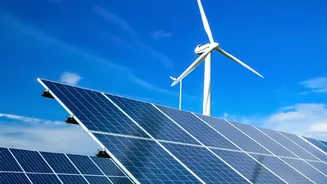
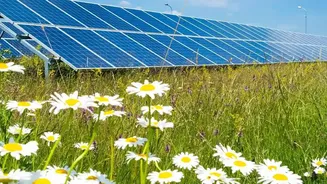
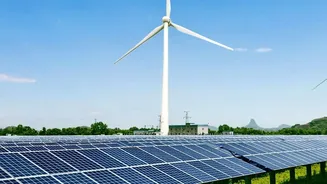
India's progress in solar energy has been nothing short of remarkable. The nation has rapidly expanded its installed solar capacity, becoming the world's third-largest producer of solar power. This boom is driven by ambitious government targets, including
a goal of achieving 500 GW of non-fossil fuel capacity by 2030, and a surge in large-scale projects like the Khavda solar park. With abundant sunshine for over 300 days a year, the country has immense potential to generate clean electricity, reduce its reliance on imported fossil fuels, and take a leading role in global climate action. This swift growth has put India on the map as a leader in the clean energy transition.
The Challenge of an Intermittent Sun
The fundamental problem with solar power is its intermittency—it only works when the sun is shining. Power generation peaks midday, often when demand is not at its highest, and drops to zero at night, precisely when residential electricity demand often surges. This mismatch between supply and demand creates what is known as the 'duck curve,' forcing grid operators to rapidly ramp up other power sources, like coal, to meet evening peak loads. This variability can strain the electricity grid, leading to instability. In some cases, solar power is deliberately 'curtailed' or wasted because the grid cannot handle the midday surge, even when there's high demand later in the day.
The Missing Piece: Energy Storage
The clear solution to solar's intermittency is energy storage. Battery Energy Storage Systems (BESS) act like giant rechargeable batteries for the grid. They capture excess solar power generated during sunny afternoons and discharge it during the evening peak or on cloudy days, effectively smoothing out the fluctuations. By storing energy, BESS can transform solar from a variable source into a reliable, 24/7 power supply. This not only enhances grid stability but also allows India to displace expensive and polluting peaker plants that currently fill the evening power gap. Various technologies exist, but lithium-ion batteries are currently the most common for grid-scale applications due to their falling costs and high efficiency.
The Hurdles on the Path to Storage
Despite being the obvious answer, widespread adoption of energy storage faces significant hurdles. The primary challenge has historically been cost. Although prices for battery storage have been falling dramatically in recent years, the upfront investment remains high. Furthermore, India is heavily reliant on imports for key components like lithium-ion cells, which creates supply chain vulnerabilities and adds to the cost. Building a domestic manufacturing ecosystem is a complex task that requires significant investment, technology transfer, and skilled labour. Without a robust local supply chain, scaling up storage to meet the country's massive needs will be difficult and expensive.
Policy and Progress on the Horizon
The Indian government recognizes these challenges and is actively working to create a favorable ecosystem for energy storage. Key initiatives like the Production-Linked Incentive (PLI) scheme aim to boost domestic manufacturing of Advanced Chemistry Cell (ACC) batteries by providing financial incentives to companies setting up factories in India. Additionally, the Viability Gap Funding (VGF) scheme helps make large-scale BESS projects financially attractive by subsidizing a portion of the capital cost. These policies, combined with mandates for energy storage obligations, are designed to lower costs, reduce import dependency, and accelerate the deployment of storage solutions across the country, paving the way for a more resilient and green power grid.