


The Philosophy of Eating for the Season
In India, the concept of eating according to the season, or 'Ritucharya' in Ayurveda, is an age-old tradition. The philosophy is simple: nature provides exactly what our bodies need to cope with the environmental shifts of each season. In winter, the body's
metabolic fire, or 'agni', is believed to be stronger as it works harder to maintain internal heat. To support this, the diet shifts towards richer, more nutrient-dense foods that provide sustained energy and warmth. This isn't about eating heavy, indigestible meals, but rather about a smart, intuitive approach to nutrition that has been perfected over centuries. It’s a culinary science that prioritises freshly cooked, warm, and slightly unctuous foods to counteract the cold, dry qualities of the winter months.
A Spice Cabinet That Fights the Chill
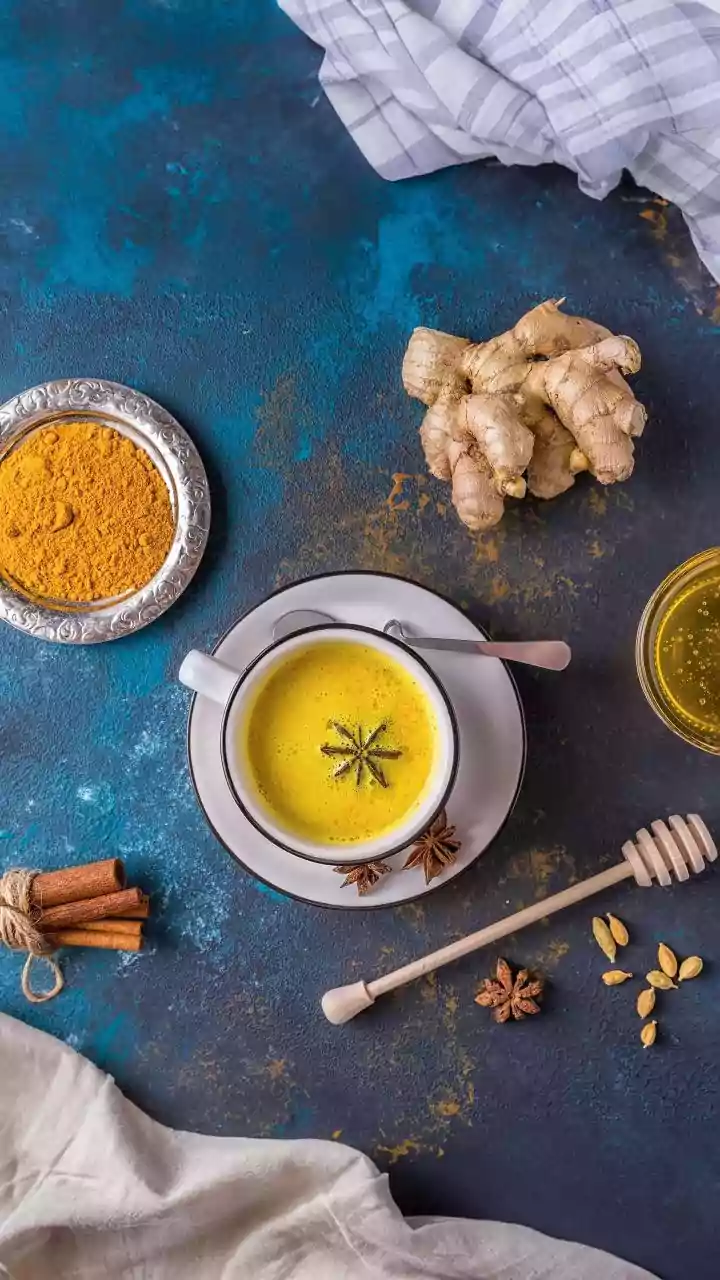
Indian spices are the heart of this winter strategy, acting as 'internal heaters'. Spices like ginger, turmeric, cloves, cinnamon, and black pepper are not just for flavour; they are chosen for their thermogenic properties, meaning they help the body generate heat. Ginger is a powerful circulatory stimulant, famous for its role in fighting off colds and sore throats. Turmeric, with its active compound curcumin, is a potent anti-inflammatory that boosts immunity. Cloves and cardamom are also believed to improve blood circulation, ensuring warmth is distributed throughout the body. Black pepper aids digestion and enhances the absorption of other nutrients. These spices work in synergy, turning a simple meal into a warming, protective shield against seasonal ailments.
The Bounty of the Winter Harvest
Winter brings a vibrant array of vegetables to Indian markets, each playing a crucial role in the seasonal diet. Leafy greens are at their nutritional peak, including mustard greens (sarson), spinach (palak), and fenugreek (methi). Mustard greens, the star of the iconic Punjabi dish 'Sarson ka Saag', are packed with vitamins A, C, and K, as well as iron and calcium, helping to strengthen bones and boost immunity. Root vegetables like carrots (gajar), radishes (mooli), and beetroot (chukandar) are also abundant. These dense, earthy vegetables are naturally sweet and provide the grounding energy needed during the colder months.
Iconic Dishes: A Symphony of Ingredients
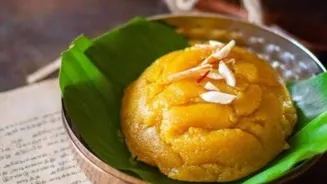
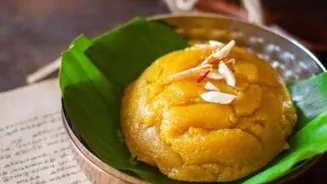
Nowhere is this balance more evident than in classic winter dishes. 'Sarson ka Saag' with 'Makki ki Roti' is the quintessential North Indian winter meal. The pungent, slightly bitter mustard greens are slow-cooked with other greens like spinach to balance the flavour, then enriched with ginger, garlic, and a generous dollop of ghee. This nutrient-rich saag is paired with flatbreads made from maize flour (makki), a grain that is itself considered warming. On the sweeter side, 'Gajar ka Halwa' is a beloved winter dessert. It transforms seasonal red carrots into a rich pudding by slow-cooking them with milk, sugar or jaggery, cardamom, and a healthy amount of ghee, creating a dessert that is both indulgent and warming.
The Golden Duo: Ghee and Jaggery
Two ingredients are indispensable in the Indian winter kitchen: ghee and jaggery (gur). Ghee, or clarified butter, is considered a 'good fat' in Ayurveda and is celebrated for its ability to provide warmth and energy. It lubricates the body, aids digestion, and helps in the absorption of fat-soluble vitamins, which is crucial when the air is dry and cold. Jaggery, an unrefined sugar, is the preferred sweetener. Unlike processed sugar, jaggery is rich in minerals like iron and magnesium. It is known to be a source of warmth and helps cleanse the body, making it the perfect partner for ghee in winter sweets and drinks.