





From 'Losing Weight' to 'Gaining Strength'
For decades, the primary fitness goal for many Indians was subtractive: losing weight. The culture was dominated by endless cardio sessions, crash diets, and an emphasis on being thin. [19] But a significant transformation is underway, particularly accelerated
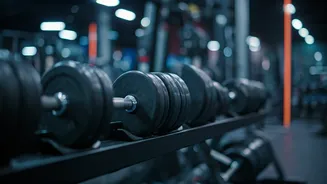
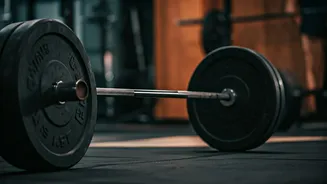
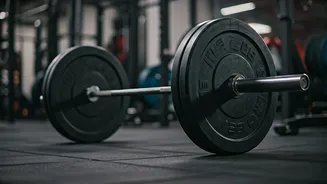
by a post-pandemic focus on health. The conversation is changing from “how much weight did you lose?” to “how much are you lifting?”. [19] This isn't just about building bigger muscles; it's a philosophical pivot towards a narrative of addition—gaining strength, energy, and resilience. This shift reflects a desire for empowerment and control, with people finding that transforming their physical strength positively impacts their minds as well. [19]
The Influence of Screens and Stars
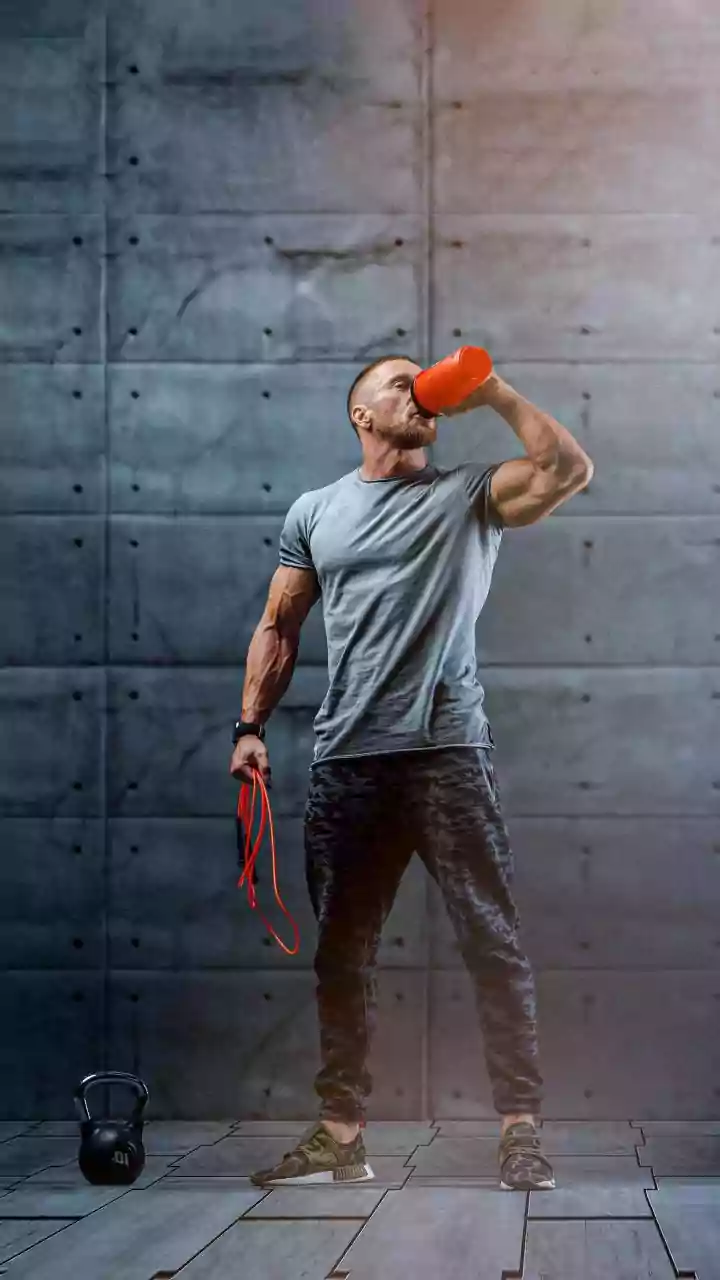
A major catalyst for this trend is the powerful influence of social media and celebrity culture. [6, 27] Bollywood actors like Hrithik Roshan, Tiger Shroff, and Farhan Akhtar have long showcased chiseled, muscular physiques built through intense weight training, setting a new aesthetic standard. [10, 18, 21] Their routines, often shared online, feature heavy doses of deadlifts, squats, and bench presses. [10] This 'fitspiration' content has flooded platforms like Instagram and YouTube, where fitness influencers now reach a vast audience, making strength training seem more accessible and aspirational than ever. [6, 27] Seeing their on-screen idols and online mentors lift heavy has inspired a generation to believe that strength is a desirable and achievable goal.
The Rise of Women Who Lift
Perhaps the most significant aspect of this trend is the increasing number of women embracing strength training. The old myth that lifting weights makes women 'bulky' is finally being debunked, replaced by an understanding of its real benefits. [8, 31] Strength training helps women build bone density, improve metabolic health, and gain a 'toned' physique. [8, 31] While cultural barriers and access to safe gym spaces remain challenges, pioneering athletes like Olympic medalist Mirabai Chanu are powerful role models. [8, 26, 29] In gyms, the sight of women in the weights section is becoming increasingly common, a testament to a growing desire for functional strength and personal empowerment over outdated notions of fragility. [17, 19]
An Expanding Fitness Landscape
The boom in strength training is supported by a rapidly growing fitness industry. India’s fitness market is projected to more than double between 2024 and 2030. [13, 19] This growth is visible in the proliferation of gyms across the country, from large chains to boutique studios, especially in Tier-2 and Tier-3 cities. [9, 14] This expansion makes access to proper equipment and coaching easier than before. [9] Furthermore, the market for fitness equipment itself is surging, with a significant increase in sales for home fitness items like dumbbells and resistance bands, indicating that the trend extends beyond the gym walls. [12, 15] Technology, from AI-powered fitness apps to wearables, is also making personalised strength programs more accessible to millions. [3, 4]
More Than Just a Workout
Strength training is winning not just because it changes bodies, but because it is redefining wellness. It's moving from a niche activity for athletes to a mainstream lifestyle choice. [19] The trend is part of a larger movement towards holistic health, where mental and physical well-being are interconnected. [3] The discipline, confidence, and stress relief that come from lifting weights are powerful draws. [17] Community is another key factor; group classes like CrossFit and community-based fitness are fostering a sense of belonging and shared purpose, turning solitary workouts into social experiences. [5, 7] This shift from aesthetics to overall wellness and longevity suggests that the focus on strength is here to stay. [7]