





The Rise of the Mini Orchard
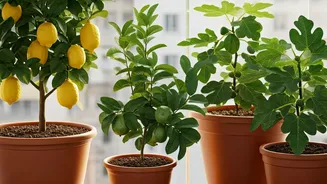
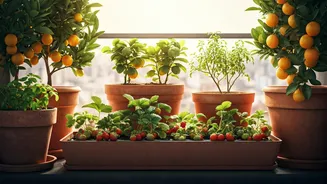
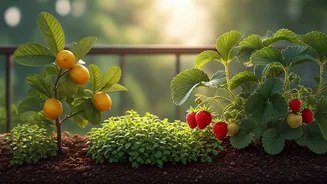
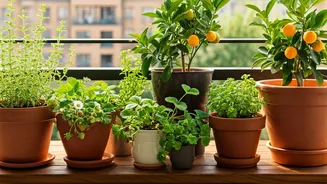
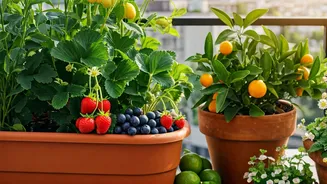
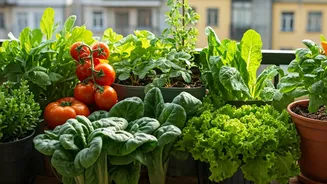
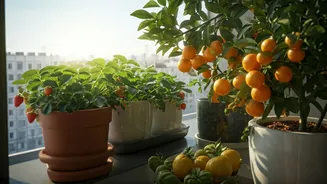
Urban living often means limited space, but a growing number of people are turning their balconies, terraces, and even sunny windowsills into productive mini-orchards. This trend is driven by a desire for fresher, healthier food and the simple joy of cultivation.
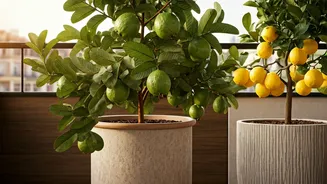
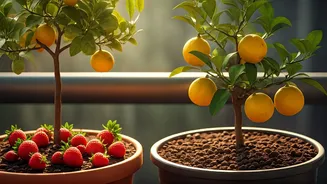
With advancements in horticulture, plant breeders have developed dwarf and semi-dwarf fruit trees that are perfectly suited for container life. These compact plants remain a manageable size without sacrificing their ability to produce a rewarding harvest, making the experience of growing your own fruit more accessible than ever.
More Than Just Fruit
The benefits of growing your own fruit extend far beyond the kitchen. Having control over the growing process means you can avoid chemical pesticides, ensuring your family enjoys truly organic produce. Home-grown fruit, picked at its peak ripeness, offers superior flavour and nutritional value compared to store-bought options that are often harvested early for transport. Furthermore, gardening is a well-known stress reliever, offering a therapeutic connection to nature and a sense of accomplishment. It also helps reduce food waste, as you only pick what you need, when you need it.
Best Fruits for Your Balcony Garden
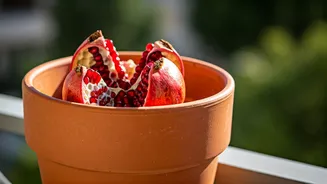
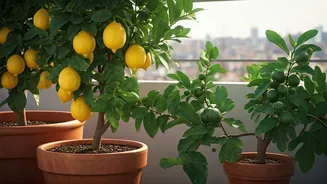
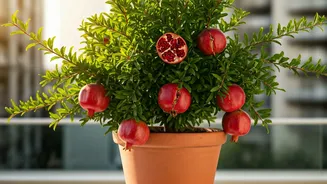
Not all fruit trees are suited for pots, but many thrive in Indian climates with the right care. Lemons, particularly the Kagzi variety, are a great starting point and can provide a year-round supply for a family from a single container. Guava is another highly productive option, with varieties like Allahabad Safeda yielding a good crop in a 50-litre pot. For those looking for something easy, the Fig is considered one of the simplest container fruit trees, being drought-tolerant and largely pest-free. Dwarf varieties of Mango (like Amrapali), Pomegranate, and even Papaya can also be successfully grown with a bit of attention.
Setting Up for Success
The foundation of a healthy container fruit tree is its home. Choose a large container, typically between 40 to 60 litres, to give the roots enough room to grow. Fabric grow bags are an excellent choice as they prevent roots from circling and improve drainage. Ensure any pot you use has sufficient drainage holes. The right soil mix is also crucial. A lightweight, well-draining potting mix is preferable to heavy garden soil. A good recipe is a blend of cocopeat, compost or vermicompost, and perlite or sand to ensure a balance of moisture retention, nutrition, and aeration.
Sunlight and Water are Key
The single most important factor for getting your trees to fruit is sunlight. Most fruit trees require at least six to eight hours of direct sunlight every day. A south or west-facing balcony or terrace is often the ideal location. When it comes to watering, consistency is more important than frequency. Water deeply until it runs out of the drainage holes, and then allow the top layer of soil to dry out before watering again. This prevents both dehydration and root rot. During hot summer months, daily watering may be necessary.
Common Mistakes to Avoid
One of the biggest mistakes beginners make is choosing a seedling instead of a grafted plant. Grafted trees can start fruiting in just two to three years, whereas a plant grown from a seed might take seven to ten years. Another common pitfall is insufficient light; without enough sun, your tree will produce leaves but no fruit. Overwatering is also a frequent issue, leading to root diseases. Always check the soil moisture before adding more water. Finally, don't underestimate the size of the container needed. Starting too small will restrict root growth and limit your tree's potential.