




Why Sunlight is Tea's Number One Enemy
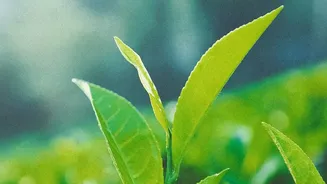
Tea leaves are delicate, and their complex flavours and aromas come from natural oils and chemical compounds. When exposed to direct sunlight, a process called photodegradation begins. The sun's ultraviolet (UV) rays act like a wrecking ball, breaking
down the essential components that make tea so special. Light exposure can break down chlorophyll, which gives green tea its vibrant colour, and it also degrades catechins, the powerful antioxidants responsible for many of tea's health benefits and its fresh, brisk taste. Over time, this leads to a beverage that tastes flat, stale, or even metallic. Think of it this way: the same process that causes colours to fade on a poster left in a sunny window is happening to your tea leaves.
Understanding the Natural Oils in Tea
The 'natural leaf oils' mentioned in the headline refer to the essential oils and volatile aromatic compounds within the tea leaf. These compounds are responsible for the vast spectrum of scents and flavours we enjoy, from the floral notes in an oolong to the malty richness of a black tea or the grassy, savoury umami of a Japanese green tea. These oils are highly sensitive and begin to degrade when exposed to antagonists like oxygen, heat, and light. Oxidation, a chemical reaction with the air, is a controlled part of processing for black and oolong teas, which intentionally transforms the leaf's flavour profile. However, uncontrolled oxidation after the tea is packaged simply makes it stale, and sunlight dramatically speeds up this process.
Meet the Other Flavour Killers
While sunlight is a major problem, it's not the only factor that can ruin a good brew. To truly protect your tea, you need to guard it against four other enemies: air, moisture, heat, and odours. Air exposure continues the oxidation process long after the tea has left the factory, making it taste dull. Moisture is even more destructive; tea leaves are highly absorbent and can easily soak up humidity from the air, which can lead to mould and a complete loss of flavour. Heat, like that from a stove or even a warm spot on the counter, accelerates all of these chemical reactions. Finally, tea leaves will absorb any strong smells around them, so storing your Earl Grey next to your spice rack is a recipe for disaster.
The Right Way to Store Your Tea
The ideal storage solution for tea is simple: a cool, dark, and dry place. The best container is one that is both airtight and opaque. Think ceramic jars with a sealing gasket or double-lidded metal tins. While clear glass jars look beautiful on a counter, they are one of the worst choices for tea storage because they let in light. If you must use a glass jar, be sure to store it inside a dark cupboard or pantry. The kitchen is often not the best place for tea, as heat and steam from cooking can cause damage. A shelf in a dining room cabinet or a pantry away from the oven is a much safer bet. And despite what some may think, the refrigerator is generally not a good place for your daily tea stash, as condensation can introduce moisture every time you take it out.