
The Great Reconnection
A huge part of this shift comes from our collective emergence from the pandemic. After years of isolation and virtual interactions, the pent-up demand for real, in-person connection was immense. Live events, especially music concerts, became a primary
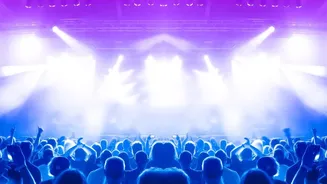
outlet for this desire. Researchers and industry experts note that the live music market didn't just recover post-COVID; it exploded onto a higher tier. People weren't just going to see an artist; they were flocking to celebrate being together again. While virtual concerts served as a temporary solution, they failed to replicate the emotional depth and communal energy of an offline show. This craving for togetherness and a shared, tangible atmosphere set the stage for the concert's new role as a vital social gathering.
Experience Over Everything
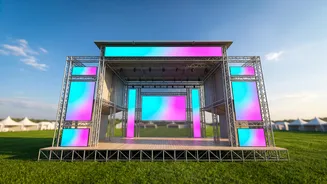
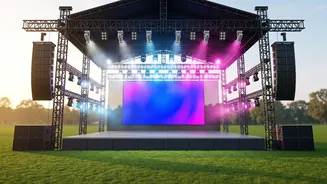
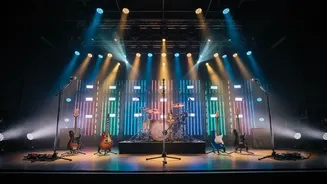
The economics of the music industry have also fundamentally changed. For decades, artists earned a living from selling albums. Today, with streaming platforms paying fractions of a cent per play, that model is no longer viable for most musicians. As a result, live performances have become their primary source of income. This economic pressure has forced a change in what's being sold. It's no longer just a ticket to hear songs; it's a ticket to an all-encompassing experience. This includes everything from VIP packages and exclusive merchandise to spectacular, large-scale stage productions. These elements are inherently visual and shareable, designed not just to be enjoyed but to be broadcast.
Curated for the Timeline
Social media has turned every concertgoer into a broadcaster. The fear of missing out (FOMO) is a powerful driver, amplified by a constant stream of Instagram stories, pre-show 'fit checks', and viral TikTok clips. For many younger attendees, the event begins long before the first note is played, with online discourse about securing tickets and continues long after, with post-concert photo dumps. According to some in the industry, a significant portion of the audience is there specifically to participate in this social theatre and document it online. The concert has become the physical meeting ground for digital communities, a place to validate online connections in the real world. This transforms the show from a personal memory into social currency.
The Festival Phenomenon
Nowhere is this shift more apparent than in the rise of the modern music festival. Events like Lollapalooza India, NH7 Weekender, and Ziro Festival of Music are curated as multi-day social destinations. They offer more than just a lineup of artists; they provide a holistic experience complete with art installations, food culture, wellness activities, and brand collaborations. For many, the music is the anchor, but the overall social atmosphere is the main attraction. These festivals are designed for immersion and community, encouraging attendees to camp, explore, and connect with fellow fans over several days. This format inherently prioritizes the collective experience over a simple performance, making it the ultimate example of music as a social event.