






What Are Hyper-Palatable Foods?
Hyper-palatable foods aren't just tasty; they are scientifically engineered to be maximally rewarding. The term, first quantitatively defined by researcher Dr. Tera Fazzino, refers to food items containing specific combinations of fat, sugar, sodium,
and carbohydrates at levels rarely found in nature. Unlike a naturally sweet apple, which pairs sugar with fiber and water, these processed foods are designed to bypass the body's natural fullness cues. Research shows that an astonishingly high percentage of foods in the US food supply, around 69%, now meet the definition of hyper-palatable.
The Irresistible Combinations
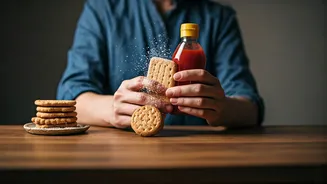
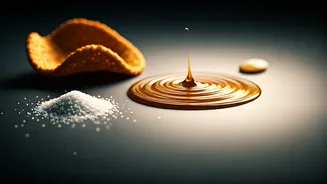
Scientists have identified three primary combinations that make foods hyper-palatable. The first is a mix of fat and sodium, often found in items like bacon, hot dogs, and pizza. The second is a combination of fat and sugar, the formula for treats like ice cream, cake, and cookies. The third is a blend of carbohydrates and sodium, which makes snacks like crackers, pretzels, and chips so hard to put down. These specific pairings create a sensory experience that is far more appealing than any single ingredient on its own, driving you to eat more.
Hijacking Your Brain's Reward System
When you eat these foods, your brain's reward system gets a powerful jolt. The combination of ingredients triggers a massive release of dopamine, a neurotransmitter associated with pleasure and motivation. This creates a strong, positive feeling that your brain wants to experience again and again. This dopamine surge is more intense than what you'd get from eating whole, unprocessed foods. Over time, your brain can become less sensitive, meaning you need to eat more of the hyper-palatable food to achieve the same level of pleasure, creating a cycle of craving and overconsumption.
Designed to Be Overeaten
The creation of hyper-palatable foods is a deliberate process. Food companies invest heavily in research to find the 'bliss point'—the perfect amount of salt, sugar, and fat that maximizes deliciousness and keeps you coming back for more. These products are often stripped of nutrients like fiber and protein that would normally help you feel full, allowing you to consume more without triggering satiety signals. This isn't a secret conspiracy; it's the science of making food products that sell well by being incredibly desirable.
How to Reclaim Your Snack Control
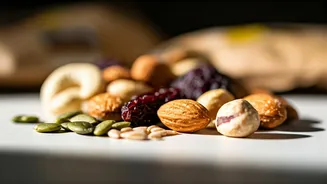
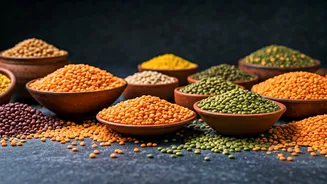
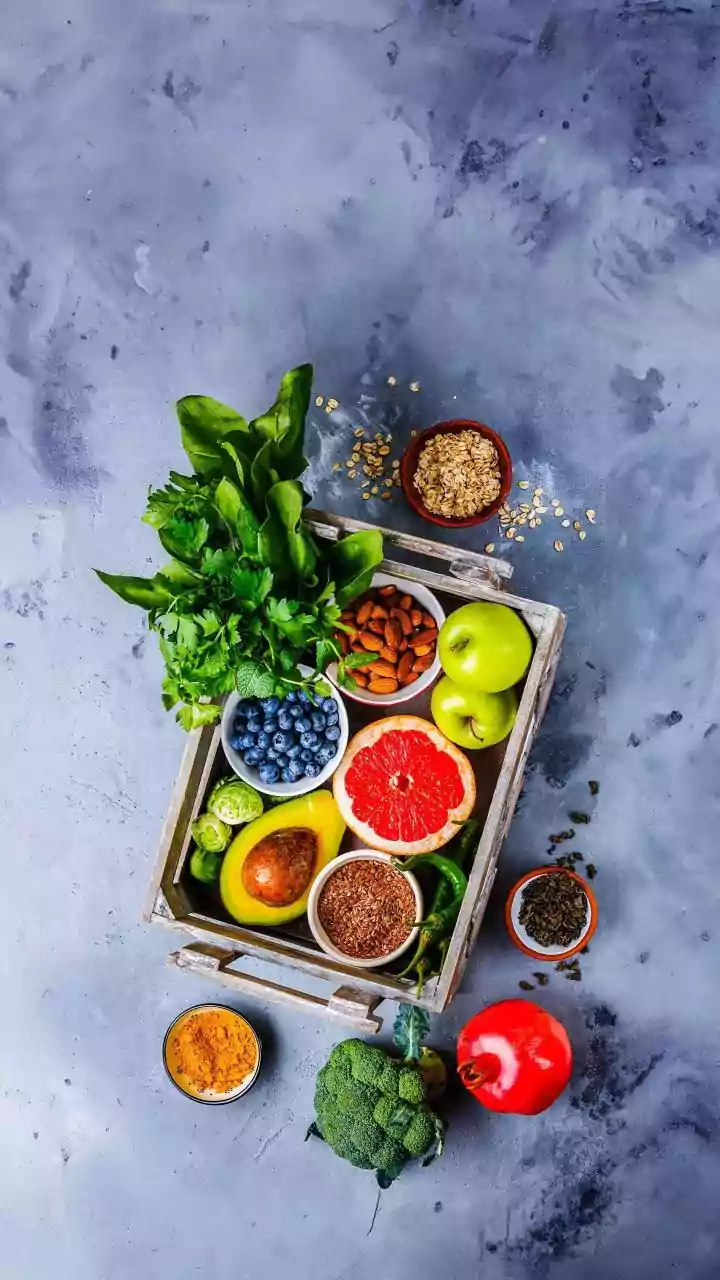
Understanding the science of hyper-palatability is the first step to regaining control. It's not about banning these foods forever, but about making conscious choices. One effective strategy is to focus on eating whole, unprocessed foods that don't have these engineered combinations. When you do eat snacks, practice mindful eating: eat slowly, savor the taste, and pay attention to your body's hunger and fullness cues. Simple environmental changes, like not keeping large bags of chips on the counter, can also make a big difference by reducing temptation. Staying hydrated is another key, as thirst is often mistaken for hunger. Prioritizing meals with fiber and protein can also help you feel fuller for longer, reducing the urge to snack between meals.