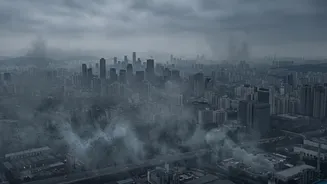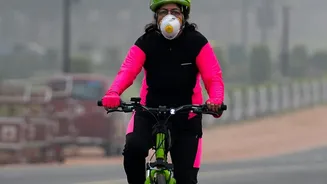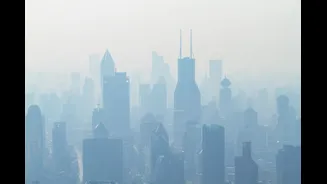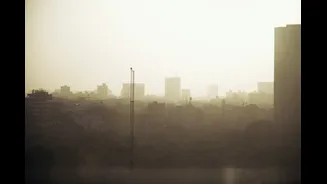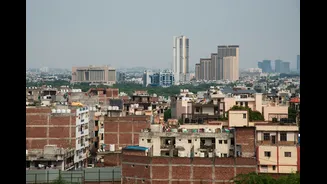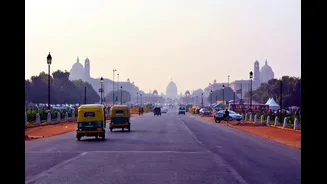




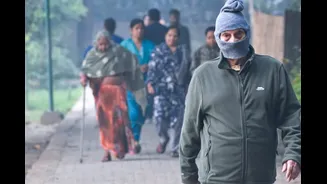
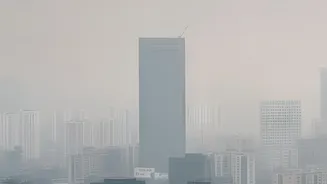
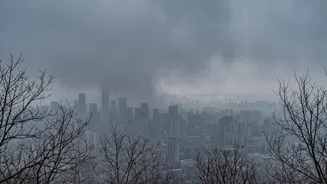
A toxic haze has once again enveloped Delhi, pushing the Air Quality Index (AQI) to 'very poor' and 'severe' levels. This annual crisis is more than a health warning; it's a disruption that is fundamentally altering daily life across the capital.
An Unbreathable Reality
As of
November 12, 2026, Delhi's overall AQI has settled in the 'very poor' category, with readings consistently above 300. Several monitoring stations have even recorded levels over 400, tipping into the 'severe' range. To put this in perspective, an AQI between 0 and 50 is considered 'good'. The current crisis is fueled by a familiar combination of post-Diwali pollution, stubble burning in neighbouring states, and meteorological conditions that trap pollutants close to the ground. The concentration of PM2.5, fine particulate matter that can enter the bloodstream, has reached alarming levels, at times reportedly surging to over 60 times the WHO's recommended daily guideline. This has prompted authorities to implement Stage III of the Graded Response Action Plan (GRAP), a set of emergency measures to curb pollution.
Education Interrupted: Schools Go Hybrid
The most immediate and visible impact has been on the city's youngest residents. Acknowledging the severe health risks to children, the Delhi government has directed schools to shift to a hybrid learning model for students up to Class 5. This measure, triggered by the implementation of GRAP Stage III, allows children to either attend classes online or physically, where facilities are available. The directive applies to all government, aided, and private schools across Delhi and has been recommended for neighbouring NCR cities like Noida, Ghaziabad, and Gurugram. While authorities have stopped short of a complete shutdown, the move reflects a difficult balance between ensuring learning continuity and protecting children from hazardous air exposure. For many parents, the shift is a necessary precaution, with surveys indicating significant support for proactive school closures during peak pollution periods.
The City on Pause: Work and Commuting
The pollution crisis has also forced a major change in the professional landscape. As part of Delhi's comprehensive winter action plan, a 50% work-from-home mandate has been put in place for both government and private offices to reduce vehicular emissions. This policy, effective from November, is a key pillar of the GRAP measures. The aim is to cut down on traffic congestion, a major contributor to pollution. To further discourage the use of private vehicles, parking fees have been doubled across the city, though Delhi Metro facilities are exempt. Construction and demolition activities, another significant source of dust pollution, face stringent restrictions, with a complete ban on non-essential projects. These measures collectively aim to reduce emissions at their source but have a profound impact on daily routines and economic activity.
Travel Under a Veil of Smog
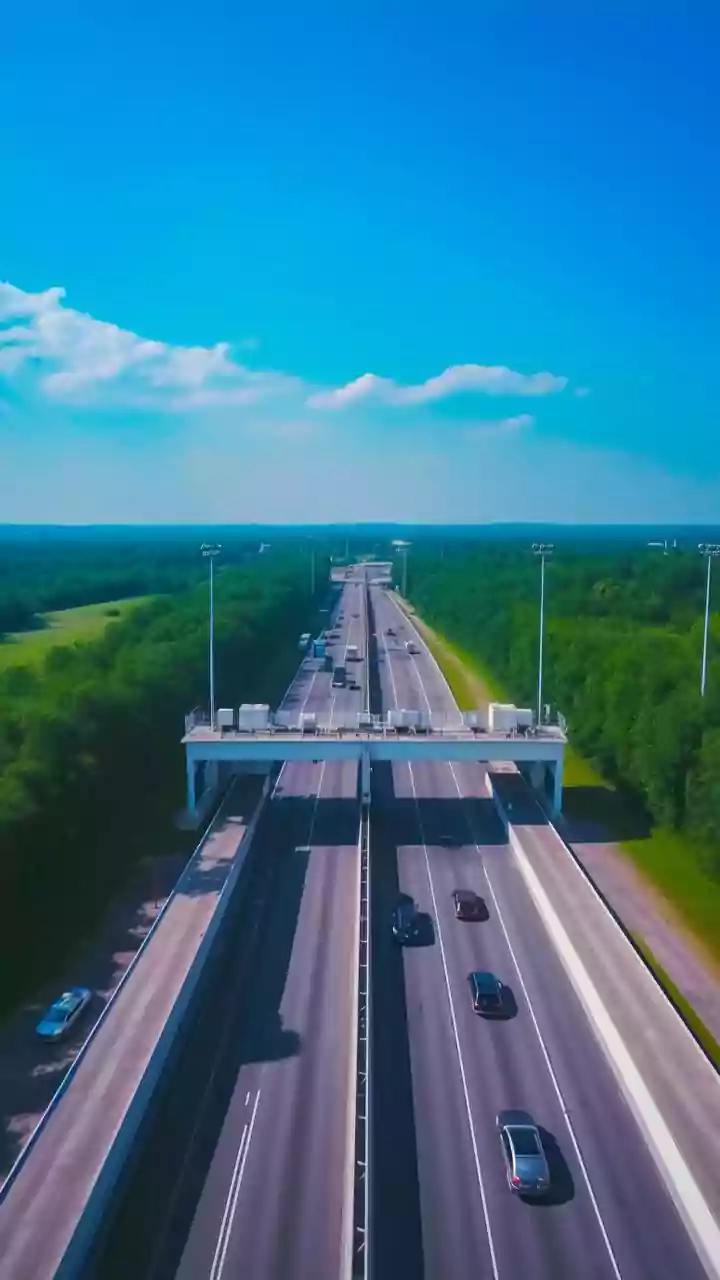
The thick smog has also created chaos for travel in and out of the city. Low visibility has led to significant disruptions at Delhi's Indira Gandhi International (IGI) Airport. Following Diwali, nearly half of all departing flights experienced delays as the airport activated its Low Visibility Procedures (LVP). While advanced technology allows some flights to operate in poor conditions, the overall capacity of the airport is reduced, causing a ripple effect across schedules. On the roads, the situation is equally challenging. The government has banned the entry of commercial vehicles, including trucks and buses, that do not meet BS-VI emission standards. Under GRAP Stage III, restrictions are also placed on older BS-III petrol and BS-IV diesel fourwheelers in Delhi and several NCR districts. This combination of smoginduced low visibility and regulatory restrictions makes travel a slow and uncertain affair for millions.