


The Modern Breakfast Dilemma
In many urban homes, breakfast has become a hurried affair dominated by convenience. Sugary cereals, buttered white toast, or processed snacks are common choices. While quick, these options are often high in refined carbohydrates and sugar, leading to a rapid
energy spike followed by a slump. This crash can trigger mid-morning cravings for more unhealthy snacks, setting a poor nutritional tone for the rest of the day. Studies show that people who skip a proper breakfast, or opt for nutrient-poor ones, are more likely to make poor food choices throughout the day. This cycle can contribute to weight gain, fatigue, and other lifestyle-related health issues over time.
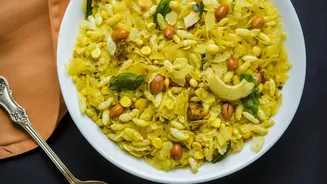
Poha: The Light and Powerful Start
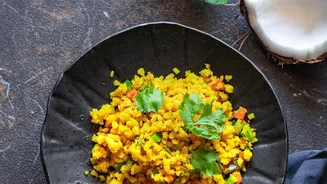
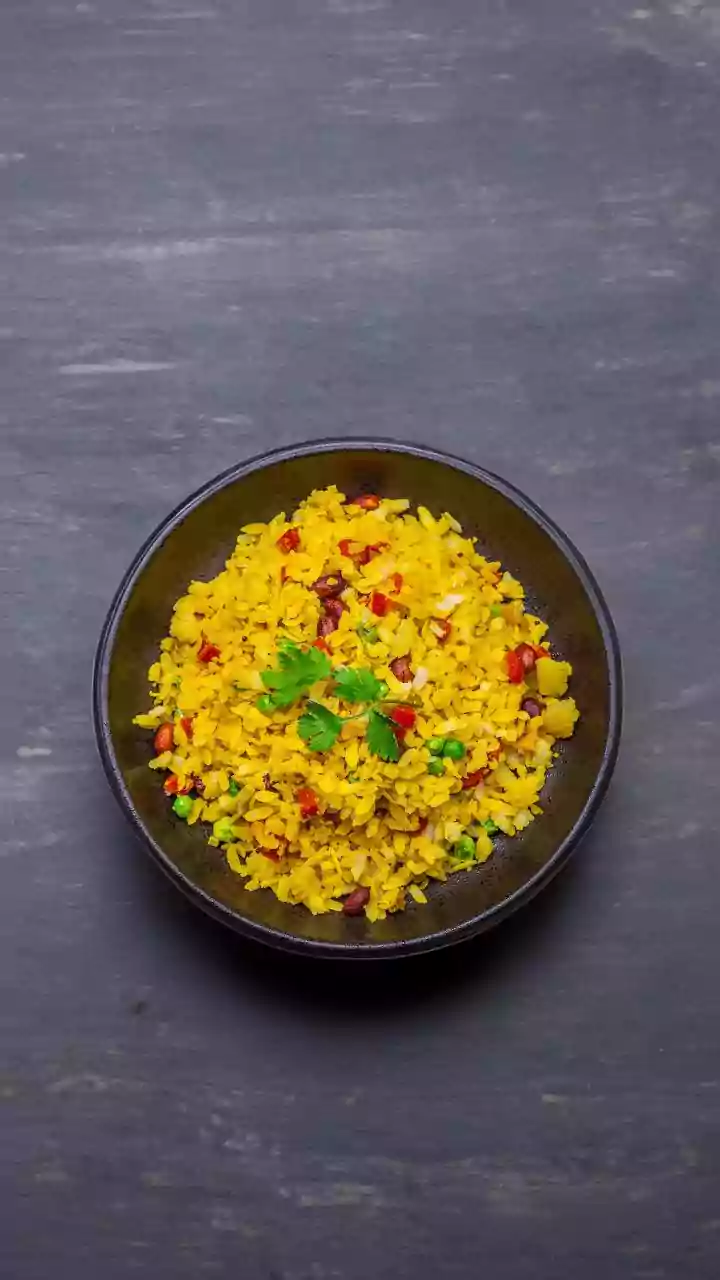
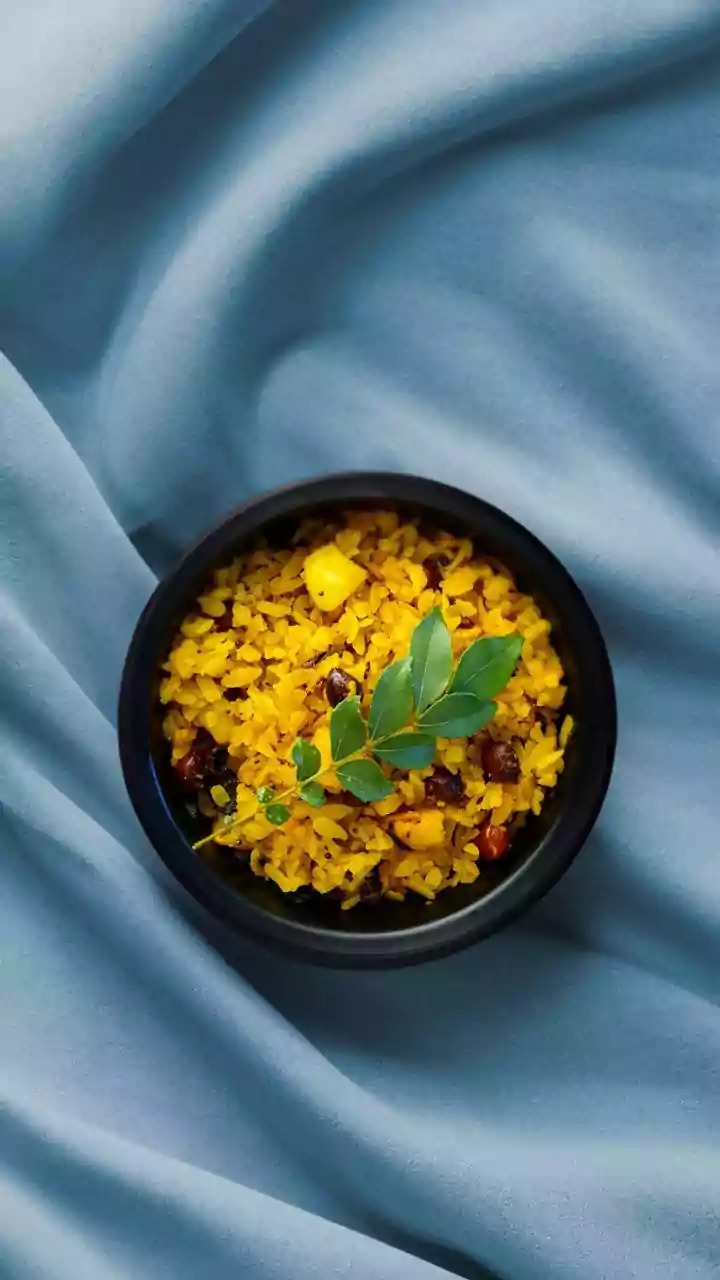
Poha, or flattened rice, is a breakfast staple across many Indian states for good reason. It's incredibly light on the stomach yet provides sustained energy. Made from rice that is parboiled, flattened, and dried, it’s packed with healthy carbohydrates. It also has a relatively low glycemic index compared to white rice, meaning it releases sugar into the bloodstream more slowly, preventing sudden energy dips. During the flattening process, which often uses iron rollers, the rice retains a higher iron content, making it beneficial for those with iron deficiency. Poha is also considered a probiotic food because it undergoes fermentation during its processing, which is good for gut health. To make it a more balanced meal, it is often cooked with vegetables like peas and onions, and garnished with peanuts, which adds fibre, vitamins, and a dose of protein.
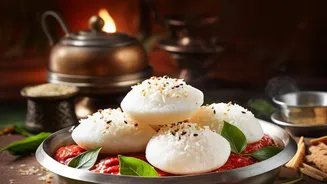
Idli: The Gut-Friendly Powerhouse
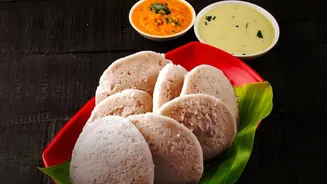
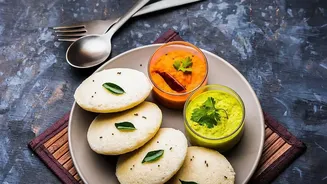
Idli, the soft, steamed rice cake from South India, is considered one of the healthiest breakfast options available. Its primary health benefit comes from the fermentation of the rice and urad dal (black gram) batter. This process breaks down the nutrients, making them easier to digest and absorb. More importantly, fermentation enriches the batter with probiotics, the beneficial bacteria that support a healthy gut microbiome, which is crucial for immunity and overall health. Because idlis are steamed and not fried, they are naturally low in fat and calories. The combination of rice and dal provides a good balance of carbohydrates and plant-based protein, offering a steady release of energy that keeps you feeling full and satisfied for longer.
Building the Foundation for Healthy Habits
The claim that a good breakfast builds lifelong habits is backed by science. Starting your day with a nutritious, balanced meal like poha or idli helps stabilize your blood sugar levels. This prevents the intense hunger pangs that often lead to reaching for high-fat, high-sugar snacks later in the day. When you feel satiated and energetic after your first meal, you are psychologically more inclined to make healthier choices for lunch and dinner. People who regularly eat a wholesome breakfast are also more likely to meet their daily requirements for essential vitamins and minerals. It kick-starts your metabolism and sets a positive precedent, turning a single healthy meal into a pattern of mindful eating that can last a lifetime.
Beyond Poha and Idli
While poha and idli are excellent examples, the principle extends to a wide array of regional Indian breakfasts. Options like moong dal chilla (lentil crepes), upma made with vegetables, or millet dosas offer a similar blend of complex carbohydrates, protein, and fibre. The key is to choose dishes that are prepared using traditional methods like steaming or light sautéing and are rich in whole grains, lentils, and vegetables. Adding protein sources like sambar, curd, paneer, or peanuts to these breakfasts further enhances their nutritional value and satiety factor, ensuring you stay full and focused through the morning.