

The Journey from Farm to Your Plate
Store-bought herbs travel a long way before they reach your kitchen. From the farm to the market and then to your home, they are handled by many, exposed to pollutants, and often lose their nutritional value and vibrant flavour. More concerning is the potential
presence of chemical residues. While India has standards for Maximum Residue Limits (MRLs) for pesticides on produce, concerns about their application and enforcement persist. News reports have, at times, highlighted the presence of pesticides in samples of spices and herbs. By the time they reach you, these herbs may have lost a significant amount of their essential oils, which give them their characteristic aroma and health benefits. Growing your own eliminates this entire chain of uncertainty.
Your Windowsill: The Perfect Mini-Farm
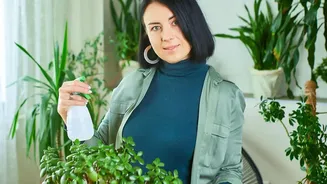
You don’t need a large garden to enjoy the freshest herbs. A simple windowsill that receives a few hours of sunlight can become a thriving, personal herb garden. Growing herbs in pots gives you complete control over the entire process—from the soil and seeds to the water and nutrients. You decide what goes into your plants, ensuring they are free from synthetic pesticides and chemicals. This method is not only sustainable but also incredibly rewarding, connecting you directly with the food you eat. Plus, it's a cost-effective way to have a constant supply of essential ingredients.
Growing Sacred Tulsi (Holy Basil)
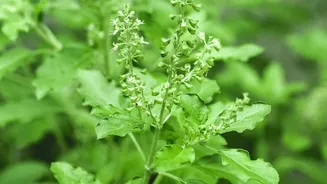
Tulsi is revered in Indian households for both its spiritual and medicinal properties. To grow it, choose a pot at least 8-10 inches wide with good drainage holes. Tulsi loves sunlight, so a spot that gets at least 4-6 hours of direct sun is ideal. Use a well-draining soil mix, and water only when the top inch of soil feels dry to the touch—overwatering is a common mistake that can lead to root rot. To encourage a bushy plant, regularly pinch off the flowering buds (manjari) before they bloom. This directs the plant's energy into producing more lush, aromatic leaves.
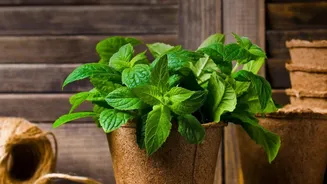
Cultivating Ever-Ready Mint (Pudina)
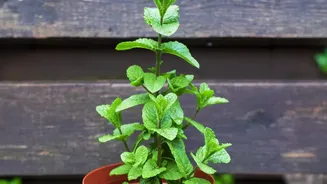
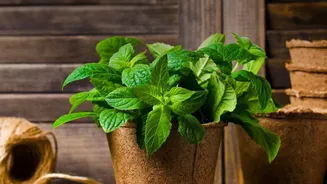
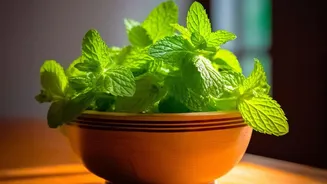
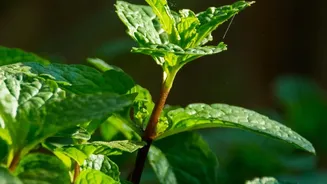
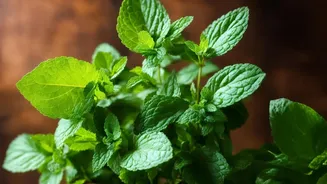
Mint is famously easy to grow and incredibly versatile. In fact, it's so vigorous that it's best kept in a container to prevent it from taking over your garden. An easy way to start is from cuttings from a bunch you've bought from the market. Simply place a few healthy stems in a glass of water, removing the lower leaves. Roots will appear in about a week or two. Once the roots are a couple of inches long, plant them in a pot with a good potting mix. Mint prefers consistently moist soil and enjoys a sunny spot, though it can tolerate some partial shade. Harvest leaves regularly to encourage fuller growth.
Fresh Coriander (Dhania) on Demand
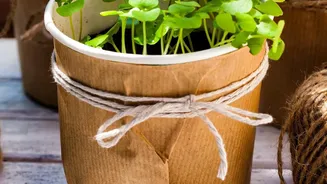
There's nothing like the taste of freshly chopped coriander leaves. Growing it at home is simple and ensures you have it whenever a recipe calls for it. It's best to sow coriander seeds directly into the pot, as the plant dislikes having its roots disturbed. You can gently crush the whole seeds to split them, which can help with germination. Plant the seeds about half an inch deep in a pot that is at least 6-8 inches deep and has good drainage. Coriander enjoys morning sun but can bolt (flower prematurely) in intense heat, so a spot with 4-5 hours of light is perfect. The leaves should be ready to harvest in about 40-45 days.
Beyond Purity: The Flavour and Freshness
The primary reason to grow your own herbs is to ensure they are clean and pesticide-free, but the benefits don't stop there. Herbs harvested just moments before being used have a superior flavour and aroma that store-bought alternatives simply cannot match. Their nutritional content, packed with vitamins and antioxidants, is also at its peak. The simple act of snipping off a few leaves of Tulsi for your morning tea, grabbing a handful of mint for a chutney, or garnishing a curry with your own coriander offers a unique sense of satisfaction and a delicious connection to your food.