




The Puffed Snack Showdown
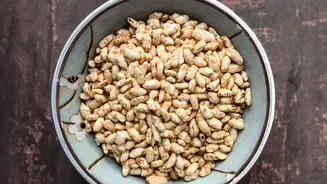
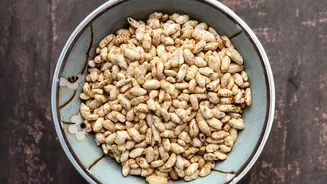
At a glance, quinoa puffs and puffed rice seem similar. Both are made by applying heat and pressure to grains until they expand, creating a light, crunchy texture. The fundamental difference lies in their source material. Puffed rice, a familiar sight
in Indian households as 'murmura', is typically made from white rice kernels. Quinoa puffs, a more recent entrant in the market, are made from quinoa—a seed that is nutritionally classified as a whole grain. This distinction is the starting point for all their nutritional differences, from protein to, most importantly, fibre.
A Head-to-Head Nutritional Glance
Before diving into fibre, let's look at the bigger picture. Quinoa puffs generally pack a more powerful nutritional punch. They typically contain significantly more protein—with quinoa being a 'complete protein' that provides all nine essential amino acids. They also offer higher levels of minerals like iron and magnesium. Puffed rice, on the other hand, is much lower in calories, fat, and protein, making it a lighter option. However, it also has a higher glycemic index, meaning it can cause a quicker spike in blood sugar levels, which is a key consideration for many. But the real story for gut health and feeling full lies in the fibre content.
The Fibre Story: Not All Puffs Are Equal
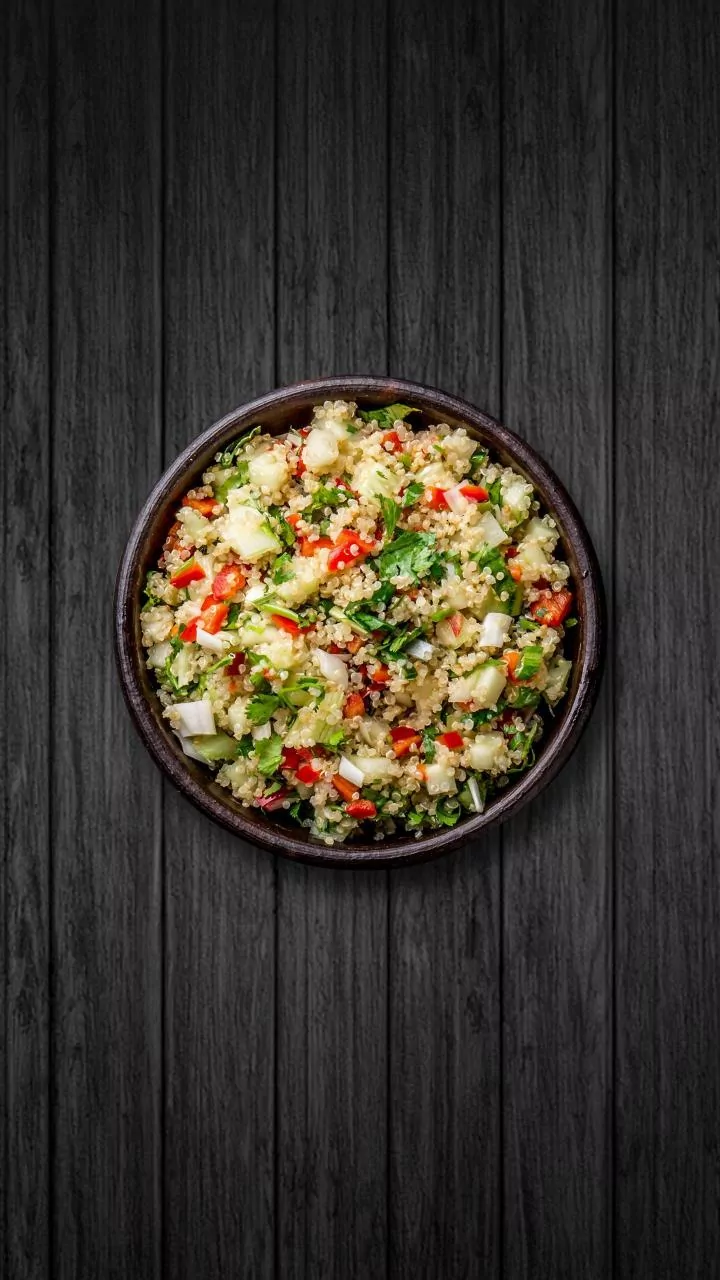
Dietary fibre is a type of carbohydrate that the body can't digest. It's crucial for maintaining a healthy digestive system, managing blood sugar levels, and promoting a feeling of fullness. When comparing these two snacks, quinoa consistently comes out on top. A 100g serving of quinoa contains significantly more fibre than the same amount of white rice. One analysis shows raw quinoa having about 14.7g of fibre per 100g, while white rice has just 2.8g. While the puffing process can alter nutritional values, the core difference remains: quinoa starts as a more fibre-rich ingredient. Quinoa puffs can have around 2.5g of fibre in a 30g serving, whereas puffed rice often contains less than 1g for a similar portion size.
Whole Grain Goodness vs. Refined Grains
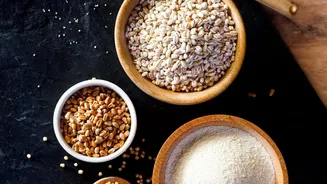
The reason for this fibre gap is simple: whole grains versus refined grains. Quinoa is a pseudocereal, treated as a whole grain in diets, meaning its fibrous outer layers are intact. Puffed rice is usually made from white rice, where the bran and germ—the most fibre-rich parts of the grain—have been removed during processing. This is why brown rice, an unrefined grain, has more fibre than white rice. The fibre in quinoa is not just about quantity. It includes both soluble and insoluble types. Soluble fibre can help lower cholesterol and regulate blood sugar, while insoluble fibre adds bulk to stool, aiding regular bowel movements. This combination contributes to better gut health and sustained energy release, helping you feel fuller for longer.
How to Read the Label for Fibre
The headline of this article isn't just about which is better, but 'how to understand' the difference. The key is to become a savvy label reader. When you pick up a packet of any puffed snack, turn it over to the nutrition information panel. Look for the 'Dietary Fibre' line. In India, food regulations allow a product to be called a 'source of fibre' if it has at least 3g of fibre per 100g, and 'high fibre' if it contains at least 6g per 100g. Also, check the ingredients list. Ingredients are listed in descending order by weight. If 'whole grain quinoa' is one of the first ingredients, it's a good sign. If 'rice' is listed for puffed rice, it's likely refined white rice unless it specifically states 'brown rice'.
The Verdict: Which Puff Should You Pick?
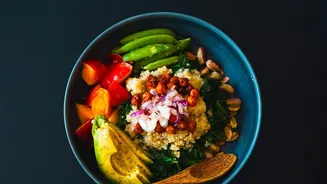
There is no single 'winner' for everyone, as the best choice depends on your health goals. For a nutrient-dense snack that will keep you full, support digestion, and provide a dose of protein and minerals, quinoa puffs are the clear choice. They are particularly beneficial if you are looking to increase your fibre intake or want a snack with a lower impact on your blood sugar. On the other hand, if your primary goal is a very low-calorie, light, and easy-to-digest snack, plain puffed rice (murmura) can fit the bill, especially when eaten in moderation. It can be a good base for snacks like bhel puri when combined with vegetables and legumes to add back some of the missing fibre and nutrients.