




1. Banish That Musty Monsoon Smell
We all know it. That specific, pervasive smell of dampness that clings to fabrics during the monsoon. It seeps into cupboards and makes even clean clothes feel less than fresh. This happens because moisture in the air gets trapped in the fibres of your
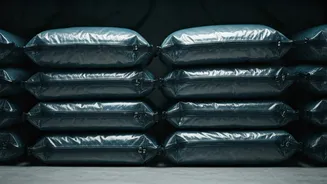
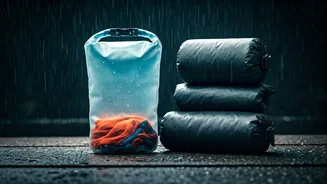
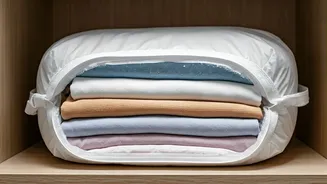
textiles, creating a breeding ground for odour-causing bacteria. Vacuum seal bags tackle this problem at its source. By sucking all the air out, you’re also removing the airborne moisture around your items. The airtight seal then acts as an impenetrable fortress, preventing humid air from getting back in. When you finally open the bag months later, your clothes, blankets, and quilts will smell just as fresh as the day you washed them, not like they’ve been hibernating in a damp cave.
2. Prevent Mould and Mildew Growth
Beyond the unpleasant smell, high humidity is a direct invitation for mould and mildew. These fungi thrive in damp, dark, and poorly ventilated spaces—exactly like the inside of a packed wardrobe during the rainy season. They can permanently stain fabrics, ruin expensive silk sarees or woollen suits, and trigger allergies. Vacuum sealing creates an environment where mould simply cannot grow. By removing oxygen, you eliminate one of the key ingredients fungi need to survive. This is especially crucial for items you won’t be using for a few months, like heavy razais, winter jackets, and leather goods. One crucial tip: always ensure every item is 100% bone-dry before you seal it. Trapping even a little moisture inside the bag will have the opposite effect and can cause irreversible damage.
3. Reclaim Your Storage Space
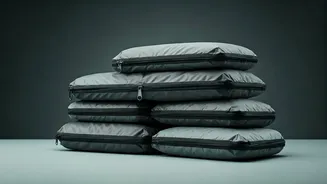
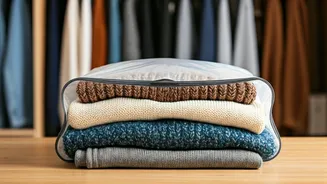
Our homes are not getting any bigger, but our collection of clothes and linens seems to grow every year. Bulky items like winter duvets, woollen blankets, and puffy jackets are space hogs. They take up valuable real estate in your almirah all through the hot summer and wet monsoon, when you have no use for them. This is where the ‘compression’ part of the sacks works its magic. Once the air is removed, these bags shrink down to a fraction of their original size. A giant quilt that once occupied an entire shelf can be compressed into a flat, manageable brick that slides easily under a bed or at the back of a cupboard. This instantly frees up prime storage space for your everyday monsoon essentials, making your closets feel more organised and less chaotic.
4. Create a Fortress Against Pests
The monsoon doesn’t just bring rain; it brings an army of pests seeking shelter. Silverfish, moths, and other insects love the dark, undisturbed corners of our wardrobes, where they can feast on natural fibres like wool, cotton, and silk. Traditional mothballs can be effective, but they leave a strong, chemical smell that is hard to remove. Vacuum seal bags provide a superior, non-toxic solution. The thick plastic and airtight seal create a physical barrier that is impossible for insects to penetrate. There are no gaps, no entry points, and no air for them to breathe. This ensures your expensive wedding lehenga, pashmina shawls, and heirloom fabrics are protected from being turned into an insect’s next meal.
5. Preserve Your Valuables for the Long Term
Think of vacuum sealing as a form of preservation for your most cherished textiles. Whether it’s your child’s first blanket, your mother’s wedding saree, or a designer jacket you saved up for, you want it to last. Exposure to air, dust, humidity, and pests leads to oxidation and gradual decay over time. Colours can fade, and fabrics can become brittle. By storing these items in a vacuum-sealed environment, you are essentially pressing pause on the ageing process. The lack of oxygen and protection from environmental elements keeps them in pristine condition. When you’re ready to use them again, they emerge looking just as they did when you put them away, safeguarding both their material and sentimental value for years to come.