





Your Taste Is in Your Genes
It turns out that our perception of bitterness is not a one-size-fits-all experience. Scientists have zeroed in on a specific taste receptor gene called TAS2R38, which acts as a sort of personal bitterness detector. Everyone inherits two copies of this
gene, but they come in different versions, most commonly a 'taster' variant (known as PAV) and a 'non-taster' variant (AVI). If you have two copies of the taster gene, you're likely a 'supertaster,' finding certain compounds exceptionally bitter. Those with two non-taster copies barely notice these bitter notes, while those with one of each fall somewhere in the middle. This genetic lottery helps explain why your friend might love black coffee and dark chocolate, while you find them unpalatable.
The Link to Your Lunch Plate
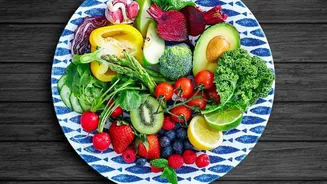
This genetic wiring has a direct and measurable effect on what we choose to eat. The evolutionary purpose of tasting bitterness was to detect potential toxins in plants, giving our ancestors a survival advantage. Today, that same mechanism can make us turn away from perfectly healthy foods. Several studies have shown that supertasters—those highly sensitive to bitterness—are significantly less likely to enjoy and consume vegetables from the Brassica family, which includes cabbage, broccoli, and Brussels sprouts. Some research has found that people who are more sensitive to bitterness may eat up to 25% fewer vegetables than their non-taster counterparts, a substantial difference that can shape the foundation of their diet.
Measuring Overall Diet Quality
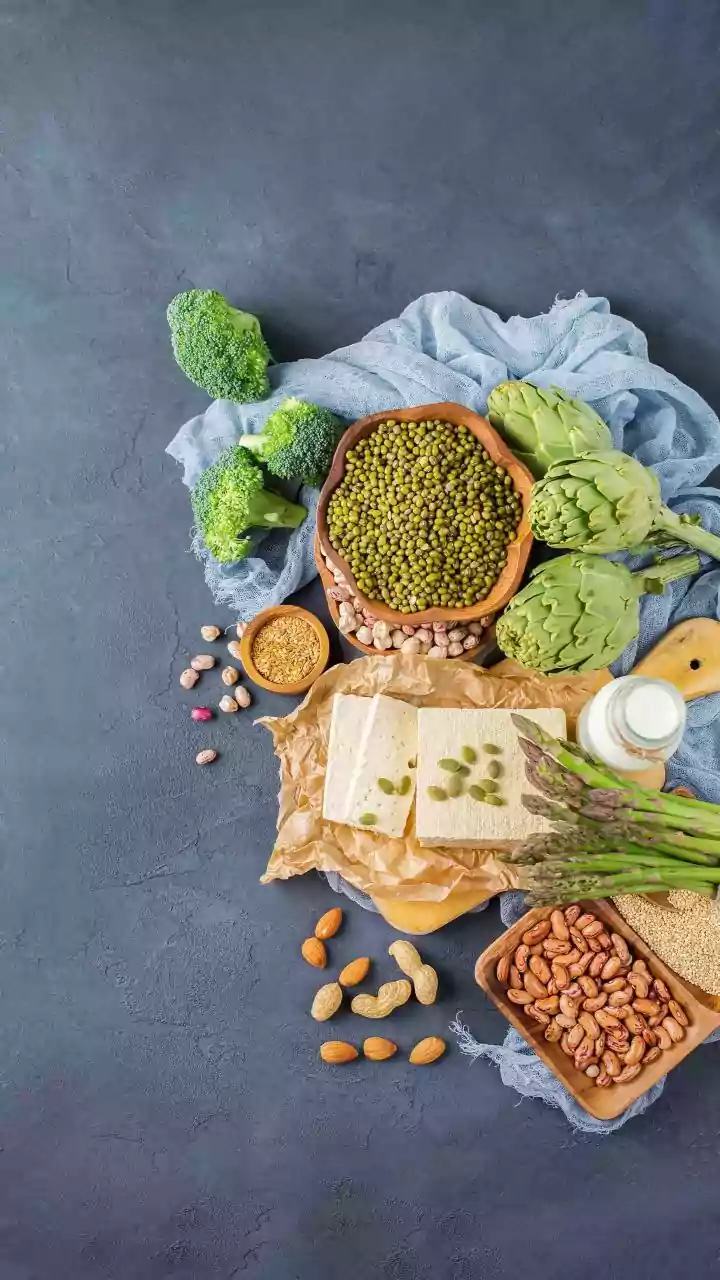
The latest research, including a large-scale Korean study involving thousands of participants, took this concept a step further. Instead of just looking at single food items, scientists evaluated overall 'diet quality' using comprehensive scoring systems like the Korean Healthy Eating Index. They found a tangible association between the TAS2R38 gene variants and a person's total diet score. In essence, individuals with a higher genetic sensitivity to bitter tastes were more likely to have a lower diet quality score. This suggests the aversion to bitter foods isn't just about avoiding a few specific vegetables; it can have a ripple effect, influencing broader dietary patterns and potentially leading to a lower intake of essential nutrients found in a plant-rich diet.
Why It's Not a Health Guarantee
This is where the story gets nuanced, as the headline suggests. While your genes can nudge you toward certain food choices, they don't hand you a guaranteed health outcome. Many studies have struggled to find a direct, consistent link between the TAS2R38 gene itself and clinical health markers like body mass index (BMI), blood pressure, or cholesterol levels. The relationship is indirect: being a supertaster may lead you to eat fewer vegetables, and a diet low in vegetables is a known risk factor for chronic conditions. However, the gene variant itself isn't the direct cause. Your health is ultimately shaped by your overall lifestyle, where diet is just one—albeit important—component.
You Can Outsmart Your Taste Buds
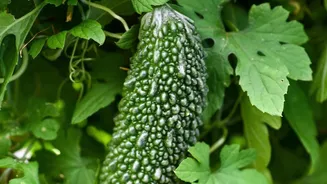
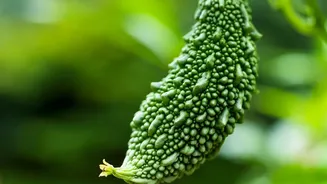
The good news is that your DNA is not your dietary destiny. Culture, habit, and cooking techniques play a massive role in shaping our palates. In India, for example, bitter ingredients like fenugreek (methi) and bitter gourd (karela) are culinary staples. They are made delicious through masterful use of spices, fats like ghee or oil, and acids like tamarind or lemon, which balance and mellow their bitter notes. Roasting vegetables caramelizes their sugars, making them sweeter and less bitter. Pairing them with bold flavors can also train your palate to be more accepting. Rather than seeing a genetic predisposition as a life sentence, you can view it as a starting point for culinary exploration.