




The Monsoon Advantage
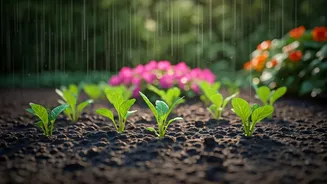
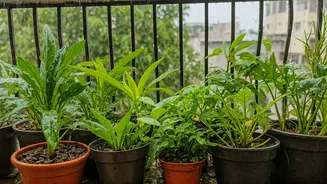
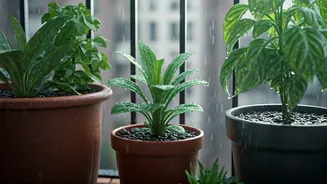
July, for most of India, means the arrival of the monsoon. This season is a blessing for gardeners, especially those with limited space. The consistent rainfall means you'll rarely need to water your plants manually, saving time and effort. The air is thick
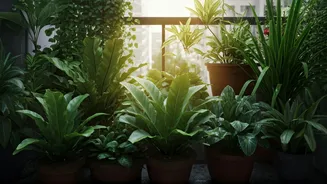
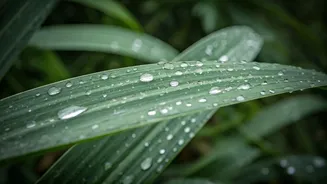
with humidity, which tropical plants absolutely love, encouraging lush, vibrant foliage and new growth. Cooler temperatures provide relief from the scorching summer heat, creating a more favourable environment for a wider variety of plants to not just survive, but thrive. This combination of natural watering, high humidity, and moderate temperatures makes July the perfect launchpad for your dream green space.
What to Plant This Month
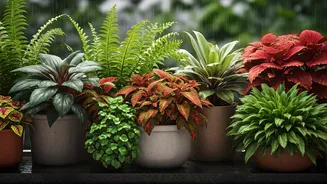
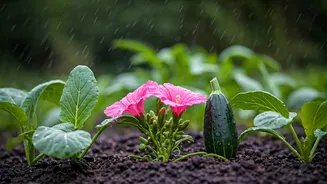
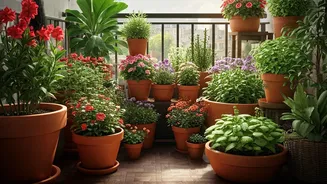
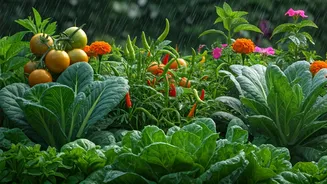
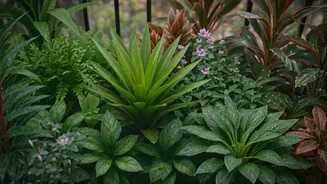
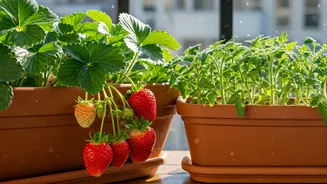
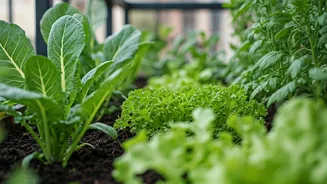
The key to a successful monsoon garden is choosing the right plants. This is the ideal time for leafy greens and vegetables that flourish in moist conditions. Consider planting spinach (palak), fenugreek (methi), and coriander (dhaniya). Many gourds, such as bottle gourd and bitter gourd, also do exceptionally well when planted now. For a splash of colour, opt for classic monsoon flowers like hibiscus, jasmine (mogra), balsam (gul mehndi), and marigolds. Fragrant herbs like mint and holy basil (tulsi) will also thrive, filling your balcony with delightful scents, especially after a fresh shower. Even rhizomes like ginger and turmeric can be planted in pots, as they love the wet and warm conditions.
Smart Potting and Soil Preparation
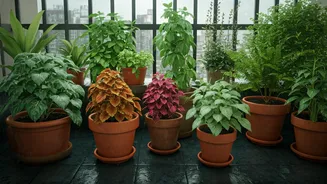
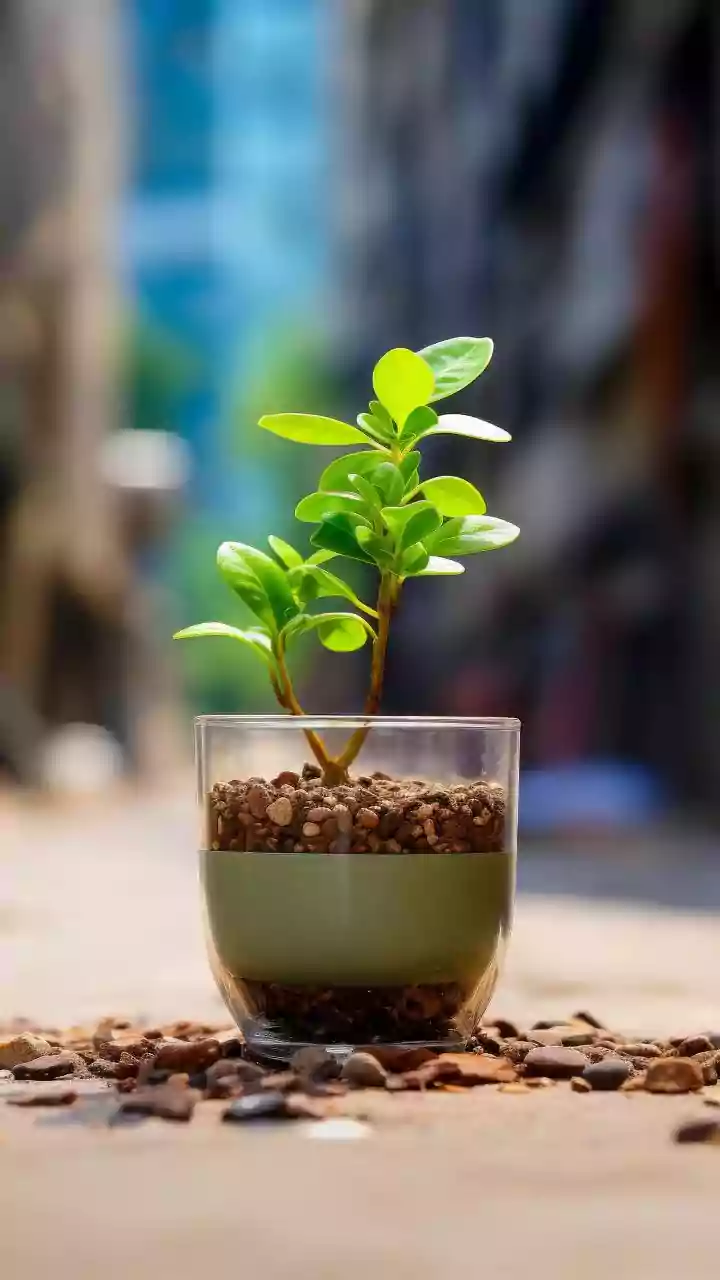
While rain is beneficial, too much of a good thing can be a problem. The number one enemy of potted plants during the monsoon is waterlogging, which can lead to root rot. To prevent this, ensure every pot has ample drainage holes at the bottom. It's also wise to elevate your pots using bricks or pot stands to allow excess water to escape freely and improve air circulation around the roots. Use a light, well-draining potting mix. A good combination is soil, compost, and an aeration material like cocopeat or perlite. This creates a medium that retains enough moisture without becoming a soggy mess.
Essential Monsoon Care
Your gardening duties shift slightly during the monsoon. Instead of a fixed watering schedule, your main job is to manage the excess water. After a heavy downpour, it's a good practice to gently tilt smaller pots to drain any standing water. If possible, move more delicate plants to a sheltered spot during torrential rain. Good air circulation is crucial to prevent fungal growth in the humid environment. Avoid overcrowding your plants and consider light pruning to open them up, allowing air to move freely through the foliage. Always check the soil before watering manually; if the top inch feels moist, hold off.
Watching for Pests and Diseases
High humidity and constant moisture create a breeding ground for pests and fungal diseases. Be vigilant and inspect your plants regularly for early signs of trouble, such as white powdery mildew on leaves, dark spots (anthracnose), or wilting despite wet soil. Root rot is a major risk, often indicated by yellowing leaves and a foul smell from the soil. To combat these issues, ensure good drainage and airflow. A preventive weekly spray of neem oil mixed with a few drops of liquid soap can work wonders in keeping many common pests and fungal issues at bay. If you spot any diseased leaves, prune them immediately to prevent the infection from spreading.