







The Twin Burdens of Farming
Agriculture in many parts of Maharashtra has long been a gamble. Farmers are heavily dependent on seasonal rains, which can be erratic. To supplement this, they rely on electric pumps to draw water from wells and borewells. However, the electrical supply
in many rural areas is often unreliable, with frequent cuts and voltage fluctuations that can damage equipment. This leaves crops vulnerable at critical growing stages. For those without access to the grid, the alternative is expensive and polluting diesel pumps, which can cost a farmer anywhere from ₹30,000 to ₹80,000 a year in fuel alone. This dual dependency on unpredictable weather and a shaky power infrastructure has kept farm incomes low and instability high.
Enter the Off-Grid Solution
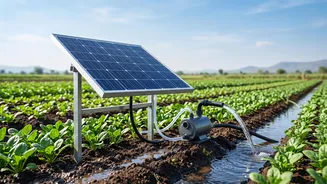
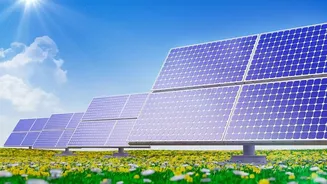
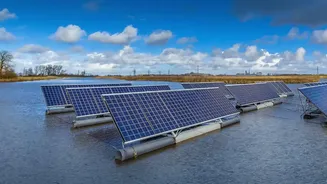
Off-grid micro-pumps, overwhelmingly powered by solar energy, are emerging as a powerful solution. These are small, standalone irrigation systems that operate completely independently of the electrical grid. A typical setup consists of a few solar panels connected to a motor pump set, which draws water from a source like a borewell, pond, or river. Because they run on sunlight, they provide farmers with a dependable water supply during the day, which is when irrigation is most needed. This technology liberates farmers from waiting for rain or scheduled power, giving them control over their irrigation schedules for the first time.
The Power of Government Support
The high initial cost of solar pump systems has been a major barrier to adoption. A system can cost over ₹1,40,000 depending on its capacity. Recognizing this, the central and state governments have introduced significant subsidies to make the technology accessible. Schemes like the Pradhan Mantri Kisan Urja Suraksha evam Utthaan Mahabhiyan (PM-KUSUM) and Maharashtra's own 'Magel Tyala Saur Krushi Pump Yojana' are game-changers. Under these initiatives, farmers may only need to pay 5-10% of the total cost, with the rest covered by central and state subsidies. This financial support has been crucial in driving one of the largest solar irrigation programs in the world, with Maharashtra installing hundreds of thousands of pumps.
A Harvest of Benefits
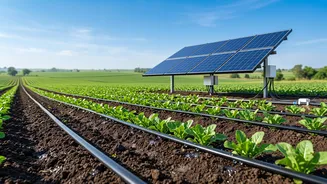
The impact on the ground is transformative. With a reliable water source, farmers can confidently plant second or even third crops, moving beyond rain-fed staples like paddy. A recent project in Palghar district, for example, helped farmers cultivate 96 acres of land with new cash crops like groundnuts and vegetables, significantly reducing the need for seasonal migration to cities for work. The benefits are clear: reduced or eliminated electricity and diesel bills, low maintenance costs, and a significant boost in crop yields and income. When combined with efficient techniques like drip irrigation, the impact is even greater, saving water and further increasing productivity. Studies have shown that micro-irrigation can increase yields by 15% to 66% for various crops in the region.
Challenges on the Horizon
Despite the success, challenges remain. While subsidies are essential, the upfront cost can still be a hurdle for the smallest and most marginal farmers. Another significant concern is the potential for groundwater over-extraction. With free and abundant energy from the sun, there's a risk of farmers pumping more water than is sustainable, which could deplete already stressed aquifers. Experts argue that any large-scale solar pump program must be integrated with policies for responsible water management, such as promoting water-efficient crops and micro-irrigation techniques, to ensure the long-term sustainability of this agricultural revolution.