




From Paddy Fields to Purifiers
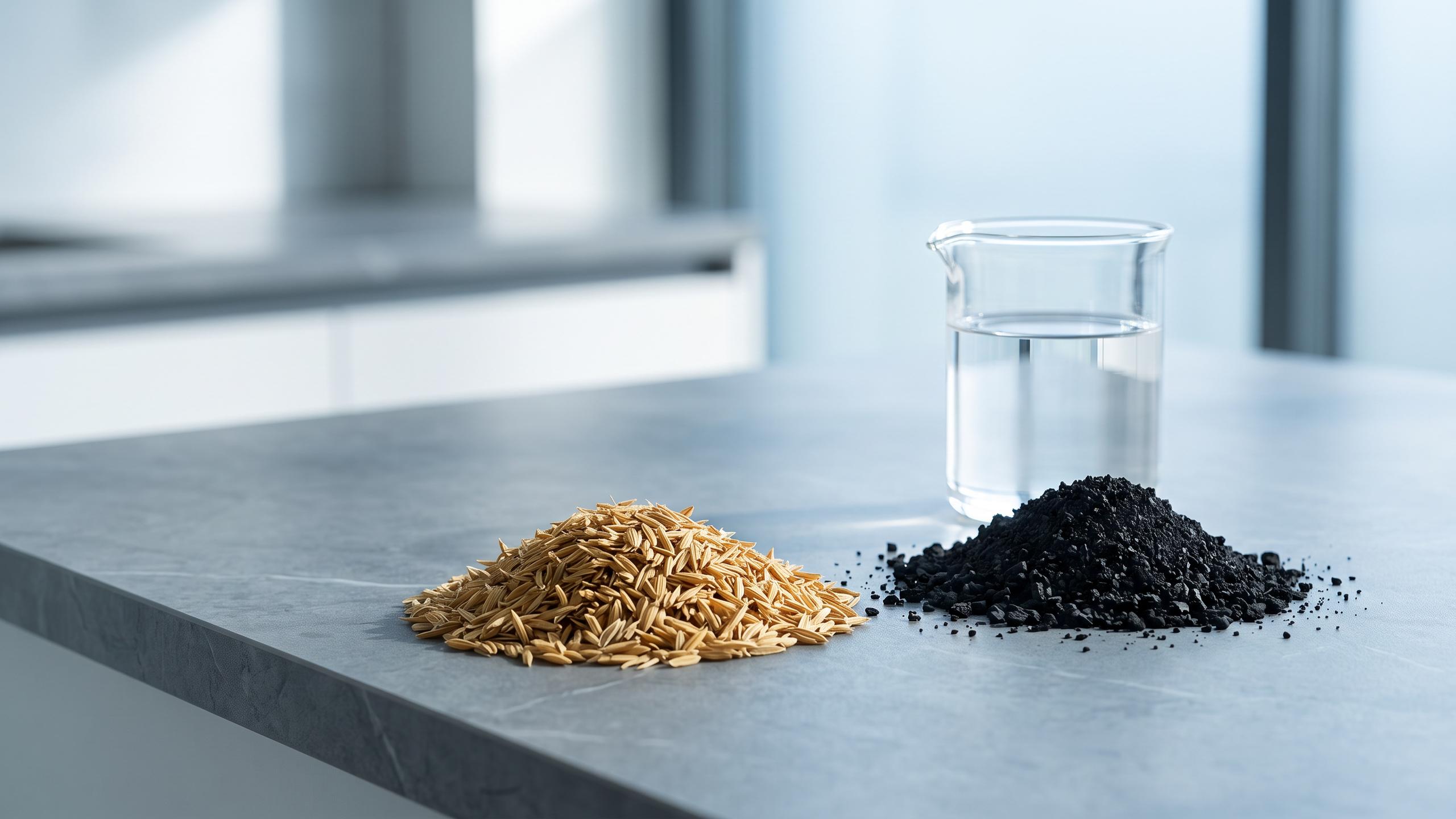
Every year, India produces millions of tonnes of rice, and with it, millions of tonnes of rice husks. This agricultural byproduct is often burned or dumped, creating pollution and waste. But what if it could be transformed into something valuable? This is where
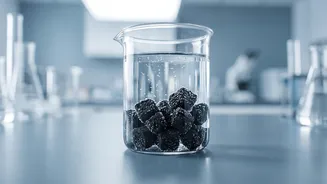
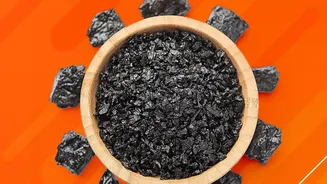
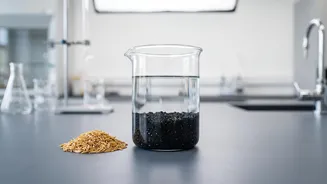
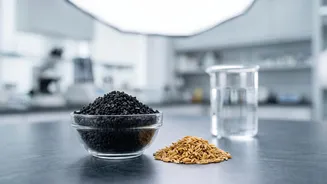
bio-char comes in. Bio-char is a special kind of charcoal created by heating biomass, like rice husks, at high temperatures in a low-oxygen environment. This process, called pyrolysis, doesn't just burn the husks; it fundamentally changes their structure, turning them into a highly porous, carbon-rich material that is incredibly effective at cleaning water. It's a perfect example of a circular economy, where one industry's waste becomes a critical raw material for another.
The Science of a Super Sponge
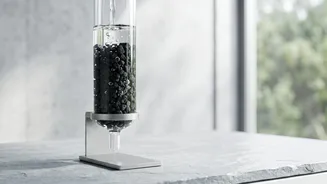
So, how does this blackened rice husk actually clean water? The magic lies in its structure. The pyrolysis process creates a vast network of microscopic pores and channels within the bio-char, giving it an enormous internal surface area. Think of it as a super-sponge. When contaminated water passes through a bio-char filter, this huge surface acts like a magnet for pollutants. This process is called adsorption, where impurities physically stick to the surface of the carbon. It’s effective at trapping a wide range of harmful substances, including heavy metals like lead and arsenic, organic chemicals from pesticides and industrial waste, and even some pharmaceuticals. Recent studies have even found that bio-char doesn't just trap some pollutants; it actively breaks them down through electron transfer, essentially destroying them on contact.
A Truly Low-Cost Solution
For decades, the gold standard for this type of water purification has been activated carbon. While highly effective, commercial activated carbon is expensive to produce, limiting its widespread use, especially in smaller towns and communities. Bio-char made from rice husks presents a game-changing alternative. The raw material is not just cheap, it's often free and readily available across the country. The production process can be simpler and more cost-effective than industrial activation methods. This drastically lowers the barrier to entry, making it possible to build effective, decentralized water treatment systems for communities that need them most. Studies have even shown it can be a cost-effective method for removing specific contaminants like fluoride, a major issue in the groundwater of many Indian states.
Potential and Practical Hurdles
The potential for rice husk bio-char in India is immense. It addresses two critical national issues simultaneously: managing agricultural waste and providing access to clean water. Researchers in India have already demonstrated its effectiveness in removing local contaminants like fluoride and cadmium. The technology is versatile and can be used in everything from large municipal treatment plants to small, household-level filters. However, the path to widespread adoption has its challenges. Creating a consistent, high-quality product is crucial, as the performance of bio-char can vary depending on the production conditions. Scaling up production from the lab to an industrial level and ensuring filters are properly maintained requires careful planning and investment. Despite these hurdles, the promise of this technology is too great to ignore.