





The Dark Store Capital of India
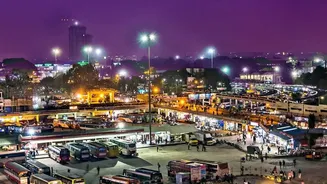
Bengaluru has quietly become the epicentre of India's quick-commerce revolution. The city is home to over 629 dark stores, more than any other metro, including Delhi and Mumbai. This accounts for over 11% of the entire country's dark store footprint concentrated
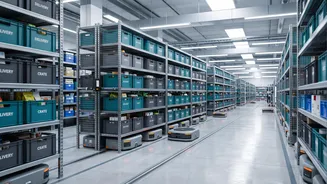
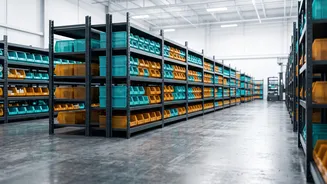
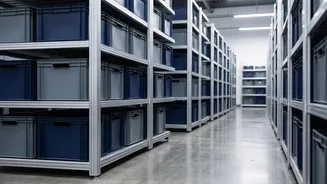
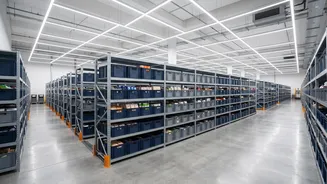
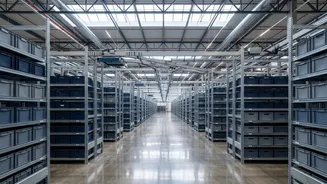
in a single urban area. These are not traditional shops but small, windowless warehouses, typically 2,500 to 4,000 square feet, located in dense residential neighbourhoods and optimised for one thing: getting groceries, electronics, and other essentials to your doorstep in minutes. This intense concentration is no accident. It’s driven by the city's tech-savvy demographic, high disposable income, and notoriously difficult traffic, which makes a 10-minute delivery service more of a utility than a luxury for many time-poor professionals.
Reshaping Bengaluru's Real Estate
The explosion of dark stores is causing a significant shift in the city's commercial real estate market. Property owners are increasingly leasing ground-floor spaces, old commercial properties, and formerly vacant retail units to quick-commerce companies. For landlords, these companies are attractive tenants; they sign longer leases, pay reliably, and expand aggressively, often yielding 30-40% higher returns than traditional retailers. In Bengaluru, rental rates for these spaces range from ₹60 to ₹100 per square foot. This trend is revitalising underused properties but also driving up commercial rents in residential areas, fundamentally changing property values based not on footfall, but on logistical efficiency. However, this has also led to complaints from residents about increased traffic and noise in otherwise quiet neighbourhoods.
The Reality for the Gig Worker
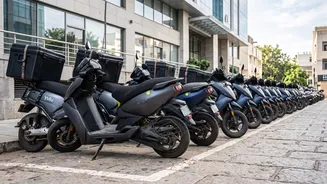
While the expansion creates jobs, the headline 'national job forecast' often masks a more complex reality for delivery partners. In Bengaluru, these workers navigate immense pressure, working long hours to meet demanding targets in a city known for its traffic congestion. Many work 9 to 12-hour shifts, often in extreme weather, to earn a liveable income. Earnings can be inconsistent, with platforms frequently adjusting incentive structures. One delivery partner in Bengaluru noted that while they were initially paid ₹40 per order during peak times like rain, that amount has since dropped. The race for 10-minute delivery also adds pressure, with labour unions arguing it puts workers' lives at stake by encouraging risky riding, a claim companies deny by stating they optimise routes, not speed.
A Murky Regulatory Landscape
The rapid proliferation of dark stores operates in a regulatory grey area. These establishments don't fit neatly into existing legal categories—they are part warehouse, part retail shop, and part food establishment, creating uncertainty for city planners. Concerns range from zoning law violations, as many operate in designated residential areas, to food safety oversight. While agencies like the FSSAI have started to increase inspections, there is no separate rulebook designed for the high-velocity operations of a dark store. Furthermore, there is ongoing scrutiny from bodies like the Department for Promotion of Industry and Internal Trade (DPIIT) over whether these models comply with FDI regulations that distinguish between marketplace platforms and inventory-led businesses.
The Competitive Battleground
Bengaluru is not just the capital of dark stores; it's also the most fiercely contested market. All five major players—Blinkit, Zepto, Swiggy Instamart, Flipkart Minutes, and BigBasket—are present and locked in a tight race. Blinkit holds a narrow lead with 165 stores, closely followed by Zepto at 159. Swiggy Instamart, with its headquarters in the city, leverages deep local knowledge. This intense competition means that for customers, service availability is almost universal across major localities. The deciding factor for delivery speed often isn't which platform has more stores city-wide, but which local store is best staffed and stocked at that specific moment. This hyper-competition is what fuels the constant expansion, as each platform jockeys for a dominant position in every neighbourhood.