

A World Built on Coral
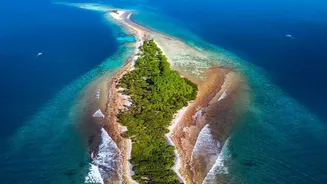
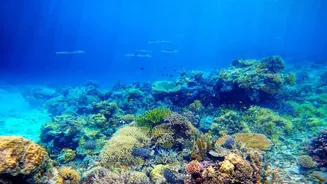
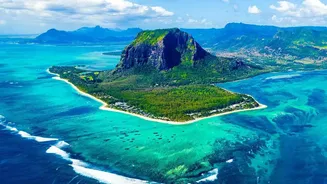
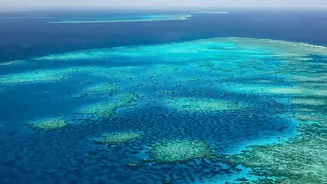
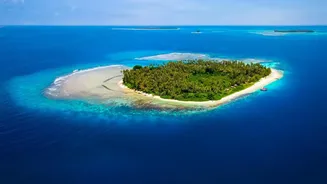
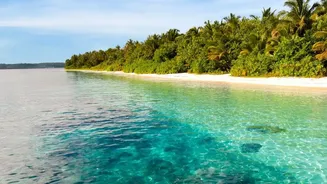
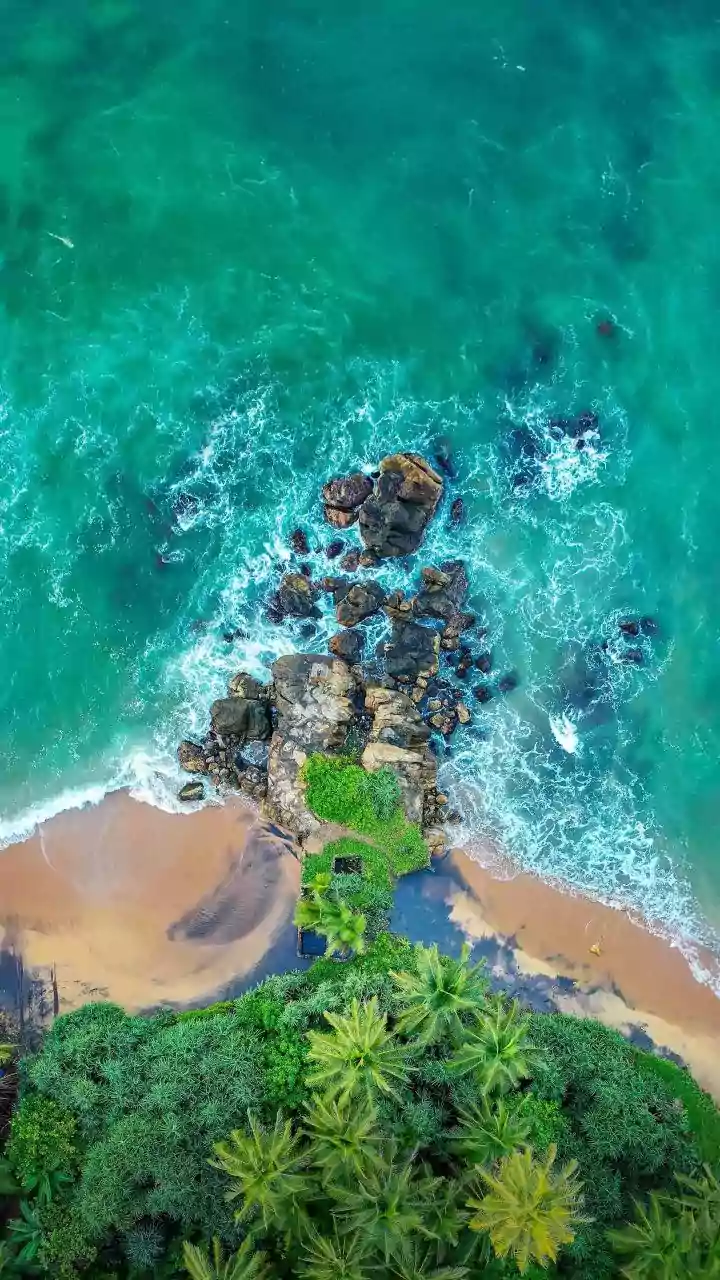
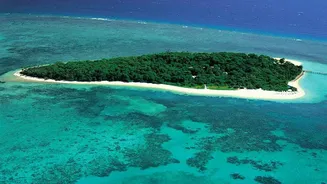
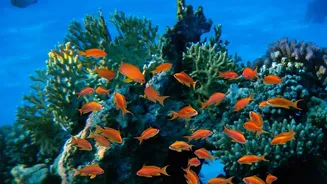
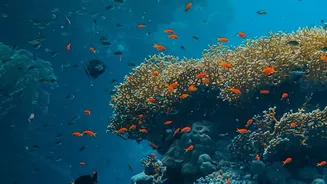
The Lakshadweep archipelago is a unique chain of 36 islands, many of which are coral atolls—ring-shaped reefs that have grown over millennia. These atolls and their surrounding reefs are not just beautiful; they are the very bedrock of the islands, protecting
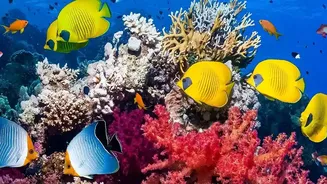
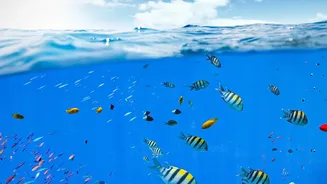
them from ocean waves and coastal erosion. This delicate ecosystem is a sanctuary for hundreds of species of fish, turtles, and other marine life, making it one of India's richest biodiversity hotspots. The lagoons, with their calm, crystal-clear waters, are nurseries for marine creatures and a vital source of livelihood for the local communities who have been stewards of these islands for generations.
The Pressures of Paradise
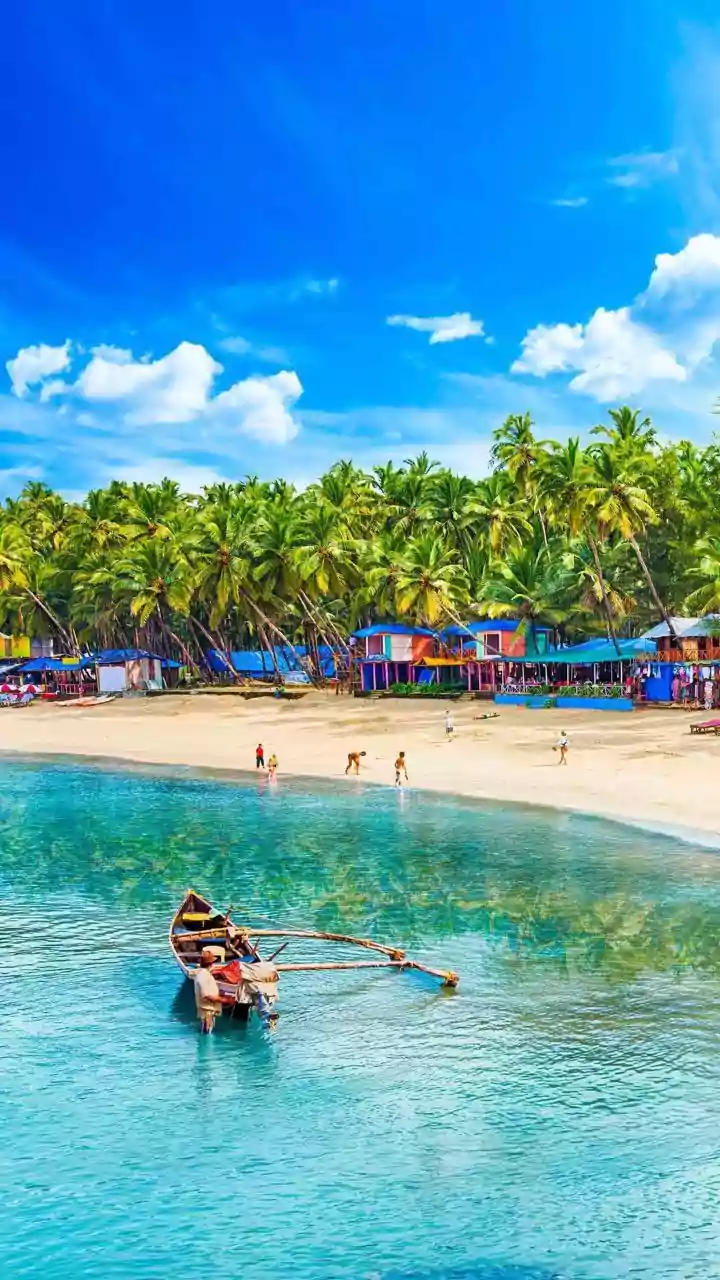
This fragile paradise faces significant threats. Climate change has led to rising sea temperatures, causing mass coral bleaching events that strip the reefs of life and colour. Studies show a drastic decline in live coral cover in recent decades. On top of this, human activity brings its own pressures. Plastic pollution is a severe crisis, with waste threatening the health of marine animals and the reefs themselves. Unregulated tourism can lead to physical damage of corals from boat anchors and inexperienced snorkelers, while coastal development can pollute the pristine waters.
A Blueprint for Sustainable Shores
In response to these threats, the Lakshadweep administration and local communities have championed a model of eco-tourism focused on preservation. One of the most impactful measures is the complete ban on single-use plastics, which significantly cuts down on marine litter. Tourism is also deliberately controlled; visitor numbers are limited through a system of entry permits, preventing the kind of over-tourism that has damaged other coastal destinations. This strategy ensures that the islands' limited resources, like fresh water and waste management facilities, are not overwhelmed. The focus is on low-impact, high-value tourism that respects the archipelago's carrying capacity.
How Mindful Practices Heal the Reefs
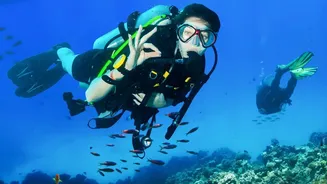
Eco-friendly practices directly counteract the primary threats to the atolls. By promoting responsible diving and snorkelling, operators ensure that visitors do not touch or damage the fragile coral colonies. Many resorts are built with sustainability in mind, using solar power, rainwater harvesting, and robust waste management systems to minimise their environmental footprint. Choosing to stay in these eco-resorts or community-run homestays channels revenue directly back into the local economy, creating a powerful incentive for conservation. Furthermore, coral restoration projects, sometimes involving tourists, help to actively rebuild damaged sections of the reef, giving them a chance to recover.
The Tourist as a Guardian
Every visitor to Lakshadweep plays a role in its preservation. The journey begins before you even arrive, by packing reusable water bottles and avoiding disposable plastics. Once there, choosing sustainable activities like kayaking or guided nature walks over high-impact sports helps protect the environment. Opting for reef-safe sunscreen is a small but crucial step, as common chemical sunscreens contain ingredients toxic to corals. By respecting local customs, supporting local businesses through the purchase of handicrafts, and engaging with community-based tourism, travellers become active partners in a sustainable model that benefits both the people and the planet.