





A Monsoon of Extremes
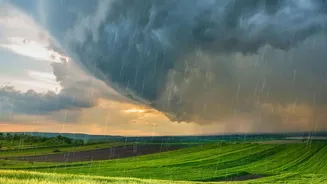
The June to September monsoon season in 2026 has been a story of contrasts. While some regions, particularly in eastern and central India, received adequate to heavy rainfall, others faced significant shortfalls. The overall national picture points to a deficit,
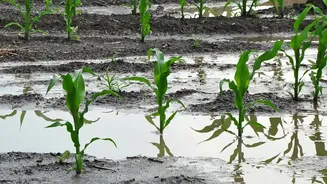
with cumulative rainfall below the long-period average, influenced partly by developing El Niño conditions. This spatial distortion, one of the most significant in recent years, meant that key agricultural belts in southern and northern India experienced prolonged dry spells, impacting the summer Kharif crops and, more critically, setting the stage for the upcoming Rabi season. The erratic nature of the rain—coming in intense bursts rather than steady showers—has created a complex situation on the ground.
Why Monsoon Matters for Winter Crops
The Rabi season, which begins with sowing in October and November, is heavily dependent on the preceding monsoon. Unlike the rain-fed Kharif season, Rabi crops like wheat, mustard, and gram (chana) rely on two primary sources of water: residual moisture left in the soil by the monsoon and irrigation from reservoirs. A good monsoon recharges groundwater levels and, most importantly, fills India’s vast network of reservoirs. Deficient rainfall means less stored water for irrigation during the dry winter months, putting crop health and yields at risk. This year, with soil moisture depleted in many areas due to an uneven monsoon, the reliance on reservoir water will be even more critical for farmers.
The Reservoir Report Card
The current state of India’s water reservoirs is a direct reflection of the patchy monsoon. As of mid-September, overall water storage in major reservoirs is below the ten-year average. The situation varies dramatically by region. Reservoirs in western and central India have seen a recovery and are at healthy levels, but storage in the northern and southern regions remains sharply below normal. The southern region, which is heavily dependent on reservoir irrigation, is a particular area of concern, with storage levels significantly lower than both the previous year and the long-term average. This shortfall in stored water could directly impact the acreage and productivity of Rabi crops in these states, forcing farmers to either reduce cultivation or depend on more expensive groundwater.
Crops and Costs Under Pressure
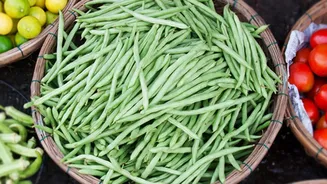
The primary Rabi crops are staples of the Indian diet. Wheat, the backbone of the season, along with pulses like chana (gram) and oilseeds like mustard, are all under watch. While a potential contraction in sown area is a concern, the greater risk lies in lower yields if irrigation needs are not met. Any significant drop in the production of these essential commodities can have a direct impact on food inflation. With food inflation already elevated—hovering around 6% in August—a strained Rabi harvest could exert further upward pressure on prices. The cost of vegetables, pulses, and edible oils in the first half of 2027 will be closely tied to the water available to farmers in the coming months.
The Government's Outlook
Despite the challenges, government officials have expressed cautious optimism. India's Chief Economic Adviser, V. Anantha Nageswaran, recently stated that the monsoon shortfall is manageable and that he does not expect the high food inflation seen in August to persist through the end of the year, anticipating a strong crop output. The government's confidence stems from factors like improved sowing in some areas despite rainfall volatility and the hope that late-season rains and potential winter showers could improve conditions. However, independent experts remain watchful, noting that the combination of a strengthening El Niño and low reservoir levels in key farming states continues to pose a significant downside risk to the agricultural sector and the broader economy.