






The Challenge of a Crowded Market
India's café market is expanding at a remarkable pace, with industry estimates projecting significant double-digit growth. While this boom signifies a growing urban appetite for café culture, it also brings intense competition. For every major international
chain, there are dozens of independent cafés vying for the same customers. In cities like Mumbai and Bengaluru, the market is particularly saturated. This leaves small business owners asking a critical question: in a sea of lattes and espressos, how does a new or independent café make its mark? The answer, it seems, lies not in copying global trends, but in looking inward.
A Return to Traditional Roots
Enter hibiscus and kokum. Long before they were ingredients in trendy café coolers, these botanicals were staples in Indian households. Hibiscus, or 'gudhal', is a familiar flower often used in religious ceremonies and traditional hair care. Kokum, a small, red fruit native to the Western Ghats, is a cornerstone of regional cuisines, prized for its souring properties and its use in refreshing 'sherbets'. A new wave of chefs and café owners is now rediscovering these indigenous ingredients, not just for their nostalgic value, but for their potential to create entirely new flavour experiences that are uniquely Indian. This shift towards local sourcing and heritage recipes is allowing independent establishments to tell a compelling story that larger chains often cannot.
The Allure of Flavour and Wellness
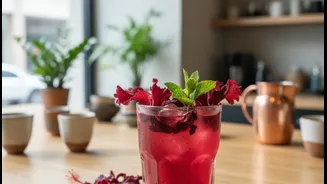
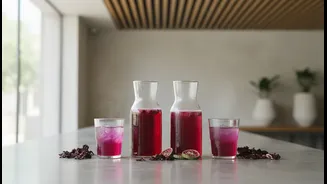
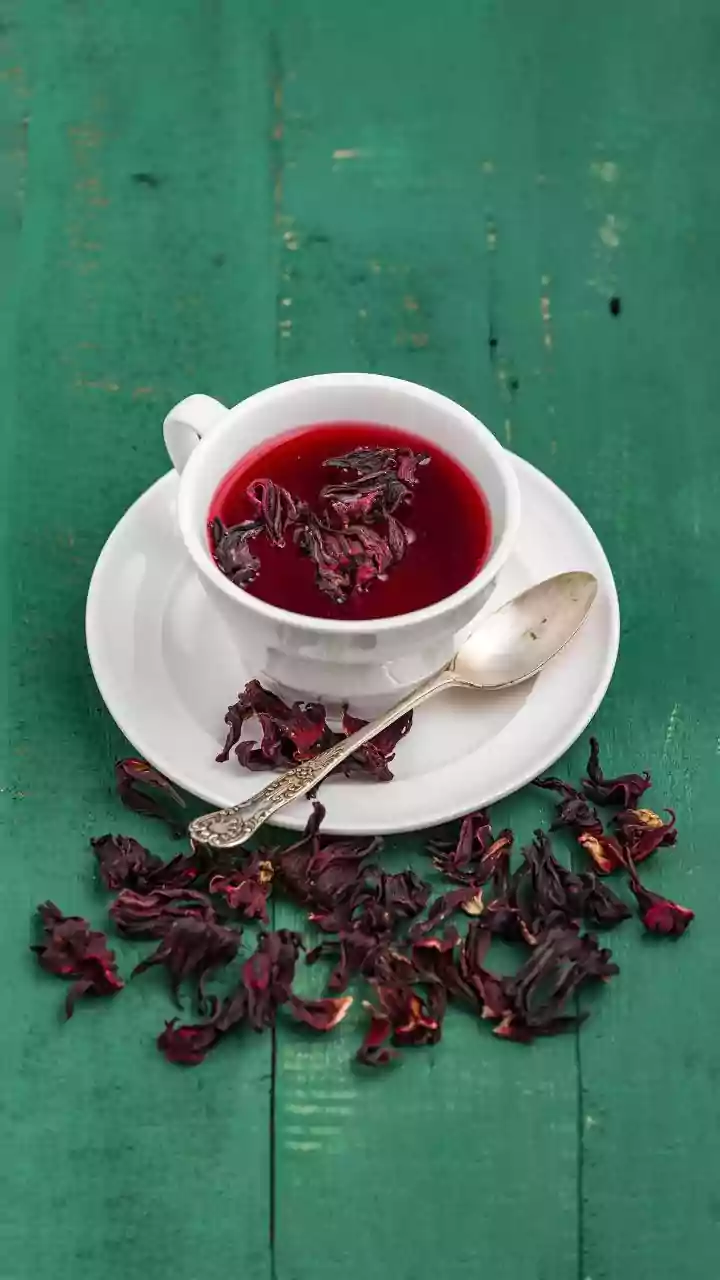
The appeal of hibiscus and kokum goes far beyond their local credentials. Both ingredients offer complex flavour profiles and significant health benefits that align perfectly with the modern consumer's growing wellness consciousness. Hibiscus infusions have a vibrant, deep red hue and a tart, cranberry-like flavour. They are naturally caffeine-free and packed with antioxidants and Vitamin C. Traditionally, hibiscus has been used to aid digestion and support heart health. Kokum delivers a tangy, slightly sweet, and deeply refreshing taste, making it a natural coolant. It’s known to be an excellent digestive aid. By featuring these ingredients, cafés are catering to customers who are actively seeking beverages that offer more than just a caffeine hit; they want drinks that are flavourful, visually appealing, and functional.
The Strategy Behind the Sip
Offering a hibiscus iced tea or a sparkling kokum cooler is more than just a menu update; it's a savvy business strategy. These unique, non-coffee beverages serve as a powerful differentiator. They signal to customers that the café is creative, thoughtful, and connected to local traditions. For consumers increasingly interested in authenticity and memorable experiences, a menu that highlights indigenous ingredients is a major draw. It allows smaller cafés to carve out a niche, attracting patrons who are bored of standardised chain menus and are eager to try something new. Furthermore, these colourful drinks are highly 'Instagrammable', providing free and effective marketing every time a customer shares a photo online. This focus on unique, experiential offerings is how independent cafés are turning soul and story into a tangible market advantage.
From Niche to Mainstream
What starts in independent cafés often signals a broader shift in consumer taste. The growing popularity of functional beverages featuring ingredients like hibiscus, turmeric, and ashwagandha is already being noted across the beverage industry. Cafés are presenting these flavours in innovative formats, from Lychee Hibiscus smoothies to artisanal tea blends and sophisticated, non-alcoholic spritzers. This trend is part of a larger movement in Indian cuisine to celebrate and elevate regional products. By championing these ingredients, independent cafés are not just creating delicious drinks; they are acting as laboratories for the future of Indian food and beverage culture, proving that authenticity can be a powerful engine for growth and differentiation.