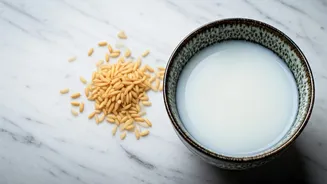







The Viral Sensation Explained
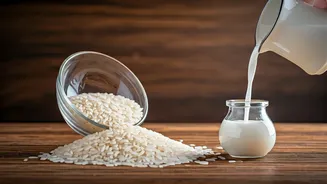
If you’ve spent any time on Instagram Reels or TikTok, you’ve likely encountered the rice water phenomenon. Videos showcasing dramatic before-and-after hair transformations have garnered millions of views, all credited to one simple, milky-white liquid:
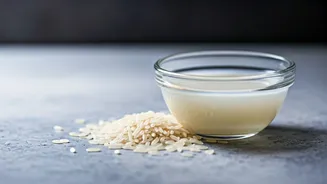
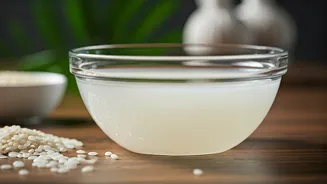
the starchy water left over after rinsing or boiling rice. It’s being hailed as a miracle solution for everything from accelerating hair growth to achieving a glass-like shine. This isn't just a fleeting fad; it’s a full-blown movement, tapping into the growing desire for natural, DIY, and budget-friendly beauty solutions. In a world of complex, multi-step routines, the appeal of a single-ingredient fix, rooted in tradition and easily made at home, is undeniable.
An Ancient Beauty Ritual Reborn
While rice water may be new to your social media feed, it’s far from a new discovery. Its use as a beauty treatment dates back centuries in Asia. Most famously, the Yao women from the village of Huangluo in China are celebrated for their exceptionally long, strong, and healthy hair, which they traditionally wash with fermented rice water. Their hair often doesn't start greying until they are in their 80s. This practice is a cornerstone of their culture and is listed by the Guinness Book of World Records as the “world’s longest hair village.” This historical context gives the trend a layer of authenticity and mystique that many modern, lab-formulated products lack. It’s a story of an age-old secret being rediscovered and shared with a global audience.
The Big Claims: Miracle Growth and Flawless Skin?
The promises attached to rice water are bold. For hair, influencers claim it can dramatically speed up growth, reduce split ends, detangle knots, add immense shine, and increase volume and elasticity. The logic is that the nutrients in the water penetrate the hair shaft, repairing it from the inside out. The trend has also crossed over into skincare, with proponents suggesting that a splash of rice water can soothe irritated skin, tighten pores, and brighten the complexion. These claims are powerful because they address some of the most common beauty concerns with a solution that costs next to nothing, making it accessible to everyone.
What the Science Actually Says
So, is there any science to back up the hype? The answer is a qualified yes. Rice water is rich in amino acids, which are the building blocks of protein and essential for hair strength. It also contains vitamins B and E, minerals, and an antioxidant called ferulic acid. The star ingredient, however, is thought to be inositol, a carbohydrate that studies suggest can penetrate damaged hair and remain inside, offering continued protection and repair. Dermatologists and trichologists agree that rice water can help smooth the hair cuticle and reduce surface friction, which makes hair feel softer and look shinier. However, there is no robust scientific evidence to prove it directly stimulates or speeds up hair growth. It can improve the health of existing hair, but it's not a magical growth serum.
How to Make Your Own Rice Water Rinse
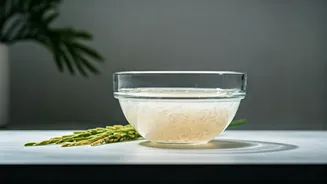
Ready to try it for yourself? Making rice water is incredibly simple. There are two popular methods: 1. **The Soaking Method:** Take half a cup of uncooked rice (any kind will do), rinse it once, and then add 2-3 cups of water. Let it soak for at least 30 minutes, or up to 24 hours at room temperature to ferment it. Swirl it around until the water turns cloudy, then strain the water into a clean bottle. 2. **The Boiling Method:** Simply use the excess water left over after you’ve boiled rice for a meal. Let it cool completely before using it. To use, shampoo and rinse your hair as usual. Then, pour the rice water over your hair, massaging it into your scalp and strands. Leave it on for up to 20 minutes before rinsing thoroughly with plain water.
Know the Potential Downsides
While generally safe, rice water isn't for everyone. Because it contains proteins, frequent use can lead to “protein overload” in people with low-porosity hair. This can make hair feel dry, stiff, and brittle—the opposite of the desired effect. If you have this hair type, use the rinse sparingly, perhaps once or twice a month. For others, a weekly treatment is usually sufficient. As with any new product, it’s wise to do a patch test on your skin to check for any allergic reaction before applying it liberally to your scalp.