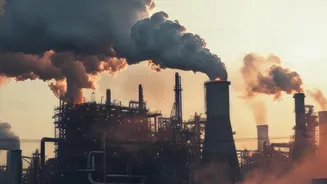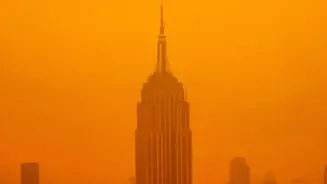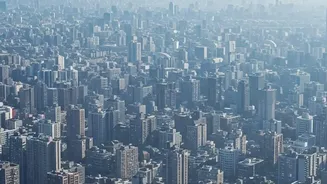







The grey haze that blankets many Indian cities is more than just a grim sight; it's a crippling economic burden. The relentless rise in air pollution is silently siphoning billions from the nation's economy, placing immense strain on healthcare.
The Staggering Financial Toll
The economic
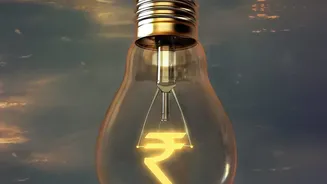
cost of India's toxic air is staggering. A recent Lancet report highlighted that premature deaths linked to outdoor air pollution cost India an estimated $339.4 billion in 2022, which is equivalent to a staggering 9.5% of the country's GDP. This isn't an abstract number; it represents a direct drag on national growth and prosperity. Another analysis by FICCI-EY corroborates this, placing annual business losses at around $95 billion due to factors like lower worker productivity and operational inefficiencies. These figures show that the failure to ensure clean air is not just an environmental lapse but a significant economic crisis that impedes India's developmental aspirations.
From Smog to Soaring Medical Bills
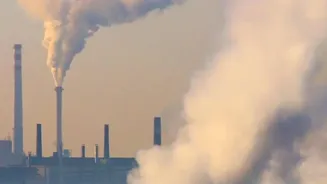
For ordinary families, the economic pain of pollution is felt most acutely through rising healthcare costs. Fine particulate matter like PM2.5, a key pollutant from vehicle emissions and industrial activity, penetrates deep into the lungs and bloodstream. This triggers or worsens a host of chronic and expensive diseases, including heart disease, stroke, lung cancer, and diabetes. Consequently, Indian households are facing a sharp rise in out-of-pocket medical expenses. Recent insurance data reveals that claims associated with pollution-related illnesses have surged more than fourfold in just three years. Cardiovascular conditions now account for over 43% of these claims, a clear sign that the impact goes far beyond just respiratory issues. This financial burden falls heaviest on those with the least capacity to absorb it, turning a public health crisis into a household budget crisis.
A Burden on Public Health Infrastructure
The escalating health crisis is also placing the nation's public healthcare system under immense pressure. Hospitals and clinics, particularly in urban centres, are witnessing a growing influx of patients suffering from ailments directly linked to poor air quality. This increased demand for care for chronic conditions like asthma and COPD strains limited resources and diverts funds that could be used for other essential health programs. In 2019, the economic loss from lost output due to pollution was estimated at 1.36% of India's GDP, a figure that is more than a third of the country's total health expenditure for that year. This highlights a vicious cycle where the government and citizens are forced to spend more on treating preventable illnesses, leaving fewer resources for proactive and preventive healthcare.
Lost Productivity and Human Capital
The economic damage extends beyond direct medical costs. Air pollution is a major drain on India's workforce and productivity. A report noted that India loses an estimated 1.3 billion working days annually due to pollution-related health issues, as sick workers stay home or perform with reduced efficiency—a phenomenon known as 'presenteeism'. The impact is particularly pronounced on days with dangerously high pollution levels, when worker efficiency can drop by as much as 8-10%. Furthermore, the long-term effects on human capital are deeply concerning. Exposure to toxic air in childhood can lead to reduced cognitive function and lower lifetime earnings, creating a drag on the economy for decades to come.
An Economic Case for Clean Air
While the costs are immense, tackling air pollution presents a significant economic opportunity. Investing in cleaner air is not a cost but a strategic investment in public health and economic resilience. Research from Dalberg Advisors suggests that even a 20% reduction in PM2.5 levels could unlock an estimated $220 billion economic opportunity by 2030, driven by productivity gains and lower healthcare costs. This underscores a crucial point: every rupee spent on reducing emissions from power plants, vehicles, and industry is also an investment in a healthier, more productive workforce and a more robust economy. The path forward requires treating clean air not as a luxury, but as an economic and social imperative.