


Bringing fresh flowers into your home is a simple joy. Before you reach for a standard vase, look around. Your kitchen and cupboards are full of creative, sustainable options waiting to be discovered with just a little bit of know-how.
Why Your Choice of Vase Matters
The container you
choose for your fresh-cut flowers does more than just hold them upright; it plays a crucial role in their lifespan. The right vase should be stable enough to support your bouquet, made of a material that doesn't harm the stems, and clean enough to prevent bacterial growth. An unsuitable or dirty container can quickly turn your beautiful blooms into a drooping disappointment. The key is to select items that are non-reactive and easy to scrub, ensuring the water stays fresh and the flower stems can absorb it efficiently. Thinking about safety and cleanliness from the start will help you enjoy your flowers for much longer.
The Timeless Choice: Glass Jars and Bottles
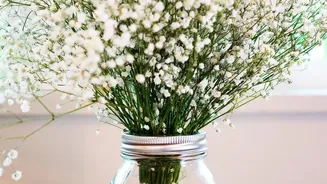
Glass is one of the best materials for a flower vase because it's inert, meaning it won't react with the water or the flower food. This makes your collection of empty jam jars, sauce bottles, wine bottles, and other glass containers perfect candidates for upcycling. They are easy to clean thoroughly, and their clear sides let you monitor the water level and clarity at a glance. For a clean look, soak the jars in warm, soapy water to remove labels. For a more rustic aesthetic, you can leave the labels on. From a single long-stemmed rose in a shapely wine bottle to a vibrant bunch of wildflowers in a stout mason jar, glass offers endless, simple, and safe possibilities.
Charming Ceramics: Mugs, Pitchers, and Teapots
Your kitchen ceramics can easily double as charming, rustic vases. A sturdy water pitcher, a colourful teapot, or even a favourite oversized mug can make a delightful home for a fresh bouquet. The key is to ensure the ceramic is fully glazed on the inside. Unglazed or chipped ceramics can be porous, creating tiny pockets where bacteria can hide and multiply, which is detrimental to your flowers' health. As long as they are watertight and have a smooth, glazed interior, these kitchen staples can add a touch of personality and homeliness to any floral arrangement. A teapot, in particular, can create a whimsical, vintage-inspired look.
Using Metal Containers with Caution
Metal tins from coffee, tea, or biscuits can be upcycled into stylish, modern vases, but they require a bit more care. Some metals can react with the water, especially when flower food is added, which often contains acid. This reaction can release metal ions into the water that are toxic to flowers, causing them to wilt prematurely. To use a metal can safely, always place a plastic or glass liner—like a simple cup or a trimmed plastic bottle—inside to act as a barrier. This prevents direct contact between the water and the metal, keeping your flowers safe while letting you enjoy the industrial-chic look of a painted or vintage tin.
Get Creative: Beyond the Kitchen Cupboard
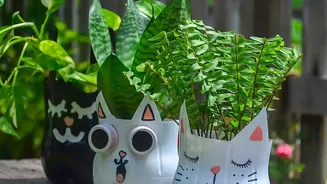
Once you start looking, you'll find potential vases everywhere. An old pair of wellington boots can make for a quirky and fun outdoor display—just be sure to place a container of water inside. Antique watering cans add a rustic garden feel. Even plastic bottles can be cut down and decorated to create a simple vessel. For small, delicate blooms, consider thoroughly cleaned perfume bottles or a set of test tubes in a rack for a minimalist, scientific look. The goal is to find items that can safely hold water and complement your flowers, adding a personal touch that a store-bought vase might lack.
How to Prepare Your Upcycled Vase
No matter what container you choose, preparation is essential. First and foremost, the container must be spotlessly clean. Wash it with soap and hot water to remove any residue or bacteria that could contaminate the water and harm your flowers. If you're using a container with a narrow neck, use a bottle brush to ensure you scrub the inside thoroughly. For any materials that might be affected by water, such as a wooden box or unlined metal, use a watertight liner. Finally, make sure any leaves on your flower stems that would fall below the waterline are removed, as submerged foliage decomposes quickly and fouls the water.