



Choose Your Blooms Wisely
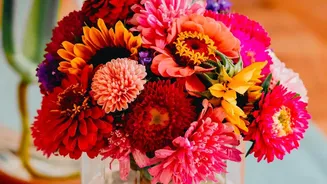
Your first line of defence against wilting begins at the florist. Some flowers are simply better equipped to handle heat than others. For Indian summers, where temperatures can soar, opt for hardy, heat-tolerant varieties. Marigolds (Genda), with their
bright yellow and orange hues, are a classic choice for a reason; they are tough and can withstand intense sunlight. Zinnias are another excellent option, known for their vibrant, long-lasting blooms that flourish in hot weather. Other reliable choices include Portulaca (Moss Rose), Gomphrena, and Gaillardia (Blanket Flower), all of which are accustomed to sun and drier conditions. On the other hand, delicate flowers like hydrangeas and peonies are notorious for wilting quickly in the heat and are best avoided for arrangements that will be exposed to warmth.
The Golden Hour of Preparation
What you do in the first few hours after getting your flowers home is critical to their longevity. The key is proper hydration. Before you even think about arranging them, give the stems a fresh cut. Using a sharp knife or clean scissors, trim one to two inches off the bottom of each stem at a 45-degree angle. This fresh cut opens up the stem's vascular system, allowing it to drink water efficiently. Immediately after cutting, place the flowers in a bucket of clean, cool water. It's also crucial to remove any leaves that will fall below the waterline in the vase. Submerged leaves rot quickly, creating a breeding ground for bacteria that will clog the stems and kill your flowers. For an extra boost, let your newly-cut flowers rest in a cool, dark place for a few hours before arranging. This conditioning period, allows them to fully hydrate and strengthen before being put on display.
Create the Perfect Environment
Once arranged, where you place your bouquet matters immensely. The number one rule is to keep flowers out of direct sunlight and away from heat sources. A sunny windowsill or a spot near a heat-emitting appliance will cause the petals to dehydrate and droop rapidly. Opt for a cool, shaded spot in the room. Also, keep your arrangement away from the fruit bowl; ripening fruit releases ethylene gas, a hormone that accelerates the ageing process in flowers, causing them to wilt prematurely. Maintaining hydration is an ongoing task. Check the water level daily and top it up with fresh, cool water. Topping up with cold water or even adding an ice cube or two on particularly hot days can help slow down bacterial growth and keep the flowers fresh.
Feed Your Flowers Right
Clean water is essential, but you can significantly extend the life of your blooms by adding flower food. The packets that come with store-bought bouquets contain a balanced mix of three key ingredients: a sugar for energy, an acidifier to help the stems absorb water, and a biocide (like bleach) to kill bacteria. You can easily make your own effective solution at home. A simple and popular recipe involves mixing one litre of lukewarm water with one tablespoon of sugar and one tablespoon of white vinegar or lemon juice. Another common formula uses one quart of water, one teaspoon of sugar, and a few drops of household bleach. The sugar provides nourishment, while the vinegar or bleach keeps the water clean and free of stem-clogging bacteria. Remember to change the water and add new food solution every two days.
Emergency Revival Techniques
Even with the best care, you might find a few stems looking sad and droopy after a particularly hot day. Don't throw them out just yet; a floral emergency room is in order. First, recut the stems at an angle. Then, you can try a deep hydration method. Submerge the entire flower, stem and all, in a sink or bucket of cool water for about 30 minutes to an hour. This allows the flower to absorb water not just through the stem but also through its petals and leaves. For flowers with woody stems like roses, a quick 'hot water treatment' can work wonders. Plunge the freshly cut end of the stem into boiling water for about 20-30 seconds before placing it back in a vase of cool water. This technique helps to force out air bubbles trapped in the stem, clearing the way for water uptake.