

From Waste to Wonder
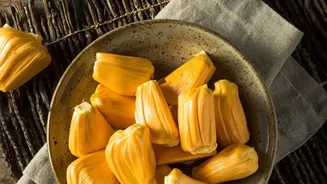
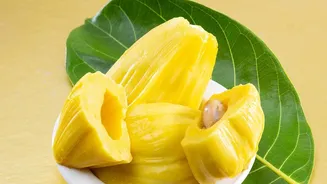
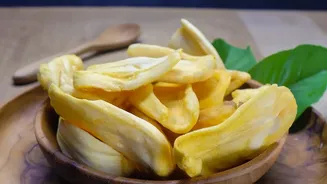
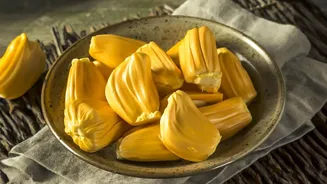
The jackfruit, a giant of the fruit world native to South and Southeast Asia, is increasingly popular for its fleshy pulp, often used as a meat substitute. But for every fruit consumed, a significant portion—up to 15% of its total weight—is made up of seeds
that are typically discarded. This contributes to the massive global issue of food waste, where perfectly good resources end up in landfills, releasing harmful methane gas. However, a shift in perspective is turning this so-called waste into a valuable resource. Innovators and sustainable food companies are now upcycling these seeds, transforming them from an environmental problem into a solution for both our kitchens and the planet.
A Nutritional Powerhouse
Far from being mere refuse, jackfruit seeds are packed with an impressive array of nutrients. The flour made from these seeds is a fantastic source of protein, carbohydrates, and dietary fibre. In fact, studies show it contains a higher concentration of minerals like potassium and calcium compared to wheat, rice, and maize flours. It's also rich in thiamine, riboflavin, and vitamins A and C. This potent combination of nutrients makes jackfruit seed flour a powerful ingredient for fortifying foods, helping to improve digestion and boost immunity. For those managing their blood sugar, its low glycemic index and high fibre content make it a particularly smart choice.
The Eco-Friendly Advantage
The environmental case for jackfruit seed flour is compelling. By creating value from a byproduct that would otherwise be thrown away, upcycling directly combats food waste. This reduces the burden on landfills and curbs the release of methane, a potent greenhouse gas. Furthermore, embracing ingredients like jackfruit seeds diversifies our food system, promoting the use of resilient, indigenous crops that are well-suited to their local climates. This move towards a circular economy—where resources are reused rather than discarded—provides an additional income stream for farmers and makes the entire food supply chain more sustainable.
From Seed to Flour
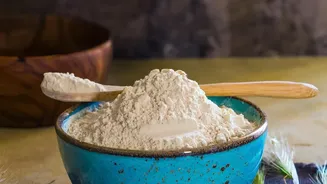
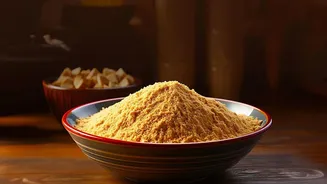
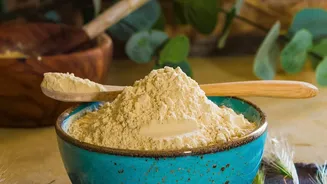
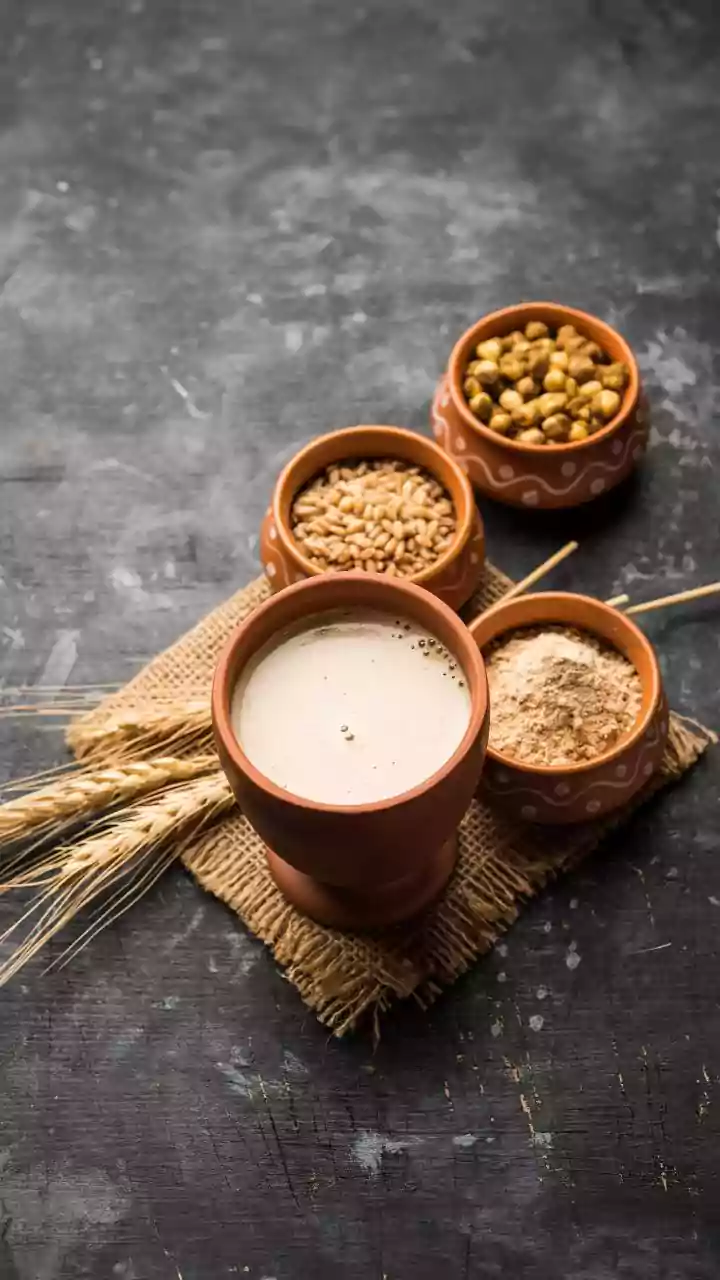
The process of turning a tough seed into a fine baking flour is surprisingly straightforward. It typically begins with cleaning the seeds, followed by a treatment like boiling, steaming, or roasting to soften them and enhance their nutritional profile. After this step, the thin outer peel is removed, though the nutrient-rich brown skin underneath is often left on. The seeds are then thoroughly dried, either under the sun or in a dehydrator, before being ground into a fine, smooth powder. The resulting flour is a versatile ingredient ready for the kitchen.
Baking with Jackfruit Flour
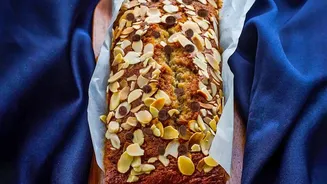
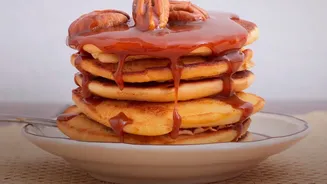
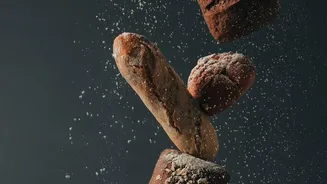
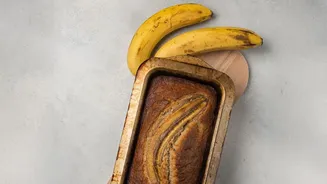
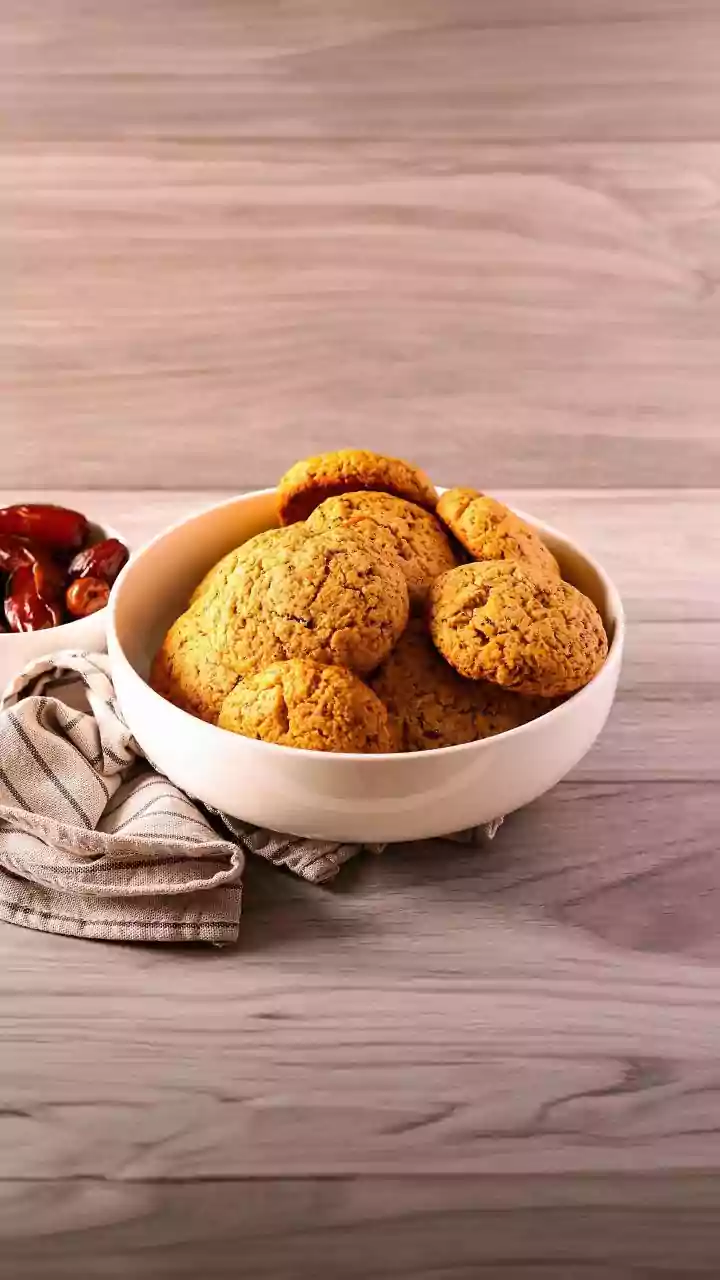
So, how does it perform in the kitchen? Jackfruit seed flour is celebrated for its mild, slightly nutty and earthy flavour that complements both sweet and savoury dishes without overpowering them. As a gluten-free flour, it doesn't behave exactly like wheat flour. Its natural starches and ability to hold moisture help create a less crumbly texture than many other gluten-free alternatives, making it an excellent binding agent. It works wonderfully in recipes for pancakes, cookies, and flatbreads. For baked goods like cakes and breads that require gluten for structure, it's best used as a partial substitute, typically replacing 10-25% of the regular flour to boost protein and fibre. Using too much can sometimes result in a denser texture or a slightly bitter taste, so a little experimentation is key to finding the perfect balance.