



Fushimi Inari Shrine, Kyoto
The dream: An endless, winding path of thousands of vibrant vermilion gates, creating a mystical tunnel up a sacred mountain. It's one of Kyoto’s most defining images. The reality: From mid-morning to late afternoon, that magical path can feel more like
a congested queue. The lower sections, especially the famous Senbon Torii (Thousand Gates), become a slow-moving shuffle of people stopping every few feet for photos, making a peaceful or spiritual experience nearly impossible. The advice: Fushimi Inari is open 24/7 and entry is free. The solution is simple: go very early. Arriving before 8 a.m. offers a completely different atmosphere, with quiet paths and golden morning light perfect for photos. Evenings are also an option, as the lower gates are lit by lanterns, creating a moody and less-crowded ambiance.
Arashiyama Bamboo Grove, Kyoto
The dream: A tranquil walk through a towering, otherworldly forest of bamboo, where the only sound is the rustling of leaves in the wind. The reality: This famous path is surprisingly short, and by 10 a.m., it can be packed with visitors. The narrow walkway gets clogged easily, and the serene experience you imagined is often replaced by the chatter of tour groups and the struggle to get a clean photo without dozens of other people in it. The advice: Like Fushimi Inari, the grove is always open. An early morning visit, before 8 a.m., is your best bet for experiencing its true magic. The light filtering through the stalks is beautiful, and the crowds are minimal. Another strategy is to not make the grove your only destination. Treat it as a starting point and continue walking to explore the quieter temples and gardens deeper into Arashiyama, such as the Ōkōchi Sansō villa.
Kiyomizu-dera Temple, Kyoto
The dream: Standing on the magnificent wooden stage of one of Japan’s most celebrated temples, looking out over a sea of cherry blossoms or autumn leaves with Kyoto in the distance. The reality: As a UNESCO World Heritage site, Kiyomizu-dera is exceptionally popular. The narrow, historic streets leading up to it, Ninenzaka and Sannenzaka, become incredibly congested, making the approach itself a challenge. Once inside, the main stage and viewpoints are often swarmed, making it difficult to move around freely or soak in the view. The advice: The temple opens at 6 a.m. all year round. Arriving at opening time allows you to experience the temple grounds in relative peace before the tour buses arrive. Weekdays are generally better than weekends. Consider taking a less-travelled approach route like Chawan-zaka, which can be quieter than the main shopping-lined streets. Exploring nearby, less-famous temples can also provide a more serene experience.
Shibuya Crossing, Tokyo
The dream: Witnessing the world’s busiest intersection, a mesmerizing scramble of thousands of people crossing from all directions under a dazzling canopy of neon lights. The reality: For many, the reality lives up to the hype, but being in the scramble can be an intense, shoulder-bumping experience rather than an orderly spectacle. The main goal for most visitors is to photograph it from above, but the most popular viewing spot—the Starbucks in the Tsutaya building—is perpetually packed, with a long line for a window seat. The advice: Don't just cross it once. Experience the flow from a few different angles. To get that classic overhead shot without the Starbucks queue, try the viewing deck of the Magnet by Shibuya109 building (for a small fee) or the free sky lobby of the Shibuya Hikarie building, which offers a slightly different but equally impressive vantage point. While locals just pass through, for a tourist, the fun is in the spectacle itself, which is always 'on'.
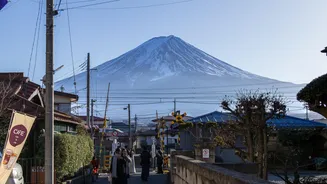
Popular Viewpoints for Mount Fuji
The dream: A perfect, unobstructed photo of Japan’s iconic snow-capped volcano, perhaps reflected in a serene lake or framed by cherry blossoms. The reality: Everyone wants that same photo. Popular spots, like the Chureito Pagoda or specific locations around Lake Kawaguchiko, can be extremely crowded, especially on clear days. During the summer climbing season, the mountain's trails themselves can suffer from dangerous congestion. The advice: Visibility is often best in the early mornings, so plan to arrive at your chosen viewpoint as early as possible. Exploring less-famous lakes in the Fuji Five Lakes region, such as Lake Motosu, can yield stunning views with far fewer people. Unless you are a prepared hiker, avoid the Fifth Station during peak bus tour hours and instead seek out viewpoints from the surrounding region for a more peaceful and rewarding experience.