


First, What Is Sourdough Discard?
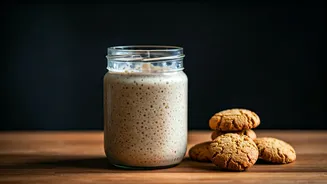
Anyone who maintains a sourdough starter—a living culture of flour and water used to leaven bread—is familiar with the process of 'feeding' it. To keep the yeast and bacteria healthy and active, you must regularly refresh it with new flour and water.
Before you feed it, you remove a portion of the old starter to keep the volume manageable. This removed portion is called 'discard'. For years, it was often thrown away, hence the name. But discard is not waste; it's simply unfed starter, packed with fermented flavour and beneficial bacteria.
The Zero-Waste Kitchen Philosophy
For many millennial bakers, the appeal of using discard is rooted in a powerful desire to reduce food waste. This generation is acutely aware of the environmental and financial costs of waste, making the idea of throwing away a perfectly good food product feel wrong. Embracing discard treats is a delicious form of protest against a throwaway culture. It transforms what was once considered trash into treasure, aligning perfectly with a broader lifestyle trend towards sustainability and more conscious consumption. Every cracker, pancake, or cookie made from discard is a small victory for the zero-waste kitchen.
A Playground for Culinary Creativity
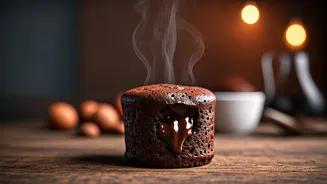
Sourdough discard is more than just a sustainable choice; it's an exciting ingredient that opens up a new world of flavour and texture. Its characteristic tang, which can range from mild to pronounced depending on its age, adds a complex, savoury depth to baked goods that you can't get from commercial yeast. This has inspired a wave of creativity. Bakers are moving beyond bread and using discard to create everything from flaky pie crusts and rich, fudgy brownies to tangy pizza bases and delicate crumpets. Social media feeds are filled with inventive recipes for discard pancakes, waffles, crackers, and even pasta, showcasing its incredible versatility.
Good for the Gut and the Wallet
In addition to its flavour, sourdough discard carries some of the health benefits associated with fermented foods. The fermentation process begins to break down gluten and contains probiotics, which can make the resulting treats easier to digest for some people. It's also a source of fibre, vitamins, and minerals. Beyond the nutritional aspect, there's a clear economic advantage. Using discard means you're getting more value from the flour you use to maintain your starter. It’s a frugal approach that turns one baking process into the foundation for many other meals and snacks, saving money on store-bought alternatives.
A Trend That Sticks
The obsession with sourdough discard is more than a fleeting trend. It represents a deeper shift in how people, particularly millennials, approach home cooking. It's a practice that combines resourcefulness, creativity, and a connection to the food we make. Sharing discard recipes and troubleshooting tips has built vibrant online communities of bakers who are passionate about this sustainable practice. It’s a hobby that is rewarding on multiple levels—it's good for the planet, it challenges culinary skills, and it results in uniquely delicious food. The humble discard has found its moment, proving that the best ingredients are sometimes the ones you never thought to use.