

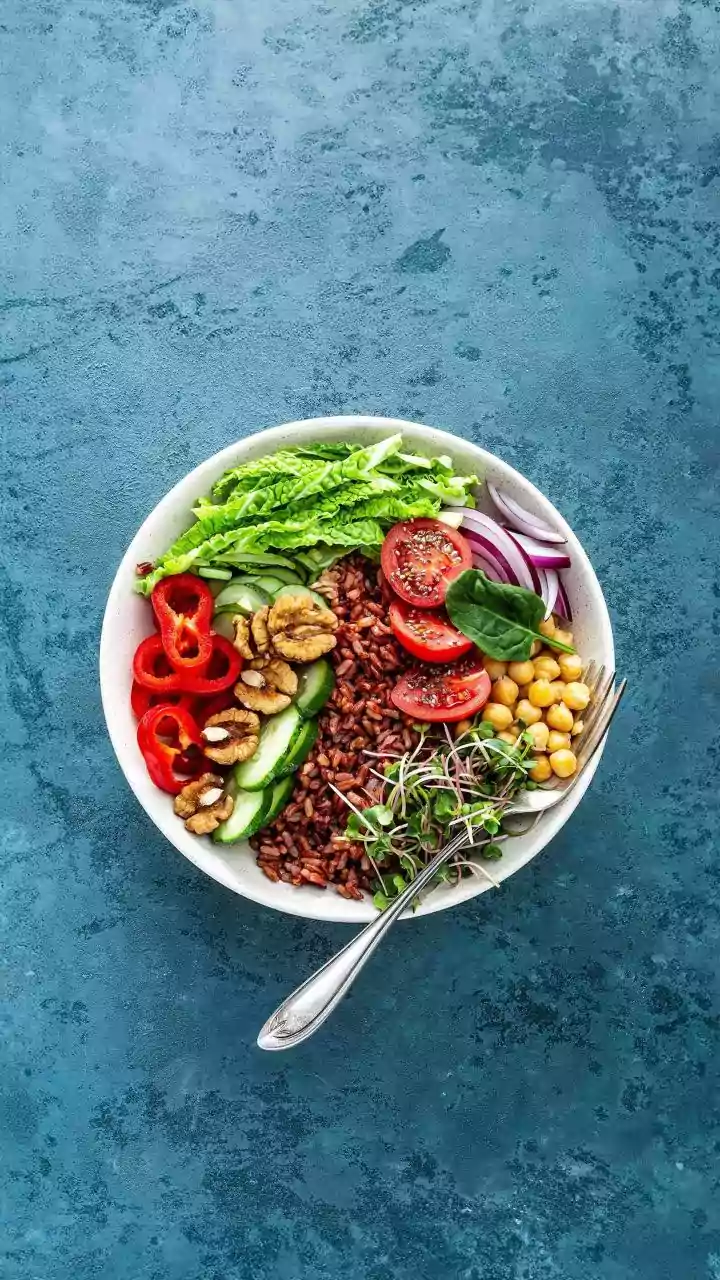



Swap White Rice for Millets
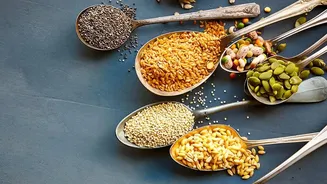
For generations, white rice has been a staple. But swapping it for millets like ragi, jowar, or bajra is a powerful upgrade. Millets are packed with more fibre, protein, and essential minerals. They have a lower glycemic index, which means they release
energy slowly, keeping you full for longer and helping manage blood sugar levels. This makes them an excellent choice for weight management and overall metabolic health.
Switch Refined Sugar with Jaggery
Refined white sugar offers empty calories, but traditional jaggery (gur) tells a different story. Because it's unrefined, jaggery retains minerals like iron, potassium, and magnesium. While it is still a form of sugar and should be used in moderation, its mineral content gives it a slight edge over its processed counterpart. Traditional wisdom also values jaggery for its digestive properties.
Replace Refined Oils with Ghee
The debate over fats is settling, and traditional ghee is making a comeback. Unlike many refined oils that undergo intense chemical processing, ghee is a stable fat with a high smoke point, making it ideal for Indian cooking methods like tadka and frying. It contains butyric acid, which is beneficial for gut health, and helps the body absorb fat-soluble vitamins like A, D, E, and K.
Trade Packaged Chips for Makhana
When mid-day hunger strikes, reaching for a packet of chips is easy. A much healthier alternative is roasted makhana (fox nuts). These puffed lotus seeds are low in calories and fat but rich in protein, fibre, and essential minerals like magnesium and potassium. Their high fibre and protein content help you feel full, making them a great snack for weight management.
Opt for Multigrain Atta Over Plain Wheat Atta
While whole wheat atta is a healthy staple, multigrain atta takes nutrition up a notch. By blending wheat with other grains like oats, ragi, jowar, or soy, multigrain flour offers a wider array of nutrients, more dietary fibre, and higher protein content. This combination can lead to better satiety, improved digestion, and a more regulated release of energy. Just be sure to check the label to ensure whole grains are the primary ingredients.
Exchange Sugary Drinks for Buttermilk
Instead of reaching for a sugary soda or packaged juice, consider a glass of spiced buttermilk, or chaas. This traditional Indian cooler is a natural probiotic, supporting gut health and aiding digestion. It's also hydrating, rich in electrolytes like potassium, and low in calories. The spices often added, like cumin and ginger, further enhance its digestive benefits.
Swap Morning Coffee for Herbal Infusions
Starting the day with a caffeine jolt can be a hard habit to break. However, swapping it occasionally for an herbal infusion with adaptogens like Ashwagandha and Tulsi can offer sustained benefits. These Ayurvedic herbs are known to help the body manage stress, support the immune system, and improve mental clarity without the caffeine crash. They work to balance the body's response to stress, providing calm, steady energy.
Choose Local Greens Over Imported Superfoods
Exotic superfoods like kale have gained immense popularity, but local Indian greens are just as, if not more, powerful. Moringa (drumstick leaves), for example, is a nutritional powerhouse, rich in protein, iron, and calcium. It's more nutrient-dense in several categories compared to kale. Embracing local, seasonal greens like amaranth and fenugreek leaves is not only more sustainable but also provides a wide spectrum of essential vitamins and minerals.
Prefer Homemade Chutneys to Bottled Sauces
Store-bought sauces and ketchups are often loaded with sugar, sodium, and preservatives. A simple switch is to use fresh, homemade chutneys instead. A classic coriander-mint chutney, for example, is full of antioxidants and digestive herbs. Using ingredients like garlic, ginger, amla, and tamarind turns a simple condiment into a functional food that adds both flavour and health benefits to your meal.
Use Rock Salt Instead of Table Salt
This is a subtle but meaningful swap. Common table salt is highly processed, whereas unrefined rock salt (sendha namak) contains trace minerals. Ayurveda has traditionally favoured rock salt for its cooling properties and potential digestive benefits. While sodium should always be consumed in moderation, opting for a less processed form of salt provides a broader mineral profile.