





Choosing a fitness routine can feel overwhelming. Two popular options, Zumba and Barre, offer very different paths to getting fit. One is a high-energy dance party; the other is a controlled, ballet-inspired workout. Let's break it down.
The Vibe: High-Energy Party vs. Calm and Controlled
The atmosphere
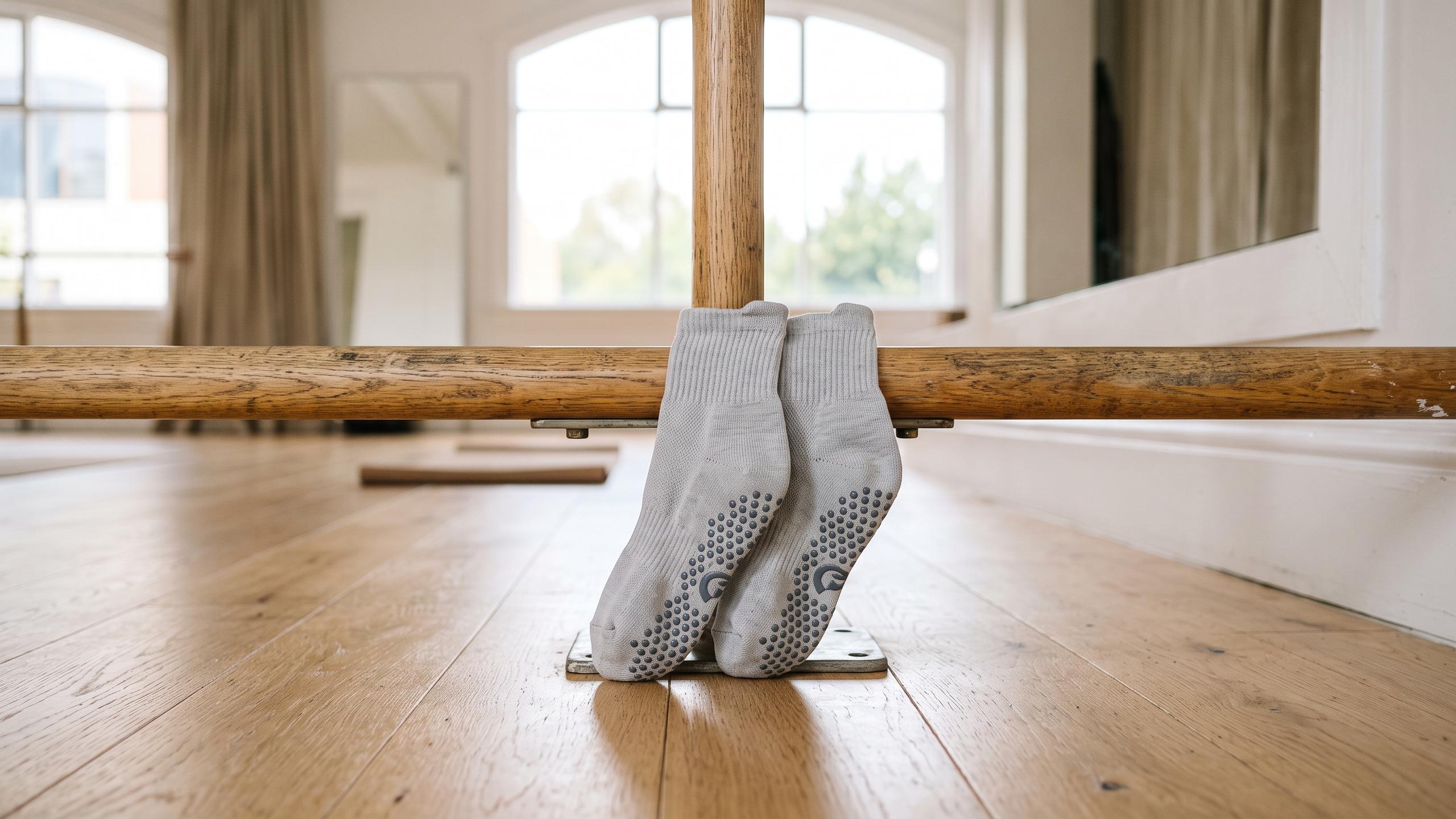
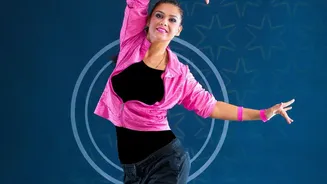
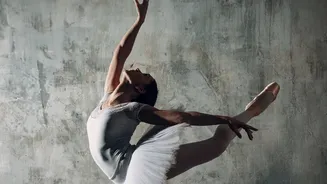
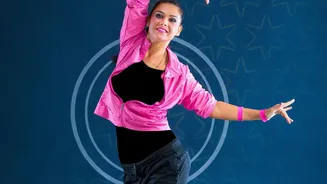
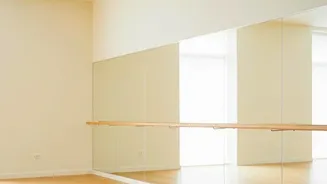
of a Zumba class feels more like a party than a workout. Set to upbeat Latin and international music, the focus is on moving, having fun, and letting the rhythm take over. You don't need to be a dancer; the main goal is to keep your body moving and enjoy the high-energy, social environment. Many people find it so enjoyable they forget they're even exercising. In contrast, a Barre class is focused and precise. The vibe is more like a ballet studio, where the emphasis is on posture, alignment, and controlled movements. While there's music, it serves as a backdrop for a structured series of exercises that require mental focus and control over your body.
The Workout: Cardio Dance vs. Isometric Strength
Zumba is fundamentally a cardiovascular workout. It's an interval-style class that mixes fast and slow rhythms, keeping your heart rate elevated to burn calories and improve endurance. A typical session is a full-body workout that enhances coordination and stamina through a variety of dance steps. Barre, on the other hand, is a low-impact, high-intensity strength workout. It blends elements of ballet, Pilates, and yoga, using a stationary barre for support. The workout consists of small, controlled movements—often called pulses—and isometric holds that target specific muscle groups until they fatigue. This method builds muscular endurance without putting strain on the joints.
Goal: Weight Loss and Heart Health
If your primary goal is to burn calories and lose weight, Zumba generally has the edge. Thanks to its continuous, high-energy cardio, a single one-hour class can burn anywhere from 300 to 900 calories, depending on factors like your weight and intensity level. The significant calorie burn and focus on cardiovascular health make it an effective choice for weight management and improving heart health. While Barre burns fewer calories per session, it contributes to weight management indirectly. By building lean muscle mass, Barre can help raise your resting metabolic rate over time, meaning you burn more calories even when you're not exercising.
Goal: Muscle Toning and Posture
For those aiming to sculpt and tone muscles, Barre is the more direct option. The small, targeted movements are designed to isolate and work muscles in the glutes, thighs, core, and arms to the point of fatigue, creating lean muscle definition without bulk. Barre's emphasis on alignment and core control also leads to significant improvements in posture. The balletndirected positions strengthen the muscles in your back, chest, and shoulders, helping you stand taller. While Zumba does engage the core and lower body, its primary benefit is cardio, not significant muscle sculpting.
Flexibility, Coordination, and Overall Enjoyment
Both workouts offer unique secondary benefits. Barre classes incorporate stretching throughout the session, which improves flexibility and range of motion. Zumba, with its varied dance routines, is excellent for improving coordination and balance. Ultimately, the most important factor is enjoyment. The psychological benefit of a workout you love is huge, as you're far more likely to stick with it consistently. If the idea of a dance party motivates you, Zumba is a perfect fit. If you prefer a workout that feels mindful, precise, and delivers a satisfying muscle burn, you'll likely prefer Barre.