

Meet the 'Seed of Blessing'
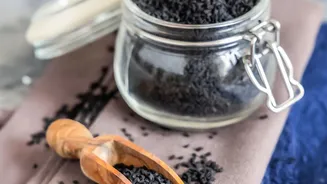
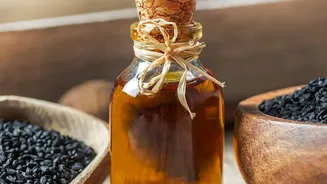
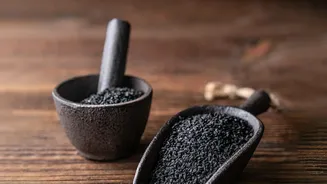
Nigella seeds, from the Nigella sativa plant, are small, matte-black, triangular seeds that have been used for thousands of years in culinary and traditional practices. Sometimes called kalonji, particularly in Indian cuisine, they are also confusingly
referred to as black cumin, black caraway, or black onion seeds, though they are not botanically related to any of them. These seeds have a rich history, even appearing in the tomb of Tutankhamun, and are a staple in Middle Eastern, North African, and South Asian cooking. Their distinct appearance sets them apart from the flatter, glossier black sesame seed, a common point of confusion for many cooks.
A Complex Flavor Unpacked
The magic of nigella seeds lies in their complex, hard-to-pin-down flavor. The headline's 'gentle onion-like' description is a perfect starting point. When you bite into a raw seed, you'll notice a slightly bitter, peppery sharpness with distinct savory notes of onion and oregano. Unlike spicy peppers, their finish is warming and aromatic rather than hot. This unique profile is why they are often mistaken for onion seeds, but their flavor is far more nuanced, offering layers of earthy, herbaceous, and smoky undertones that unfold beautifully when cooked.
Toasting for Maximum Impact
To truly unlock the soul of the nigella seed, a crucial step is toasting. Raw nigella can sometimes be assertively bitter. By briefly heating the seeds in a dry skillet for just 30 to 60 seconds, until they become fragrant and start to pop, that bitterness mellows significantly. This simple act transforms the flavor, bringing out a warmer, nuttier character while amplifying the savory onion and peppery notes. Once toasted, they are ready to be used whole or lightly crushed to be mixed into doughs, batters, or spice blends.
The Perfect Partner for Bread
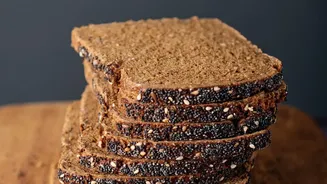
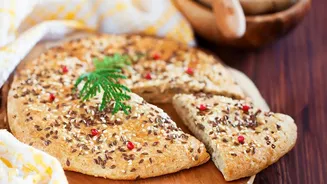
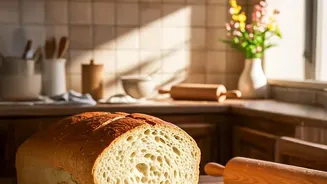
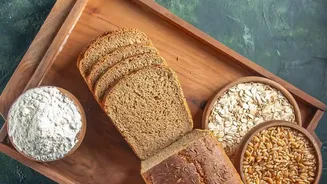
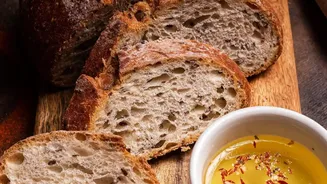
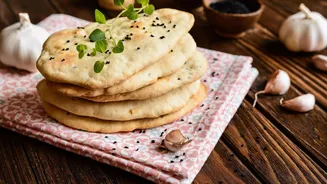
There's a reason nigella seeds are a classic topping for flatbreads like Indian naan and Turkish pide. Their savory, pungent flavor provides a wonderful contrast to the simple, yeasty taste of bread. In artisan loaves, such as sourdough, they can be mixed directly into the dough or used as a topping. When baked into the crumb, they create an intriguing visual appeal with their dark specks and impart an aromatic quality throughout the loaf. The seeds' unique texture adds a subtle crunch that complements both soft and crusty breads perfectly. Their oniony, peppery notes cut through the richness of butter and pair beautifully with other additions like cheese or caramelized onions.
Beyond the Bread Basket
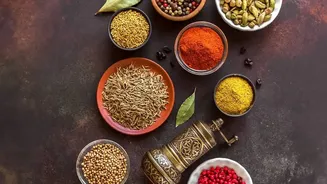
While exceptional in bread, the utility of nigella seeds extends far beyond the bakery. They are a key component in the Bengali five-spice blend known as 'panch phoron'. You can sprinkle them over roasted vegetables like potatoes, carrots, and cauliflower to add a savory dimension. They are also wonderful in pickles, chutneys, and lentil dishes (dal), where their pungent flavor can balance sweetness and richness. Try scattering them over a simple tomato salad, egg dishes, or even blending them into a yogurt dip for a surprising and sophisticated flavor boost.
Where to Find and How to Store
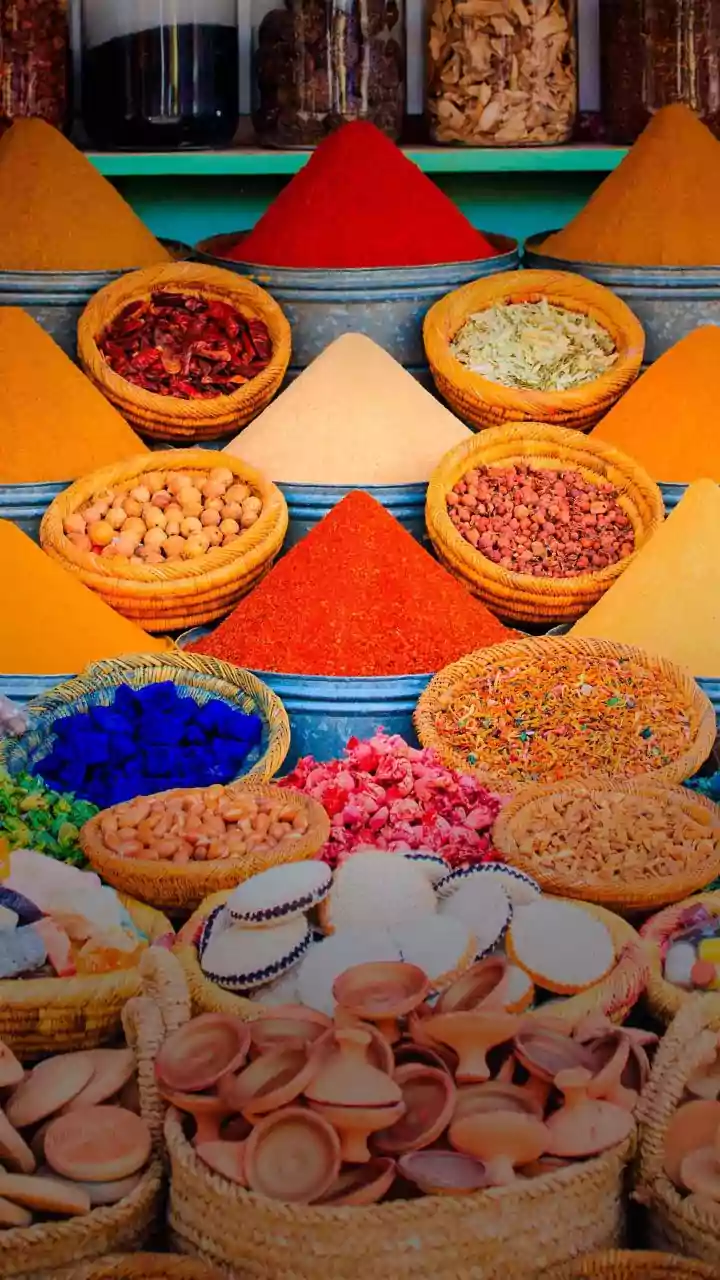
Nigella seeds are readily available at Indian or Middle Eastern grocery stores, as well as in the spice aisle of many larger supermarkets and online. You'll often find them labeled as 'kalonji'. Like all spices, they are best stored in an airtight container in a cool, dark place away from heat and moisture to preserve their natural oils and potent flavor. When stored properly, the whole seeds will retain their character for up to a year or even longer.