



The Science of the Roll
The primary benefit of rolling clothes lies in compression. When you fold clothes, you create layers with pockets of air trapped between them. During the monsoon or in humid conditions, this trapped air holds moisture, which then seeps into your fabrics,
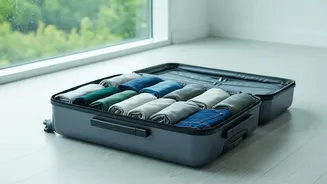
leaving them feeling damp and smelling musty. Tightly rolling each garment, however, pushes this air out. A rolled piece of clothing is a dense, compact cylinder with far less surface area exposed to the ambient humidity inside your luggage. This compression makes it significantly harder for moisture to penetrate the fabric, keeping your clothes fresher and drier upon arrival.
Winning the War on Wrinkles
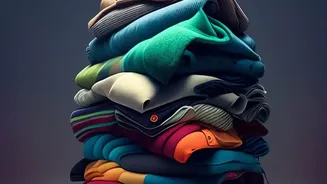
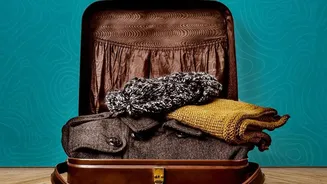
Folding creates sharp, defined creases that are pressed into the fabric by the weight of other items in your bag. These creases can be stubborn to remove without an iron. Rolling, on the other hand, avoids these hard folds altogether. Instead of a sharp line, rolling creates a gentle, continuous curve along the length of the garment. Any minor crinkling that occurs is distributed evenly and tends to relax and fall out much more quickly once you unpack and hang the item. For best results, smooth out any existing wrinkles on a flat surface before you begin to roll.
Technique Matters: How to Roll Effectively
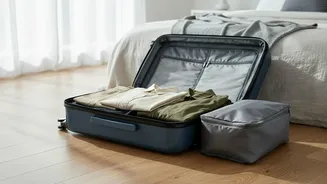
Mastering the roll is simple. For t-shirts and casual tops, lay the item flat, fold the sleeves in, and then roll tightly from the bottom hem up to the collar. For trousers and jeans, lay them flat, place one leg on top of the other, and roll tightly from the waistband down to the cuffs. For button-down shirts, some care is needed. Fold along the seams, smooth the fabric, and then roll. For more structured items like blazers or formal wear, a technique called bundle wrapping—where you wrap items around a central core—might be even more effective at preventing creases.
Not All Fabrics Are Created Equal
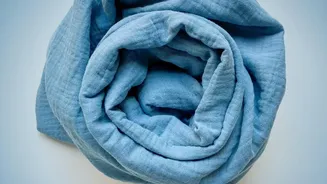
Rolling works exceptionally well for most casual travel wear. T-shirts, jeans, shorts, and clothes made from synthetic or blend fabrics like polyester and nylon are perfect candidates. These materials are naturally more resistant to wrinkling. However, be more cautious with very delicate or easily creased fabrics like linen or some formal silks. While rolling is still often better than folding, these items may benefit from being rolled more loosely or packed using other methods, like layering them with tissue paper to reduce friction.
Your Complete Moisture-Fighting Strategy
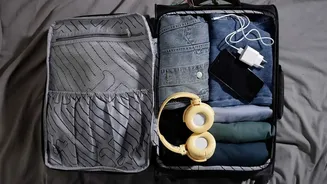
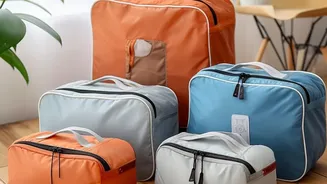
Rolling is a powerful tool, but it works best as part of a complete system. For maximum efficiency, combine rolling with packing cubes. These organisers not only keep your suitcase tidy but also add another layer of compression, further squeezing out air and protecting your clothes. For trips to extremely humid destinations, consider adding a few silica gel packets—the kind you find in new shoe boxes—into your luggage. They are excellent at absorbing any rogue moisture. Finally, always pack a separate, waterproof bag for any wet or dirty clothes to keep them from contaminating your clean, dry items.