




Meet Bakuchiol, Nature’s Gentle Powerhouse
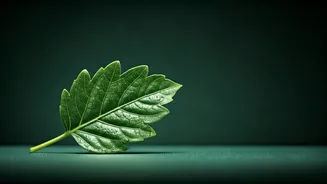
Pronounced ‘buh-koo-chee-all’, this trending ingredient isn’t new. It’s a potent extract derived from the seeds and leaves of the Psoralea corylifolia plant, also known as babchi. This plant has been a cornerstone of traditional Ayurvedic and Chinese
medicine for centuries, valued for its healing properties. Today, modern skincare is embracing bakuchiol as a standout performer, often dubbing it a natural alternative to retinol. Unlike retinol, which is a vitamin A derivative, bakuchiol is a completely different compound that manages to deliver similar visual benefits. It's an antioxidant-rich phenol that works to visibly rejuvenate the skin.
The Science Behind the Glow
So, how does this oil deliver on its promise of radiance? The magic lies in how it interacts with your skin. Research shows that bakuchiol encourages collagen production and supports cell turnover. Collagen is the protein that keeps skin looking firm and youthful, and its production naturally declines with age. By stimulating its synthesis, bakuchiol helps to improve skin’s elasticity and firmness, reducing the appearance of fine lines and wrinkles. Furthermore, its antioxidant properties help protect the skin from environmental stressors and free radicals, which can lead to premature ageing and discolouration. Regular use can lead to a smoother, more refined skin texture and a visibly brighter, more even-toned complexion.
The Kinder Alternative to Retinol
Perhaps bakuchiol’s biggest claim to fame is its gentle nature. While retinol is highly effective, it's also known for causing irritation, redness, dryness, and increased sun sensitivity, especially for those with sensitive skin. This is where bakuchiol truly shines. Studies have shown it can provide comparable results to retinol in improving signs of photoaging, but with significantly better skin tolerance. It doesn't typically cause the same disruptive peeling or stinging, making it a much more comfortable experience. Because it doesn't make the skin more sensitive to the sun, it can be used during the day (with sunscreen, of course), unlike many retinol products which are reserved for nighttime use.
How to Weave It Into Your Routine
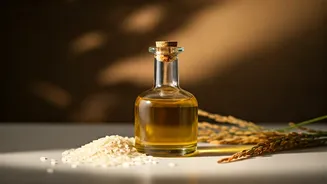
Adding bakuchiol to your skincare regimen is straightforward. It’s available in various forms, including serums, oils, and moisturisers. For best results, consistency is key. You can apply it once or twice daily. A good rule of thumb is to apply products from thinnest to thickest texture. If you have a lightweight bakuchiol serum, apply it after cleansing and toning, but before your moisturiser. If you’re using a richer bakuchiol oil, it’s best applied as one of the final steps in your routine to seal in moisture, especially at night. While it pairs well with hydrating ingredients like hyaluronic acid, it’s wise to be cautious when combining it with other strong actives like exfoliating acids to avoid potential sensitivity. As with any new product, it’s always a good idea to patch-test first.
Finding Your Perfect Match
When shopping for a bakuchiol product, take a peek at the ingredient list. Research suggests that concentrations between 0.5% and 2% are effective for visible benefits without causing irritation. The texture you choose—be it a light serum or a nourishing oil—depends on your skin type and personal preference. Those with oily skin might prefer a lightweight serum, while those with dry or dehydrated skin may find a bakuchiol-infused oil more comforting. The ingredient is also finding its way into body care, offering its smoothing and firming benefits for skin from head to toe. No matter the format, this plant-derived oil proves that you don’t always need harsh ingredients to achieve a powerful, age-defying glow.