





More Than Just a Viral Fad
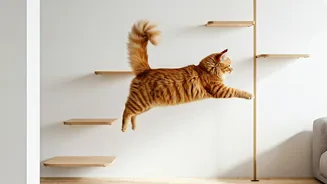
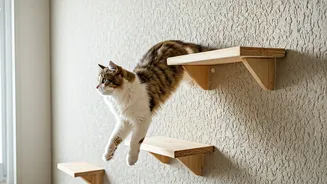
Scroll through social media and you’ll find them: sleek cats navigating intricate rope bridges, fluffy kittens lounging on wall-mounted perches, and entire feline families surveying their domain from a network of shelves. This phenomenon, often dubbed
'catification,' has moved from a niche project for devoted pet owners to a mainstream trend. While the videos are undeniably entertaining, they highlight a fundamental aspect of feline well-being that experts have championed for years. These custom structures aren't just extravagant pet furniture; they are a direct response to a cat's deep-seated biological and psychological needs.
The Psychology of Vertical Space
To understand why these wall bridges are so popular with our pets, we have to look at their ancestry. Domestic cats are descended from the African wildcat, a solitary predator that used height as a tool for both hunting and survival. Climbing trees and rocky outcrops provided a safe vantage point to spot prey and avoid becoming prey themselves. This instinct is hardwired into your house cat. When they climb to the top of a bookshelf or a refrigerator, they aren't just being mischievous; they are seeking security and control. Vertical space is their safe zone. From a high perch, a cat can observe its territory without feeling vulnerable to ambushes from other pets, children, or even the dreaded vacuum cleaner. It’s a place of status and calm in the complex social world of a domestic household.
Unlocking Your Cat's Inner Explorer
For indoor cats, life can become monotonous. The same four walls, the same toys, and the same routine can lead to boredom, stress, and behavioural issues like over-grooming, aggression, or destructive scratching. Wall bridges, shelves, and climbing posts serve as powerful environmental enrichment. They transform a flat, two-dimensional living space into a three-dimensional jungle gym. Navigating a wobbly bridge engages their problem-solving skills and improves their balance and coordination. It provides a healthy outlet for their natural urge to climb and explore. In multi-cat households, this 'vertical real estate' is even more critical. It expands the available territory, allowing cats to create personal space and avoid conflicts over resources like food bowls or a favourite sunny spot.
The Rise of 'Catification'
The term 'catification' was popularised by cat behaviourist Jackson Galaxy, who advocates for modifying human homes to better suit feline instincts. The goal isn't to turn your house into a chaotic cat tower, but to thoughtfully integrate elements that make your cat feel more at home. The viral bridges are just one component. The broader trend includes wall-mounted hammocks, sisal-wrapped scratching posts that double as steps, and simple floating shelves arranged in a staggered pattern to create a 'cat superhighway.' This allows a cat to circumnavigate a room without ever touching the floor. The aesthetic has also evolved, with many companies now offering sleek, modern designs that blend seamlessly with contemporary home decor, proving that a pet-friendly home can also be a stylish one.
What to Consider Before You Build
Inspired to create a vertical paradise for your own pet? Safety should be your top priority. Ensure any shelves or bridges are securely anchored to the wall, preferably into studs, to support your cat's weight as it jumps. Consider the materials: use non-slip surfaces and avoid treated woods or paints that could be toxic. The layout is also important. Create clear entry and exit points, and make sure the spacing between shelves is manageable for your cat's age and agility. A senior cat may need steps placed closer together than a young, athletic one. If your cat is hesitant at first, you can entice them to explore the new setup with treats, catnip, or their favourite toys, allowing them to build confidence at their own pace.