




The Hidden Cost of Traditional Litter
For decades, the default choice for cat litter has been clay. Clumping clay litter, made from sodium bentonite, is incredibly effective at absorbing waste. However, its environmental cost is significant. Bentonite is sourced through strip mining, a process
that scars landscapes and disrupts ecosystems. Once used, this litter is not biodegradable. Every scoop you throw away ends up in a landfill, where it will sit for thousands of years. An estimated two million tonnes of cat litter end up in Indian landfills annually, a staggering amount of permanent waste. Silica gel litters, another popular alternative, face similar issues with non-biodegradability and energy-intensive production.
What Makes a Litter Truly 'Green'?
When we talk about “green” or “eco-friendly” litter, we’re looking for a few key characteristics. First, it should come from a renewable resource—something that can be grown and harvested sustainably, unlike mined minerals. Second, it needs to be biodegradable, meaning it can break down naturally over time instead of piling up in landfills. Bonus points are awarded for being lightweight (reducing transportation emissions) and being produced with minimal processing. These criteria shift the focus away from quarried minerals and toward the world of agriculture.
Enter Plant-Based Litters
This is where plant-based litters shine. As the name suggests, these products are made from natural, renewable materials like corn, wheat, wood, walnut shells, and even tofu byproducts. They are, by their very nature, biodegradable. Many are also lighter than clay, and some can even be composted (though never use cat waste compost on edible gardens due to pathogen risks). By choosing a plant-based litter, you are opting out of the strip-mining supply chain and choosing a product that can return to the earth. This fundamental difference is why they stand out as the leading 'green' choice for conscientious pet owners.
A Tour of Plant-Powered Options
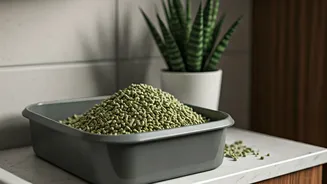
The plant-based litter market is diverse, offering something for almost every cat and owner. **Wood:** Often made from reclaimed pine or cedar, wood litters come in pellet or granule form. They have excellent natural odor control and are highly absorbent. The pellet texture can be a deal-breaker for some cats, but finer, sawdust-like versions are also available. **Corn:** This is one of the most popular plant-based options. Corn litter is lightweight and often clumps well, mimicking the convenience of clay. It’s soft on paws and has good absorbency. **Wheat:** Similar to corn, wheat litter uses natural starches to create solid clumps that are easy to scoop. It’s also biodegradable and offers effective odor control. **Tofu/Soy:** Made from soybean byproducts, tofu litter is a rising star. It’s virtually dust-free, incredibly lightweight, and often comes in flushable formulations (always check with local regulations and your plumbing). It forms neat, soluble clumps.
Performance and Practicality
An eco-friendly litter is only a good choice if it works for you and your cat. Thankfully, plant-based litters have come a long way. While early versions struggled with odor control or clumping, modern formulations are highly competitive. Odor control is often excellent, either through the natural properties of the material (like pine) or through added carbon or minerals. Clumping ability varies by type, with corn and wheat litters generally offering the firmest clumps. Dust levels are typically much lower than with clay, which is a benefit for both human and feline respiratory health. The biggest hurdle can be price—plant-based options are often more expensive upfront, but their high absorbency can mean they last longer, offsetting some of the cost.
How to Make a Successful Switch
Cats are creatures of habit and can be picky about their toilets. A sudden switch to a new litter can lead to unfortunate accidents outside the box. The key is to transition slowly. Start by mixing a small amount of the new plant-based litter (about 25%) with their old litter. Over the course of a week or two, gradually increase the ratio of new litter to old, giving your cat time to adjust to the new scent and texture. Pay attention to their behaviour. If they are using the box consistently, you can continue the transition. If they seem hesitant, slow the process down. This gradual approach gives you the best chance of a successful and stress-free switch.