





The Ancient Wisdom of Rice Water
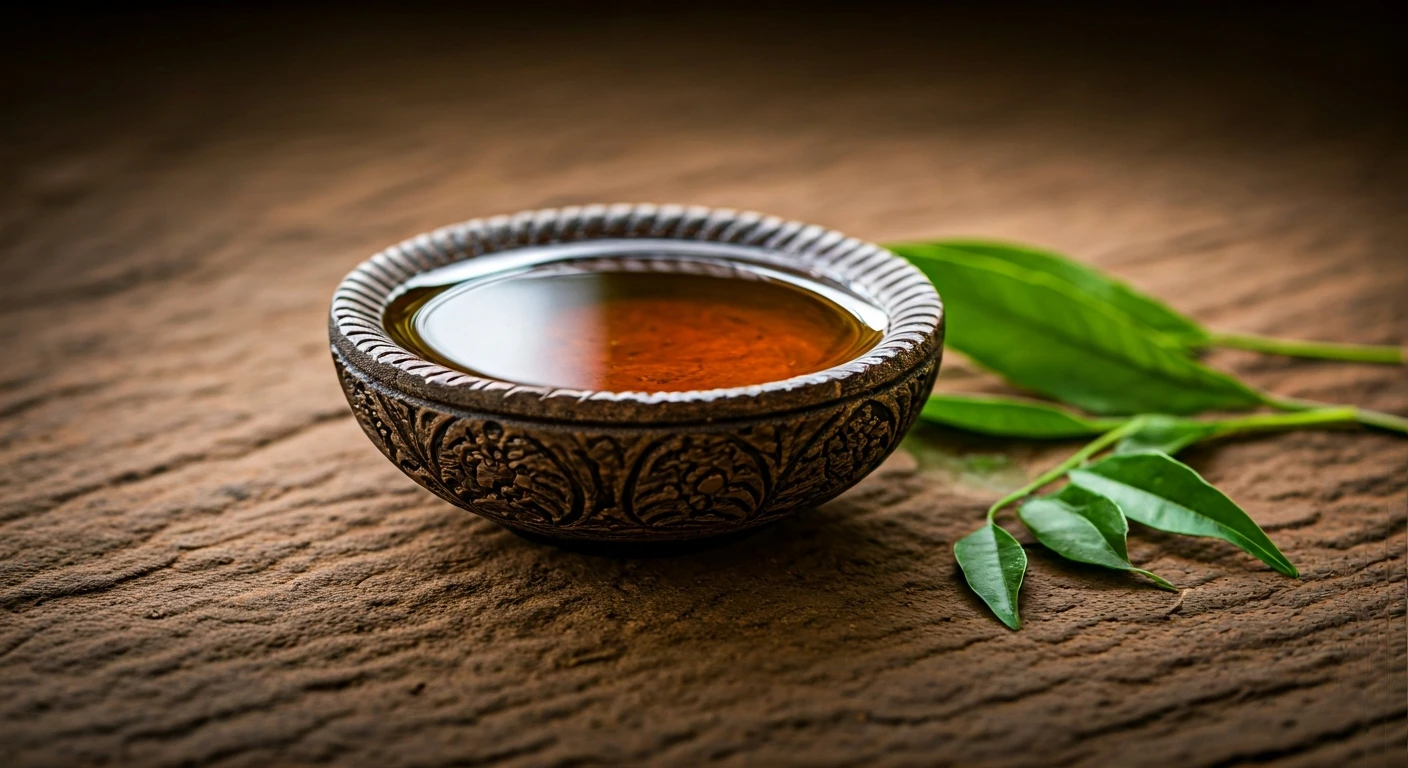
The practice of using rice water for hair is centuries old, famously associated with the Yao women in China, known for their exceptionally long and healthy hair. The starchy water left behind after soaking or boiling rice is rich in nutrients. It’s packed
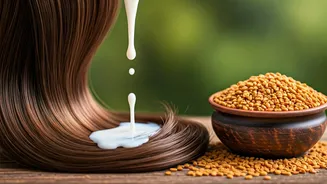
with amino acids, B vitamins, vitamin E, and minerals. A key component is inositol, a carbohydrate that can penetrate damaged hair and repair it from the inside out, while also reducing friction between strands. While robust scientific proof is still emerging, studies suggest it can improve hair elasticity and add shine. Fermenting the rice water can lower its pH, helping to close the hair cuticles and making your mane look smoother and glossier.
How to Make and Use Rice Water
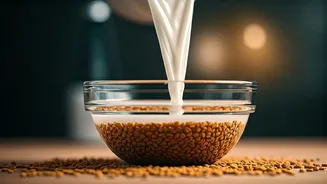
Creating your own rice water treatment is simple. Take half a cup of uncooked rice, rinse it once, then soak it in two to three cups of water. You can use it after 30 minutes, but for a more potent version, let it sit at room temperature for 24 to 48 hours to ferment. You’ll know it’s ready when it has a slightly sour smell. To use it, first shampoo your hair as usual. Then, pour the rice water over your hair, massaging it into your scalp and strands. Leave it on for up to 20 minutes, then rinse thoroughly with warm water. For best results, use this treatment once or twice a week, as overuse can sometimes lead to protein buildup and dryness for certain hair types.
Fenugreek: The Spice That Strengthens
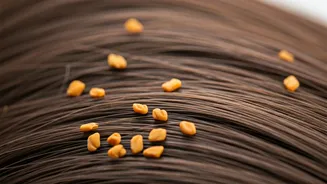
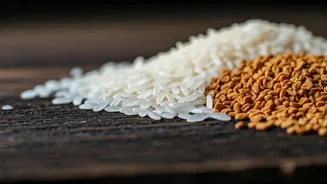
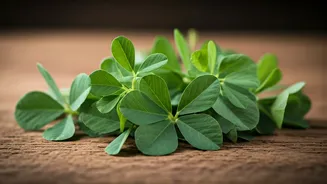
Fenugreek, or methi, is a cornerstone of Indian cooking and Ayurvedic medicine. These small, amber-coloured seeds are a powerhouse of nutrients essential for hair health. They are an incredibly rich source of iron and protein, two of the most critical building blocks for strong hair. They also contain nicotinic acid and lecithin, which are believed to help strengthen hair roots and moisturise the hair shaft. Fenugreek's anti-inflammatory and antifungal properties may also help maintain a healthy scalp, addressing issues like dandruff and itchiness. Some compounds in fenugreek are even thought to interact with DHT, a hormone linked to hair loss, though more research is needed.
Whipping Up a Fenugreek Hair Mask
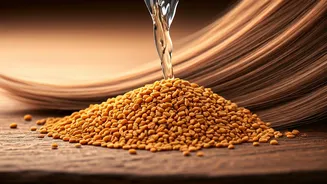
A fenugreek hair mask is a classic remedy for hair fall and promoting thickness. To make one, soak two to three tablespoons of fenugreek seeds in water overnight. In the morning, the seeds will have softened and developed a slightly slimy texture. Grind them into a smooth, fine paste, adding a little of the soaking water if needed to get the right consistency. Apply this paste directly to your scalp and along the length of your hair. Let it sit for about 30 minutes before rinsing it out thoroughly with a mild shampoo. The natural conditioning properties of the seeds will leave your hair feeling soft and manageable.
The Power Couple: Using Them Together
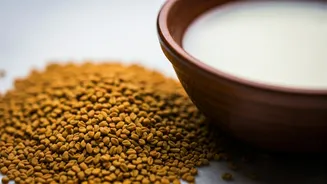
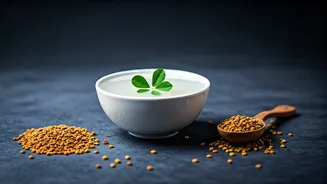
Combining rice water and fenugreek creates a synergistic treatment that tackles multiple hair concerns at once. The protein from fenugreek and the vitamins from rice water offer a complete nutritional boost for your hair. To create a combined treatment, you can soak fenugreek seeds in your fermenting rice water. Another popular method is to prepare the fenugreek paste as described above and then mix it with rice water to create a mask with a thinner, more applicable consistency. This duo works to strengthen hair, reduce breakage, condition the strands, and promote a healthy scalp environment conducive to growth.