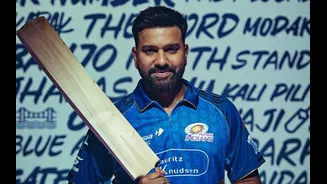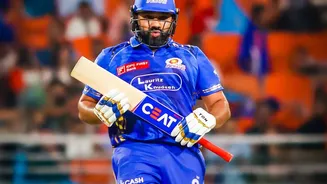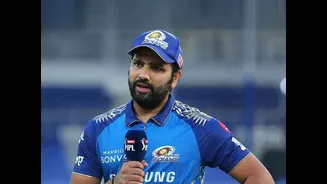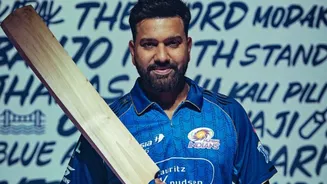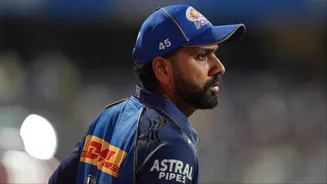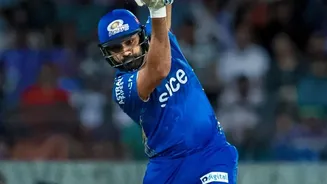

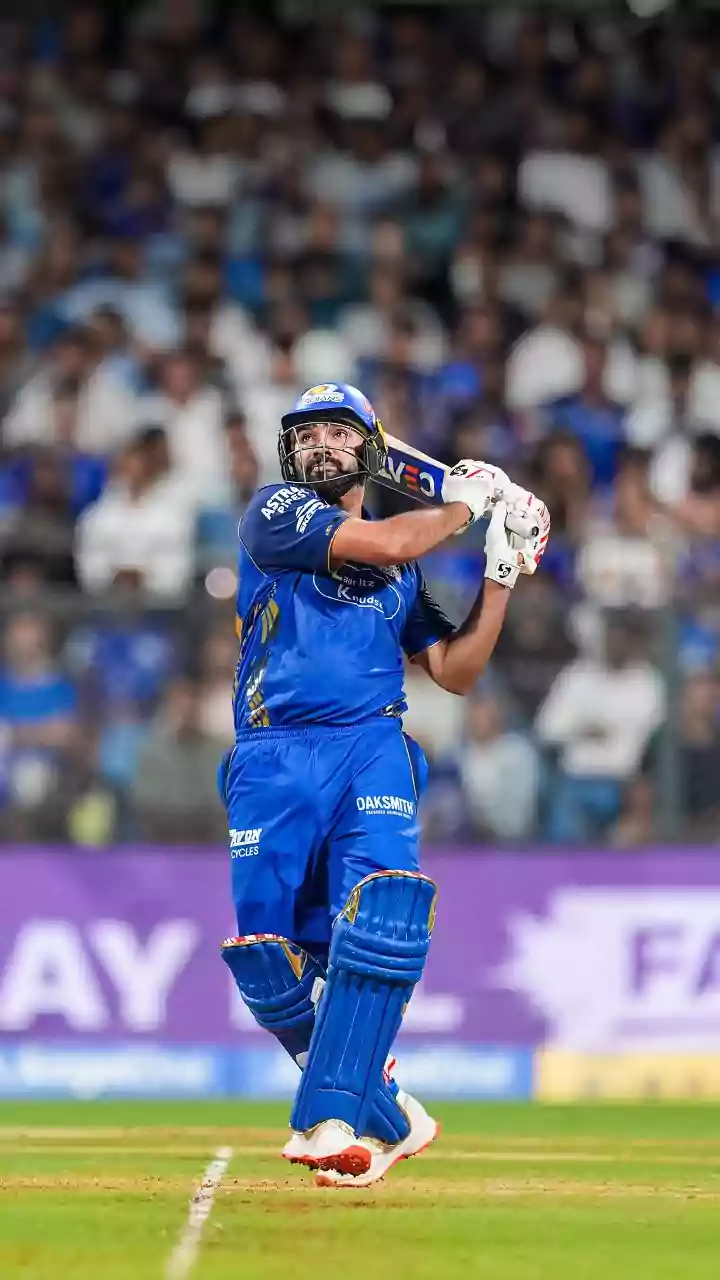
Mumbai Indians have turned back to their most successful leader, Rohit Sharma, for IPL 2027. While the decision feels like a nostalgic masterstroke, a closer look reveals potential pitfalls for the five-time champions.
The Challenge of Advancing Age
By the time IPL 2027 commences, Rohit
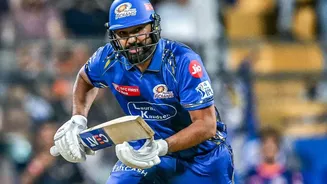
Sharma will be turning 40. In the high-intensity, physically demanding world of T20 cricket, age is more than just a number. While he has shown a renewed focus on fitness after stepping back from some international formats, the relentless pace of the IPL can expose even the slightest decline in reflexes and stamina. Recent seasons have already seen hints of this, with occasional hamstring issues raising concerns. For a captain to lead effectively, personal form is crucial. If the skipper is struggling to consistently deliver with the bat, it not only puts pressure on the rest of the lineup but can also undermine their authority in the dressing room. A captain who isn't a secure starter becomes a tactical liability. While Rohit began the 2026 season in fine form, the risk of his batting prowess waning and his susceptibility to injury will be significantly higher in 2027, potentially making him a point of weakness rather than strength.
A Predictable Tactical Approach?
Rohit Sharma's captaincy is built on a foundation of success, with a calm demeanour and astute man-management leading MI to five titles between 2013 and 2020. His formula—backing players, maintaining a stable core, and making shrewd, instinctive decisions—is well-documented and highly effective. However, the T20 landscape is in a constant state of flux. New rules, advanced data analytics, and ever-evolving strategies mean that what worked yesterday isn't guaranteed to work tomorrow. There have been criticisms in the past, particularly in international cricket, of Rohit’s tactics being occasionally defensive or reactive. The risk for MI in 2027 is that Rohit’s established style could become predictable. Opposing teams have years of data on his captaincy patterns, from his preferred bowling changes to his field placings in the death overs. In a league where every small advantage is sought, a return to a familiar playbook might lack the element of surprise needed to outsmart the new generation of T20 strategists.
Stifling the Next Generation of Leaders
Reinstating Rohit Sharma as captain was a decision made after Mumbai's struggles under Hardik Pandya, who was traded to Punjab Kings. While intended to bring back stability, this move could inadvertently create a leadership vacuum in the long run. Great franchises build dynasties not just by winning titles, but by ensuring smooth transitions of power. By turning back to the past, MI may be delaying the inevitable and missing a crucial window to groom a future captain. The team has several potential candidates in its ranks. Suryakumar Yadav, who has led India and served as vice-captain, is a strong option. Youngster Tilak Varma is also seen as a long-term prospect. Giving the captaincy back to a 39-year-old, even one of Rohit’s stature, can be seen as a short-term fix that papers over the cracks. The 2027 season, potentially leading into a mega-auction cycle, would be an ideal time to empower a new leader and build the next championship-winning core around them. Holding onto the past for too long risks a jarring and difficult transition when Rohit eventually decides to hang up his boots.