

A Note on Monsoon Plant Care
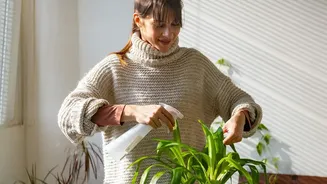
Before we dive into the list, a crucial tip for the rainy season: the biggest danger to indoor plants is not neglect, but overwatering. With high humidity in the air, soil takes much longer to dry out. Always check the top inch or two of soil with your
finger; if it’s still damp, wait a few more days before watering. Good drainage is non-negotiable to prevent root rot, which is common during this season. Using pots with drainage holes and ensuring they aren't blocked is the simplest way to keep your plants healthy. Now, let's meet the low-maintenance monsoon champions.
1. Snake Plant (Dracaena trifasciata)
Often called the ‘un-killable’ plant, the Snake Plant is a perfect choice for beginners and busy individuals. It is famous for its resilience and ability to survive in almost any condition. While it prefers dry soil, it tolerates the high humidity of the monsoon well. In fact, its thick, sword-like leaves store water, making it extremely drought-tolerant and forgiving if you forget to water it. During the humid monsoon months, you'll need to water it even less frequently. It also adapts well to low-light conditions, which is a significant advantage during overcast, rainy days. Just ensure it's in a well-draining pot to avoid any risk of rot.
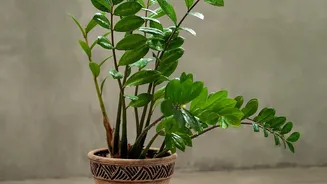
2. ZZ Plant (Zamioculcas zamiifolia)
The ZZ Plant is the epitome of a low-maintenance plant, making it nearly indestructible for even the most forgetful plant parent. Its wide, waxy, dark green leaves look stunning and are excellent at retaining water, which means it can go for weeks without a drink. This is a huge plus during the monsoon when overwatering is a constant threat. Like the snake plant, the ZZ Plant is not fussy about light and can thrive in low-light corners of your home. It's a slow grower, so it won't demand frequent repotting or pruning. Simply pot it, place it, and enjoy its beauty.
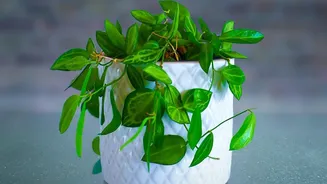
3. Money Plant (Epipremnum aureum)
A staple in many Indian homes, the Money Plant, or Pothos, is incredibly easy to grow and adapts beautifully to the monsoon. It grows rapidly during the rainy season, with its trailing vines becoming denser and more lush thanks to the warmth and humidity. It thrives in bright, indirect light but can also tolerate lower light levels. Money Plants are quite communicative; their leaves will droop slightly when thirsty, taking the guesswork out of watering. However, always do the finger-check for soil dryness first, as high humidity means it needs less water than in summer.
4. Spider Plant (Chlorophytum comosum)
The Spider Plant is another excellent choice that is both easy to care for and visually interesting. Its arching leaves, often with a white stripe, look fantastic in hanging baskets. These plants produce 'spiderettes' or baby plantlets, which can be easily propagated. Spider Plants tolerate a bit more moisture than snake plants, but good drainage is still important. They enjoy the high humidity of the monsoon and can handle the lower light conditions of the season, continuing to produce new leaves and offshoots.
5. Peace Lily (Spathiphyllum)
If you want a plant that not only survives but actively thrives in monsoon humidity, look no further than the Peace Lily. These plants love moisture in the air, which helps keep their elegant green leaves healthy and encourages their beautiful white blooms. They are also well-adapted to low-light spaces, making them ideal for brightening up a room on a cloudy day. A key benefit is that a Peace Lily's leaves will droop dramatically when it needs water, providing a clear visual cue and preventing you from overwatering.
6. Aglaonema (Chinese Evergreen)
Aglaonemas, or Chinese Evergreens, are prized for their stunning, often variegated, leaves and their easy-going nature. They thrive in the high humidity that the monsoon brings. These plants are well-suited for low to medium indirect light, which is plentiful during the rainy season. The most critical part of their care, especially during monsoon, is managing water intake. You must let the soil dry out between waterings to prevent root rot, which they can be susceptible to if left in soggy soil. With proper watering, they are a wonderfully resilient and decorative addition.