


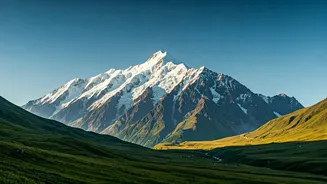


The Magic of the Rain Shadow
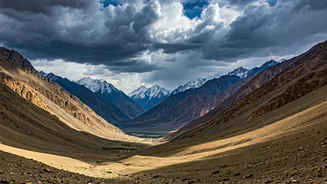
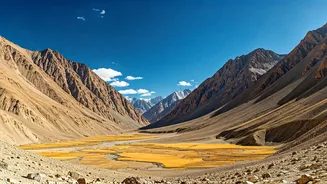
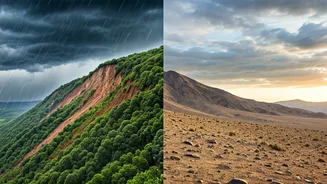
Spiti's unique climate is its biggest monsoon draw. The valley is located in a rain-shadow region, meaning the towering Great Himalayan ranges to its south block the moisture-laden monsoon clouds from entering. While popular hill stations deal with heavy
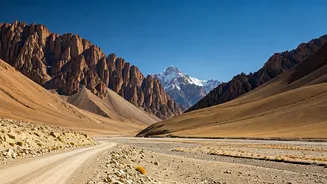
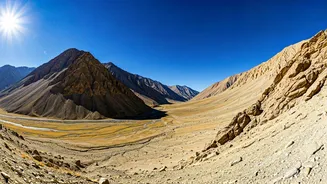
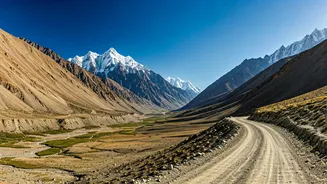
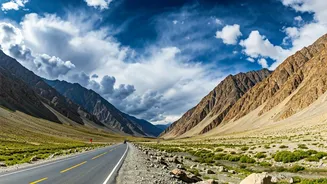
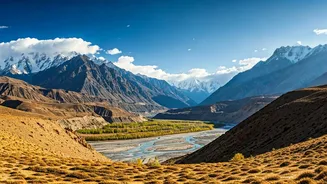
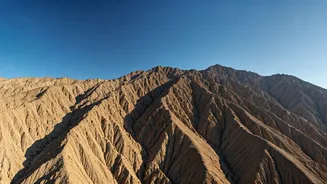
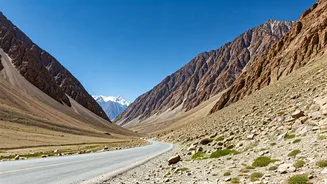
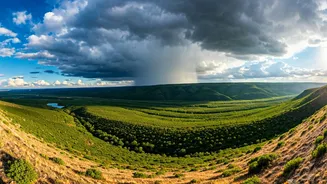
showers, Spiti enjoys clear blue skies and minimal rainfall, making it an ideal destination for travel and exploration between July and September. This geographical advantage allows for uninterrupted sightseeing, trekking, and road-tripping when other mountain areas are prone to closures. The landscape, a stark canvas of barren mountains, takes on a unique contrast during this time, with irrigated patches around villages appearing exceptionally green.
Choosing Your Route: Shimla vs. Manali
There are two primary roads to Spiti: one via Shimla and the other via Manali. During the monsoon, the Shimla-Kaza highway is widely considered the more reliable option. This route, which travels through the Kinnaur valley, offers a gradual ascent, helping your body acclimatise to the high altitude. While the journey is longer (around two days to Kaza), the roads are generally better, though landslides can cause temporary delays in the Kinnaur region. The Manali-Kaza route is shorter and more dramatic, crossing the high-altitude Kunzum Pass (4,551m). However, this route is more unpredictable during monsoon, with risks of landslides on the approach and swelling water crossings. For a safer and more predictable journey, entering via Shimla is the recommended choice.
Must-Visit Places in Monsoon
Spiti is dotted with ancient monasteries, high-altitude villages, and surreal landscapes. Kaza, the main administrative town, serves as the perfect base. From here, you can explore the iconic Key Monastery, perched dramatically on a hilltop and offering panoramic views. A short drive takes you to the circuit of Langza, Hikkim, and Komic. Langza is known for its giant Buddha statue and fossil-rich grounds; Hikkim boasts the world's highest post office, where you can mail a postcard; and Komic is one of the highest motorable villages. Other unmissable sights include the Tabo Monastery, a UNESCO World Heritage site known as the 'Ajanta of the Himalayas', and the cliff-side Dhankar Monastery. If road conditions permit, a visit to the stunning Chandratal Lake, the 'Moon Lake', is an unforgettable experience.
Acclimatisation and Essential Tips
At an average altitude of over 3,800 meters, acclimatisation is crucial to prevent Acute Mountain Sickness (AMS). The golden rule is to ascend slowly. Spend your first day in a new high-altitude location like Kaza or Tabo with minimal physical activity. Staying hydrated by drinking 3-4 litres of water daily is essential. Eat light, carbohydrate-rich meals and avoid alcohol, which can worsen AMS symptoms. Indian nationals do not require a permit for most parts of Spiti Valley but must carry a valid government-issued photo ID for registration at checkpoints. While the valley itself is dry, pack layers of warm clothing as night temperatures can drop significantly, and include a light rain jacket for the journey to and from Spiti.