
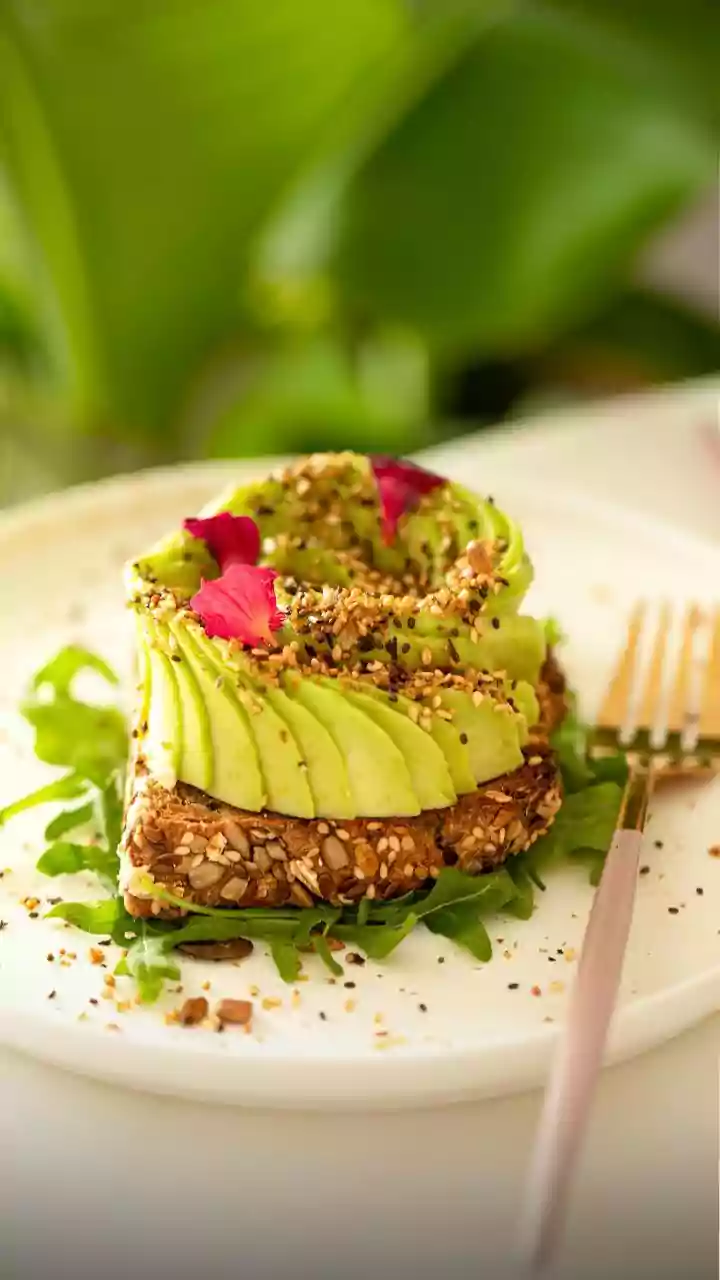






So, What Is 'Soft Living'?
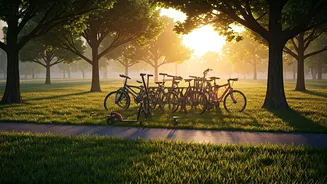
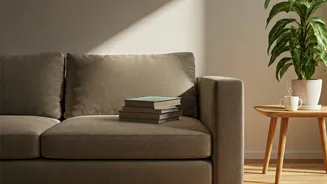
If you’ve scrolled through Instagram or TikTok recently, you might have seen glimpses of it: sun-drenched mornings, a lovingly prepared cup of chai, a quiet moment with a book, or a walk without a destination. This is the aesthetic of 'soft living,' a lifestyle
trend that champions ease over stress and peace over productivity. At its core, soft living is the conscious decision to opt out of the glorification of being busy. It’s about creating a life with less resistance, where your well-being, comfort, and mental peace are the primary goals, rather than external markers of success like a high-pressure job or a packed social calendar. It’s not about laziness; it’s about intentionality. Instead of hustling 24/7, you’re choosing to live a more curated, gentle, and enjoyable life on your own terms.
The Backlash Against Hustle Culture
The rise of soft living isn't happening in a vacuum. It’s a direct response to the 'hustle culture' that dominated the last decade. The 'sleep when you’re dead' mentality, the constant pressure to monetize hobbies, and the expectation to be always 'on' has led to widespread burnout, especially among millennials and Gen Z. In India, where societal and family expectations often add another layer of pressure to succeed in high-stakes careers, the appeal is particularly strong. The pandemic served as a major catalyst, forcing many to re-evaluate their priorities. People realised that a high-paying but soul-crushing job wasn’t worth sacrificing their mental and physical health. Soft living is the antidote; it’s a quiet revolution that says it’s okay to slow down, to rest without guilt, and to define success for yourself.
The Pillars of a Softer Life
Adopting a softer life doesn't require a dramatic overhaul. It's built on small, consistent choices. One major pillar is setting firm boundaries, especially at work. This means logging off on time, saying 'no' to extra tasks when your plate is full, and protecting your weekends for rest and rejuvenation. Another key aspect is 'romanticizing your life.' This doesn't mean living in a fantasy; it means finding joy and beauty in everyday routines. It’s about taking the time to savour your morning coffee, lighting a candle while you read, or playing your favourite music while you cook dinner. It’s about treating yourself with the same care you would a loved one. Other pillars include prioritising low-stress activities, spending time in nature, nurturing relationships that uplift you, and being mindful of your digital consumption.
Is It Only for the Privileged?
A common criticism of the soft living trend is that it seems accessible only to those with financial security and flexible jobs. After all, not everyone can afford to quit their job or work fewer hours. While it’s true that having a safety net makes it easier, framing soft living as an all-or-nothing escape is a misunderstanding of the concept. The philosophy can be adapted to any circumstance. It’s more about a mindset shift than a specific set of material conditions. You don’t need an expensive vacation to find peace; you can find it in a 10-minute meditation, a phone call with a friend, or enjoying a home-cooked meal without distractions. The essence of soft living is finding pockets of ease and joy within your current reality, not waiting for a perfect, stress-free future that may never arrive.
Bringing Soft Living into Your Life
You can start small. Instead of grabbing your phone the moment you wake up, take five minutes to just stretch and breathe. Carve out a 'do-nothing' hour in your week where there’s no agenda. Reclaim your lunch break—step away from your desk, even if it's just to sit by a window. In an Indian context, this could mean reconnecting with simple cultural pleasures: a leisurely evening stroll in your neighbourhood park, perfecting your family’s chai recipe, or simply sitting in the balcony and listening to the sounds of the city. It's about consciously choosing to declutter your schedule and your mind, making space for what truly nourishes your soul, not just your resume.