



Why You Can't See The Stars
The culprit is light pollution. Artificial light from streetlights, buildings, and advertisements creates a phenomenon called 'skyglow', a bright haze that blankets urban areas. This glow dramatically reduces the visibility of celestial objects, making
it impossible for our eyes to see fainter stars, nebulae, and even the magnificent Milky Way galaxy. More than 80% of the world's population lives under such light-polluted skies. To truly experience the awe of a star-filled night, you must escape the cities and journey to places where darkness still reigns.
Hanle, Ladakh: India's Official Dark Sky Sanctuary
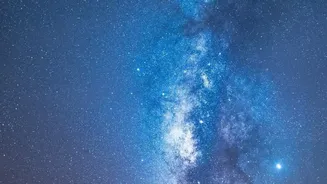
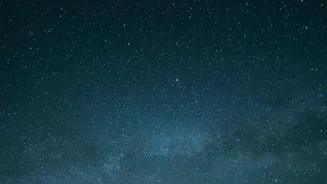
Tucked away in the Changthang region, Hanle is the undisputed champion of stargazing in India. It is home to the country's first and only officially designated Dark Sky Reserve, a region protected specifically to preserve the natural darkness. Situated at a breathtaking altitude of over 14,000 feet, the dry, thin air and near-zero light pollution provide some of the clearest and darkest skies on the planet. Here, the Milky Way is so bright it can cast a faint shadow. Local villagers have been trained as 'Astronomy Ambassadors' to guide visitors, making it a unique astro-tourism destination.
Spiti Valley, Himachal Pradesh: A High-Altitude Desert of Stars
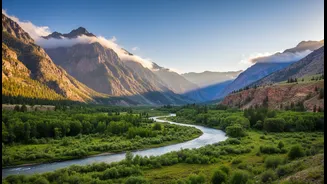
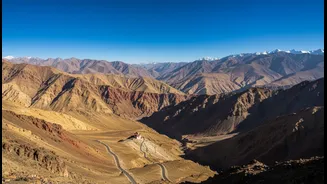
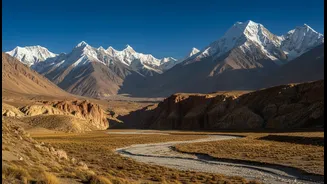
Often called a 'cold desert', Spiti Valley is another premier destination for celestial observation. Its high altitude, remote location, and dry climate guarantee over 250 clear nights a year, making it a paradise for astronomers and photographers. Villages like Langza, Komic, and Kibber offer spectacular, unobstructed views of the cosmos. The valley's minimal light pollution allows for naked-eye sightings of the Milky Way, meteor showers, and countless constellations that feel sharp and vivid against the deep silence of the Himalayas. Recent initiatives have even established community-run stargazing facilities to enhance the experience.
Rann of Kutch, Gujarat: Stargazing Over a Sea of Salt
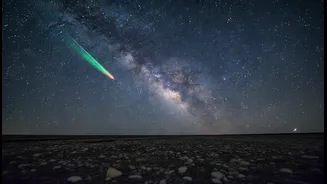
The vast, flat expanse of the Great Rann of Kutch offers a different but equally dramatic stargazing experience. This massive salt marsh, far from major urban centers, provides an uninterrupted 360-degree view of the horizon. During the clear winter months, especially on moonless nights, the contrast between the white desert floor and the pitch-black sky is stunning. You can see an incredible number of stars with the naked eye, stretching from one end of the horizon to the other, creating an almost surreal, cinematic feel.
Coorg, Karnataka: Celestial Views from the Coffee Plantations
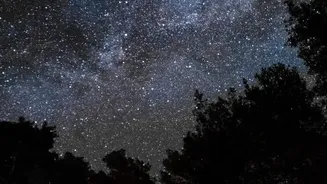
You don't always have to go to extreme altitudes or deserts for a great view. The hills of Coorg in the Western Ghats offer wonderful pockets of darkness perfect for a more relaxed stargazing trip. Away from the main towns, the region's coffee plantations provide a lush, green canopy and skies clear enough to reveal the Milky Way on moonless nights between October and May. Choosing a homestay in a more remote village can lead to a tranquil experience, watching the stars appear over the misty hills after sunset.
Tips for Your Stargazing Adventure
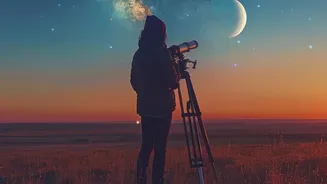
To make the most of your trip, plan around the new moon, as a bright moon can wash out the stars. Allow your eyes at least 20-30 minutes to adjust to the darkness, and avoid looking at your phone screen. Use a red-light torch instead of a white one to preserve your night vision. Apps can help you identify constellations and planets. Most importantly, pack warm clothing, as even in deserts, nights can get surprisingly cold. And finally, be patient—the universe will put on a show.