






From Nuisance to Resource
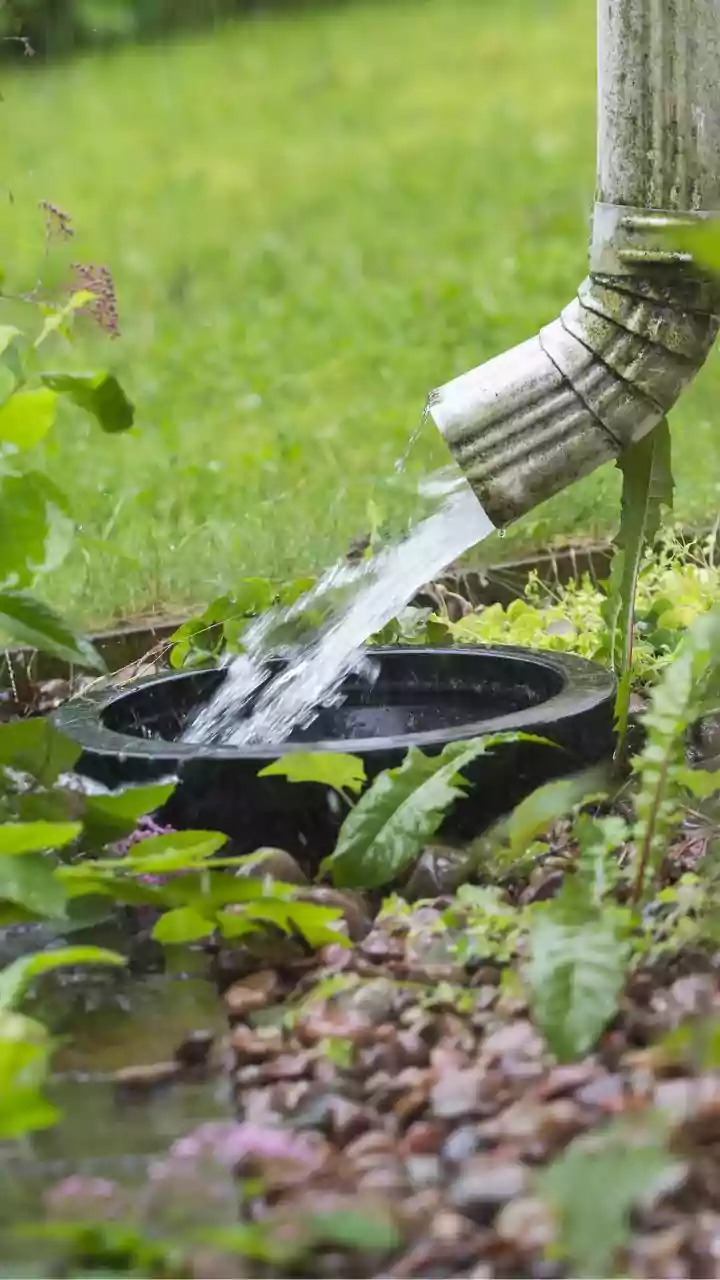
Every year, heavy monsoon rains lead to overflowing drains and flooded streets in many parts of India. But what if that water could be captured and put to good use? Rainwater harvesting is the simple practice of collecting and storing rainwater from surfaces
like rooftops for later use. This age-old technique provides a sustainable solution to modern water woes. Collecting monsoon runoff reduces your household's dependency on municipal water or groundwater, which can lower water bills. It also helps ease the burden on city drainage systems, mitigating local flooding, and contributes to replenishing depleted groundwater levels.
The Heart of the System: Filters
A rainwater harvesting system is more than just a tank. Its effectiveness and safety hinge on its components, especially the filters. The primary job of a filter is to remove physical impurities before the water enters your storage tank. This includes leaves, twigs, dust, and other debris that wash off your rooftop. Without effective filtration, this organic matter would accumulate in your tank, forming a sludge that could become a breeding ground for bacteria. Common types of filters include simple mesh screens over gutters and downpipes, sand filters, and more advanced self-cleaning units that operate on gravitational force.
The Guardian of Quality: Covers
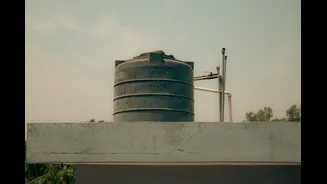
If filters are the heart of the system, the tank cover is its guardian. A secure, well-fitted cover is non-negotiable for any rainwater storage tank. Its most critical function is to prevent contamination. An open or ill-fitting cover allows insects, particularly mosquitoes, to breed in the stored water. It also exposes the water to bird droppings, animal access, and further debris, all of which can introduce harmful bacteria and pathogens like E. coli. Furthermore, a sturdy cover prevents sunlight from entering the tank, which inhibits algae growth and also reduces water loss through evaporation.
A Simple Maintenance Checklist
The phrase "useful when maintained" is key. A neglected system can be worse than no system at all. Fortunately, maintenance is straightforward. Before the monsoon, inspect the entire system. Clean your rooftop and gutters of all accumulated debris. Check that all filters and screens are clean and intact, and wash or replace them as needed. Ensure the tank is clean and the cover is secure with no cracks or gaps. During the monsoon, regularly check gutter screens for leaf litter and clean the first-flush diverter after heavy showers. After the season, it's a good practice to clean the tank again before it's left to sit for the dry period.
Putting Your Harvested Water to Use
The quality of your collected water determines its use. Even with good filters, water collected from rooftops is best suited for non-potable purposes without further treatment. This includes watering your garden, washing cars, flushing toilets, and cleaning floors. This alone can significantly reduce your reliance on treated municipal water. If you intend to use the water for drinking, cooking, or bathing, a more advanced purification process is essential. This would typically involve further filtration, such as through a reverse osmosis (RO) system, and disinfection to eliminate any remaining microbial contaminants.